
Kohlrabi Guides Guide Part 6
Introduction
Kohlrabi, a unique cruciferous vegetable, has captured the attention of chefs, nutritionists, and food enthusiasts alike. With its distinctive appearance, a combination of turnip and cabbage in flavor and texture, kohlrabi offers a versatile ingredient that can elevate various culinary applications. This article serves as a comprehensive guide, delving into the essential aspects of kohlrabi, from its history and origins to its storage and common misconceptions.
What Is Kohlrabi?
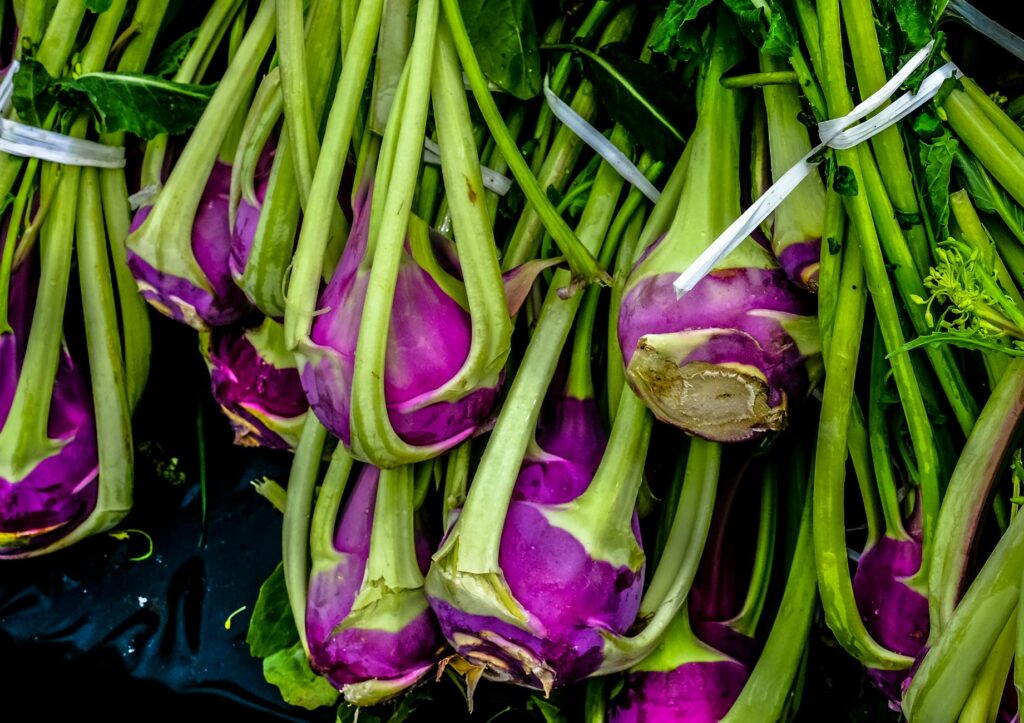
Kohlrabi, scientifically known as Brassica oleracea var. gongylodes, belongs to the family Brassicaceae, which includes other familiar vegetables such as cabbage, broccoli, and kale. The name “kohlrabi” is derived from the German words “kohl,” meaning cabbage, and “rübe,” meaning turnip. This vegetable is characterized by its bulbous stem that grows above ground, which can be green or purple in color, and its leafy greens that extend from the bulb.
The taste of kohlrabi is mildly sweet, with a crunchy texture that resembles that of a radish or turnip. Its versatility allows it to be consumed raw in salads, cooked in soups, or roasted as a side dish.
History and Origins
Kohlrabi has a rich history that dates back to ancient times. Its origins trace back to Europe, where it was cultivated as early as the 16th century. It is believed to have been developed from wild cabbage in the Mediterranean region.
The vegetable gained popularity in Germany and other parts of Europe, where it became a staple in various cuisines. Over the centuries, it has spread across the globe, adapted to different climates, and incorporated into diverse culinary traditions. Today, kohlrabi is cultivated in many regions, including North America, Asia, and Australia, where it is appreciated for its unique flavor and nutritional benefits.
Production and Processing
Kohlrabi is typically grown in cool-weather conditions, making it a popular crop in spring and fall. It thrives in well-drained, fertile soil with full sun exposure. The cultivation process involves sowing seeds directly into the soil or starting them indoors and transplanting them later.
Once planted, kohlrabi requires consistent watering and care to prevent pests and diseases, such as aphids and downy mildew. Harvesting usually occurs when the bulbs reach a diameter of 3 to 5 inches, as they can become tough and woody if left too long.
After harvesting, kohlrabi undergoes a processing phase where it is cleaned, sorted, and packaged for distribution. This ensures that consumers receive a fresh and high-quality product.
Quality and Grading
Quality is crucial when it comes to kohlrabi. Fresh kohlrabi should have a firm texture, vibrant color, and crisp leaves. When grading kohlrabi, several factors are considered:
1. Size: Ideal bulbs are typically between 3 to 4 inches in diameter.
2. Shape: Uniformity in shape indicates better quality.
3. Color: A consistent hue, whether green or purple, signifies freshness.
4. Surface: The skin should be smooth without blemishes or soft spots.
5. Leaves: Fresh leaves should be bright green, crisp, and free from wilting.
Proper grading helps ensure that consumers receive kohlrabi that meets their expectations in terms of taste and texture.
Buying Considerations
When purchasing kohlrabi, keep the following considerations in mind to select the best quality:
- Appearance: Choose kohlrabi that feels heavy for its size and has a smooth exterior. Avoid those with signs of softness, blemishes, or cracks.
- Leaves: Fresh leaves can indicate the vegetable’s freshness. Look for vibrant, unblemished greens.
- Seasonality: Buying kohlrabi in season (spring and fall) can ensure better flavor and quality.
- Origin: Understand where the kohlrabi is sourced from. Locally grown options are often fresher and may have better taste.
- Raw: Often enjoyed raw, kohlrabi can be sliced or julienned for salads, providing a refreshing crunch.
- Cooked: It can be steamed, boiled, or roasted, serving as an excellent side dish or incorporated into stir-fries.
- Soups and Stews: Kohlrabi can be added to soups for added texture and flavor.
- Fermentation: The vegetable is also suitable for pickling and fermentation, a process that can enhance its flavor profile.
- Refrigeration: Store kohlrabi in the vegetable crisper drawer of the refrigerator. It is best kept unwashed until ready to use.
- Humidity: Keeping kohlrabi in a humidity-controlled environment can help retain its crispness.
- Shelf life: Fresh kohlrabi can last up to two weeks when stored correctly. However, once cut, it should be consumed within a few days to maintain its flavor and texture.
Purchasing kohlrabi from reputable sources, such as farmers’ markets or organic grocers, can also enhance the quality of the ingredient.
Uses and Applications
Kohlrabi is a remarkably versatile ingredient in the culinary world. Its crisp texture and mild sweetness make it suitable for a variety of dishes:
Beyond its culinary applications, kohlrabi’s leaves can be utilized similarly to other leafy greens, such as kale or chard, contributing to the dish’s nutritional value.
Storage and Shelf Life
Proper storage is essential for maintaining the quality of kohlrabi. Here are some guidelines:
For long-term storage, kohlrabi can be blanched and frozen, although