
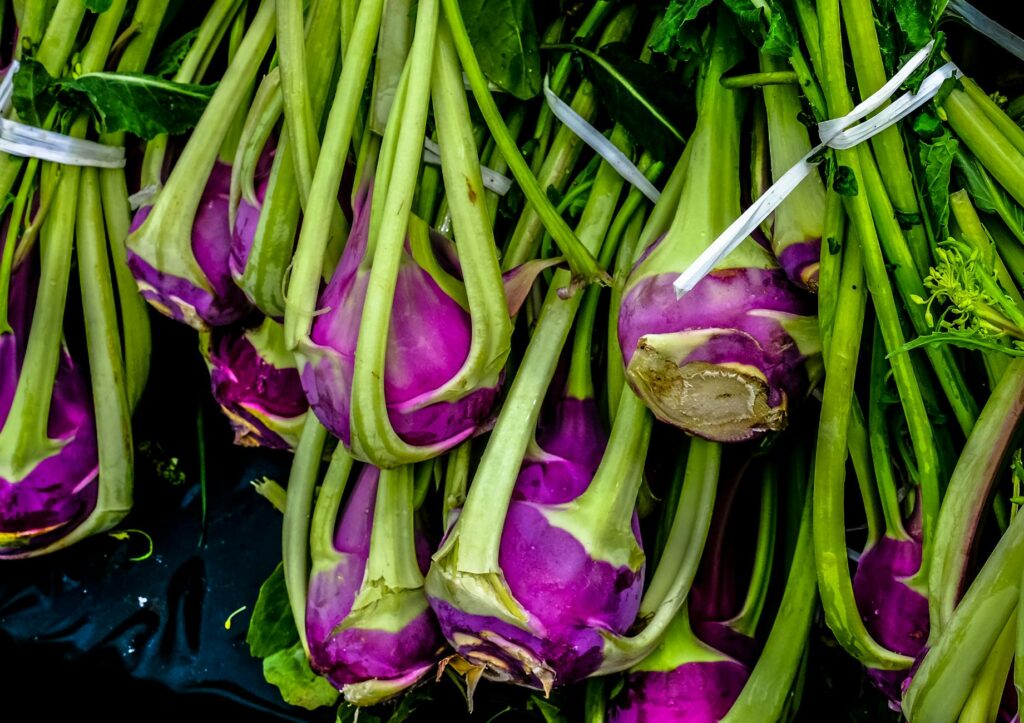
Kohlrabi Myths and Misconceptions
Introduction
Kohlrabi, often overlooked in the realm of popular vegetables, is a cruciferous gem that boasts a unique flavor and texture. While many have heard of this unusual vegetable, misconceptions abound regarding its characteristics, uses, and preparation. This article aims to unravel the myths surrounding kohlrabi, offering an authoritative guide for culinary enthusiasts and home cooks alike.
What Is Kohlrabi?
Kohlrabi (Brassica oleracea var. gongylodes) is a biennial vegetable belonging to the cabbage family, which also includes broccoli, kale, and Brussels sprouts. Recognized for its bulbous stem that grows above ground, kohlrabi is typically green or purple, with a crisp, juicy texture reminiscent of both turnips and cabbage. The edible parts include the bulb and the leaves, both of which offer distinct flavors and culinary applications.
History and Origins
Kohlrabi has a rich history that dates back to the Mediterranean region and has been cultivated for centuries. Its origins can be traced to the Roman Empire, where it was valued not only for its nutritional benefits but also for its adaptability to various climates. Over time, kohlrabi spread across Europe and eventually made its way to North America. Today, it is grown in various regions worldwide, particularly in temperate climates, where it thrives during the cooler months.
Production and Processing
The cultivation of kohlrabi requires specific conditions to flourish. It prefers well-drained, fertile soil and is typically sown in the spring or late summer for a fall harvest. Once harvested, kohlrabi can be processed in various ways, including peeling, slicing, or shredding, depending on its intended use. Its versatility allows it to be enjoyed raw, pickled, or cooked, making it a valuable addition to culinary applications.
Quality and Grading
When selecting kohlrabi, certain quality indicators can help determine freshness and flavor. High-quality kohlrabi should have a firm texture, vibrant color, and smooth skin. Avoid specimens with blemishes, soft spots, or signs of wilting. Grading standards may vary by region, but generally, kohlrabi is categorized based on size, appearance, and overall quality. Smaller bulbs are often more tender and flavorful, making them a preferred choice among chefs and home cooks.
Buying Considerations
When purchasing kohlrabi, consider the following factors:
1. Seasonality: Kohlrabi is typically at its peak during the cooler months, making autumn and early winter the best times to buy.
2. Local vs. Imported: Local produce tends to be fresher and more flavorful. Check farmers’ markets or local grocers for the best selection.
3. Size: Choose bulbs that are medium-sized for optimal taste and texture; larger kohlrabi can become woody.
4. Leaves: Fresh, green leaves attached to the bulb indicate freshness. Wilted or yellowing leaves suggest the vegetable is past its prime.
Uses and Applications
Kohlrabi’s culinary versatility makes it suitable for various applications. It can be eaten raw in salads, where its crunch adds texture, or grated into slaws. When cooked, kohlrabi can be steamed, roasted, or sautéed, allowing its natural sweetness to develop. Additionally, its leaves are edible and can be used similarly to other leafy greens, such as kale or spinach.
Storage and Shelf Life
Proper storage is essential for maintaining the freshness of kohlrabi. It should be kept in a cool, dark place, ideally in the refrigerator’s vegetable drawer, where it can remain fresh for up to two weeks. If the leaves are attached, it is advisable to remove them to prevent moisture loss and prolong shelf life. Kohlrabi can also be blanched and frozen for longer-term storage, although this may alter its texture.
Common Misconceptions
Despite its growing popularity, kohlrabi is often subject to several myths and misconceptions:
Myth 1: Kohlrabi is a Root Vegetable
Contrary to popular belief, kohlrabi is not a root vegetable; it is a stem vegetable. The bulbous part of kohlrabi is actually an enlarged stem that grows above ground, distinguishing it from true root vegetables like carrots or beets.
Myth 2: Kohlrabi is Only Edible Raw
While kohlrabi is indeed delicious when eaten raw, its culinary potential extends far beyond that. Cooking methods such as roasting, steaming, or sautéing can enhance its flavor profile, bringing out its natural sweetness and adding depth to various dishes.
Myth 3: The Leaves Are Inedible
Many people discard kohlrabi leaves, assuming they are tough and unpalatable. In reality, the leaves are highly nutritious and can be prepared in various ways, including sautéing or adding to soups and stews.
Myth 4: Kohlrabi Has a Strong Cabbage Flavor
While kohlrabi is related to cabbage, its flavor is milder and sweeter. The taste can vary depending on the growing conditions, but it is generally described as crisp and refreshing rather than pungent.
Myth 5: Kohlrabi is Hard to Prepare
Some believe that kohlrabi requires complex preparation methods. In truth, it is quite simple to prepare. A quick peel and slice or julienne is often all that is needed to make it ready for various culinary applications.
Myth 6: Kohlrabi is Only for Health Nuts
Kohlrabi’s health benefits often lead to the misconception that it is only suitable for health-focused diets. In reality, its versatility allows it to be incorporated into a wide range of cuisines, appealing to all types of eaters.
Frequently Asked Questions
###