
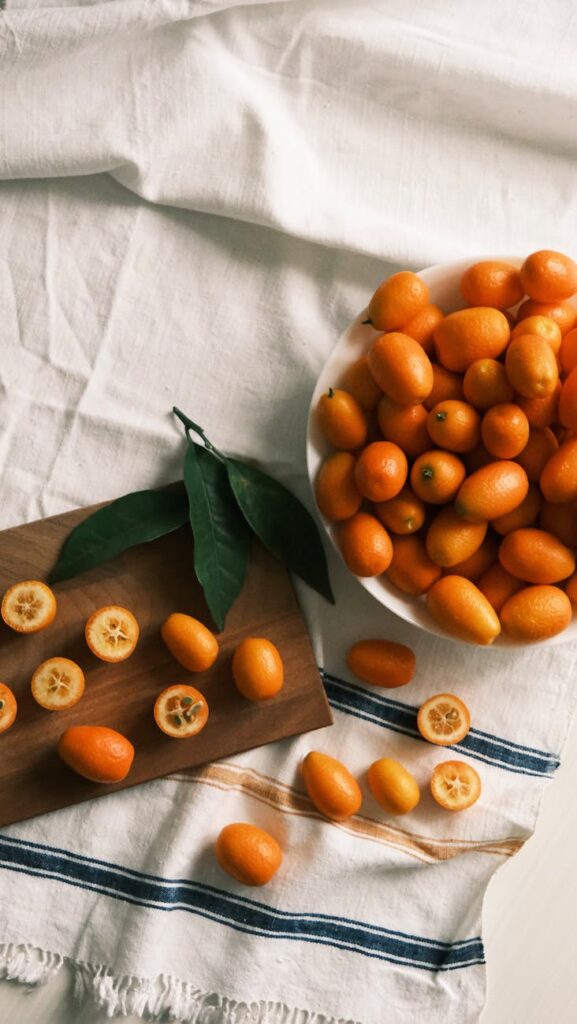
Kumquat Growing Guide Part 7
Introduction
Kumquats (Fortunella spp.) are unique citrus fruits known for their sweet edible skin and tart flesh. Native to Asia, they have gained popularity worldwide for their distinct flavor, versatility, and ornamental appeal. This guide aims to provide comprehensive insights into the essential aspects of growing kumquats, from their historical origins to practical growing techniques and post-harvest considerations.
What Is Growing?
Growing refers to the process of cultivating plants, encompassing all stages from seed germination to mature fruit production. In the context of kumquats, growing involves understanding their specific requirements for soil, climate, watering, pruning, and pest management. Successful cultivation not only ensures a bountiful harvest but also enhances the fruit’s quality and flavor.
History and Origins
Kumquats have a rich history that dates back to ancient China, where they were cultivated for over 1,000 years. The name “kumquat” is derived from the Cantonese word “gam gwat,” meaning “golden tangerine.” They were introduced to Europe in the 19th century and subsequently made their way to the United States. Today, kumquats are grown in various temperate regions, with California and Florida being the primary producers in the U.S. Their unique attributes have also led to the development of various cultivars, including the Nagami and Meiwa, each offering slightly different flavors and characteristics.
Production and Processing
Planting and Cultivation
Kumquats thrive in well-drained, sandy loam soils enriched with organic matter. They prefer a slightly acidic to neutral pH (6.0 to 7.0) for optimal growth.
1. Site Selection: Choose a location that receives full sun for at least 6-8 hours daily. Kumquats can tolerate partial shade but will not produce as abundantly.
2. Planting: When planting kumquats, ensure adequate spacing (approximately 8-10 feet apart) to allow for air circulation and growth. Dig a hole twice the width of the root ball and mix some compost into the backfill soil to enhance nutrient availability.
3. Watering: Kumquats require regular watering, particularly during hot, dry spells. Establish a deep watering routine that encourages deep root growth. However, avoid waterlogging, as kumquats are susceptible to root rot.
4. Fertilization: A balanced fertilizer, such as a 10-10-10 NPK formula, can be applied in the spring and mid-summer to promote healthy growth. Organic options like compost or fish emulsion are also beneficial.
Pruning and Maintenance
Regular pruning is crucial for maintaining the shape of the kumquat tree and encouraging air circulation. Remove any dead or diseased branches, and thin out crowded areas to promote light penetration. The best time to prune is late winter or early spring before new growth starts.
Pest and Disease Management
Kumquats can be susceptible to pests like aphids, scale insects, and spider mites. Regular monitoring and the use of appropriate organic pesticides can help manage these issues. Diseases such as citrus greening and root rot can also pose significant threats, emphasizing the importance of proper cultural practices and soil management.
Quality and Grading
The quality of kumquats can vary based on several factors, including fruit size, color, firmness, and sugar content. When grading kumquats, consider the following criteria:
1. Size: Uniformity in size is important for marketability.
2. Color: Ripe kumquats should exhibit a vibrant orange hue, indicating maturity and flavor.
3. Firmness: Fruits should feel firm to the touch without any signs of softness or bruising.
4. Flavor: Tasting is the ultimate test for quality. A well-grown kumquat should balance sweetness and tartness.
Grading standards can vary by region, but generally, higher-quality fruits are preferred in commercial markets.
Buying Considerations
When purchasing kumquats, whether for home use or commercial purposes, consider the following:
1. Seasonality: Kumquat season typically runs from late fall to early spring. Buying during this time ensures fresher, more flavorful fruit.
2. Source: Look for reputable growers or markets that specialize in citrus fruits to ensure quality and freshness.
3. Appearance: Select kumquats that are free from blemishes, soft spots, or discoloration. The skin should be smooth and shiny.
4. Storage Options: Understand how to store kumquats properly to maintain their freshness, as discussed in the next section.
Uses and Applications
Kumquats are incredibly versatile and can be utilized in various culinary applications. Their unique flavor lends itself well to both sweet and savory dishes. They can be enjoyed fresh, candied, or incorporated into salads, sauces, and beverages. Additionally, kumquats can be used to make marmalades, jams, and syrups, offering an interesting twist to traditional recipes.
Beyond culinary uses, kumquats are also favored for their ornamental properties. Their evergreen foliage and bright fruits make them attractive additions to gardens and landscapes.
Storage and Shelf Life
Proper storage is essential for maximizing the shelf life of kumquats. When kept in ideal conditions, kumquats can last for several weeks.
1. Refrigeration: Store kumquats in the refrigerator to extend their freshness. Place them in a perforated plastic bag to allow for air circulation.
2. Room Temperature: If consumed within a few days, kumquats can be kept at room temperature away from direct sunlight.
3. Shelf Life: Generally, fresh kumquats can last 2-3 weeks in the refrigerator and about 5-