
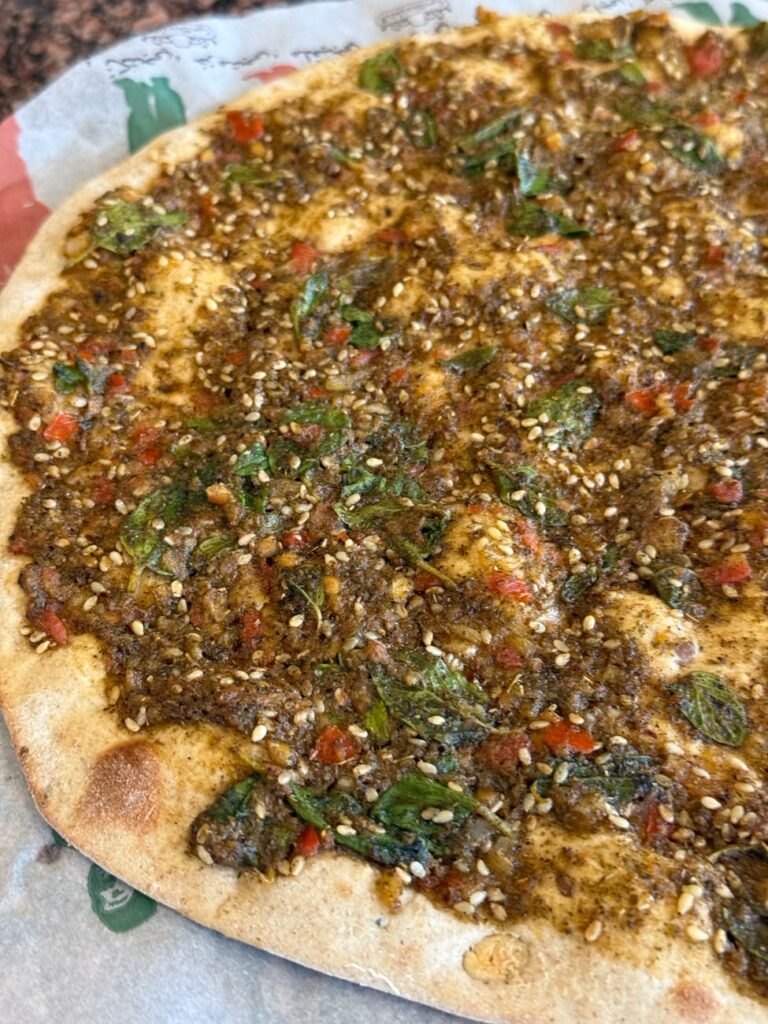
Lebanese Bread FAQs Answered
Introduction
Lebanese bread, often referred to as pita bread or Arabic bread, is a staple in Middle Eastern cuisine. Characterized by its unique pocket and soft texture, it serves not only as a vehicle for dishes but also as an integral part of the dining experience. This article aims to provide comprehensive insights into Lebanese bread, addressing common inquiries and delving into its history, production, quality considerations, and more.
What Is Guides?
In the context of food ingredients, ‘Guides’ refers to curated informational resources that provide detailed insights on various culinary elements. These guides assist consumers, chefs, and food enthusiasts in understanding the nuances of ingredients, ensuring informed choices in selecting, using, and appreciating them. For Lebanese bread, guides encompass everything from its cultural significance to practical usage tips.
History and Origins
Lebanese bread has ancient roots that trace back thousands of years, originating in the Levant region. The concept of flatbreads can be found in various cultures, but the Lebanese variety has its distinct characteristics shaped by the region’s history, geography, and agricultural practices.
Historically, grains like wheat and barley were staples for the people of the Levant. The use of these grains led to the development of flatbreads, which were baked in clay ovens known as tabouns. These traditional methods have evolved, but the fundamental aspects of making Lebanese bread remain intact.
Over the centuries, Lebanese bread has adapted to various influences, including the Ottoman Empire and Mediterranean cultures, resulting in its rich and diverse forms today. It is not merely bread; it is a cultural emblem that reflects the traditions and livelihood of Lebanese people.
Production and Processing
The production of Lebanese bread involves a meticulous process that starts with high-quality flour, usually made from finely milled wheat. The key steps in the production include:
1. Mixing: Flour, water, yeast, salt, and sometimes sugar are combined to create a dough. The hydration level is crucial, as it affects the bread’s texture.
2. Kneading: The dough is kneaded until smooth and elastic, ensuring proper gluten development, which is essential for puffing up during baking.
3. Fermentation: The dough is allowed to rise, which can take anywhere from a few hours to overnight. This step contributes to the flavor and texture of the final product.
4. Shaping: After fermentation, the dough is divided into portions, rolled into rounds, and flattened to about a quarter-inch thickness.
5. Baking: The bread is traditionally baked in a hot oven or a taboun, where the intense heat causes the dough to puff up, forming the characteristic pocket.
6. Cooling: Once baked, the bread is removed from the oven and allowed to cool before packaging or serving.
Modern production may incorporate industrial methods, but many artisanal bakers still adhere to traditional techniques, ensuring authenticity in flavor and texture.
Quality and Grading
Quality assessment of Lebanese bread hinges on several factors:
- Ingredients: The use of high-quality wheat flour is paramount. Whole wheat or unbleached flour is often preferred for its nutritional benefits and flavor.
- Texture: Good Lebanese bread should be soft, pliable, and capable of holding fillings without tearing.
- Puffing: A well-made pita should have an even pocket, which indicates proper fermentation and baking techniques.
- Color: While color can vary, a light golden hue is typically desirable, signaling a well-baked product.
- Freshness: Bread should be fresh, as stale or old bread loses its desirable qualities, including texture and taste.
- Wraps and Sandwiches: Its pocket makes it perfect for stuffing with grilled meats, vegetables, and sauces.
- Dips: Serve it alongside dips like hummus or baba ghanoush, where it acts as a scoop.
- Pizza and Flatbreads: Use it as a base for pizzas or flatbreads, topped with a variety of ingredients.
- Accompaniments: Pair it with stews, soups, or salads, enhancing the overall dining experience.
- Crisps: Toasted or baked pieces can be used as a crunchy topping for salads or soups.
- Room Temperature: Freshly baked Lebanese bread can be stored at room
Grading systems for Lebanese bread may vary by region, but consumers should look for products that meet these quality indicators to ensure an enjoyable experience.
Buying Considerations
When purchasing Lebanese bread, whether from a local bakery or grocery store, consider the following:
1. Freshness: Look for bread that is freshly baked. Check for a production date if available, as freshness is key to optimal flavor and texture.
2. Ingredients: Review the ingredient list for quality indicators. Ideally, it should contain minimal additives—just flour, water, yeast, and salt.
3. Packaging: Well-packaged bread can extend shelf life. Look for airtight packaging to prevent staleness.
4. Type: Lebanese bread comes in various sizes and thicknesses. Consider what suits your culinary needs—thicker bread is often better for heartier fillings while thinner varieties are ideal for dips.
5. Source: If possible, buy from local bakeries known for their artisanal bread, as they often prioritize quality and traditional methods.
6. Cultural Authenticity: Some brands may boast traditional recipes or methods. Researching such brands can enhance your culinary experience.
Uses and Applications
Lebanese bread is incredibly versatile in the kitchen, with a multitude of applications:
The adaptability of Lebanese bread makes it a favorite in various culinary contexts, allowing it to shine in both traditional and contemporary dishes.
Storage and Shelf Life
The shelf life and storage methods for Lebanese bread are essential for maintaining its quality: