
Lebanese Bread Grading Explained
Introduction
Lebanese bread, also known as pita bread, is a staple in Middle Eastern cuisine and has gained popularity worldwide. Its soft, chewy texture and versatile nature make it an essential ingredient in various dishes, ranging from wraps to dips. Understanding the grading and quality of Lebanese bread is crucial for consumers, chefs, and food enthusiasts alike. This article delves into the intricacies of buying Lebanese bread, covering its historical context, production methods, grading systems, and practical considerations.
What Is Buying?
In the context of food ingredients, “buying” refers to the process of purchasing an ingredient, considering various factors such as quality, price, and source. When it comes to Lebanese bread, buying involves assessing its quality based on grading standards, freshness, and suitability for intended culinary applications. The buying decision impacts not only the taste and texture of dishes but also the nutritional value and overall dining experience.
History and Origins
The origins of Lebanese bread can be traced back to ancient civilizations in the Middle East, where flatbreads were among the earliest forms of food. The word “pita” is derived from the Greek word for “pie” or “cake,” but its roots extend deep into Lebanese culture, where it is often referred to as “khubz.” Traditionally made from a mixture of wheat flour, water, yeast, and salt, Lebanese bread has evolved through centuries, influenced by various cultures that have inhabited the region.
The bread is typically baked in a hot, stone oven, a method that allows it to puff up and form the characteristic pocket. This technique not only enhances its texture but also contributes to its flavor profile. While the bread has maintained its traditional essence, modernization in production techniques has led to various adaptations, resulting in different grades of Lebanese bread available in the market today.
Production and Processing
The production of Lebanese bread involves several key steps, each of which plays a significant role in determining the bread’s quality and grading. The primary ingredients—flour, water, yeast, and salt—undergo a series of processes:
1. Mixing: Ingredients are combined to form a dough, which can be adjusted for hydration levels to affect texture and chewiness.
2. Fermentation: The dough is allowed to rise, enabling yeast to ferment and produce carbon dioxide. This step is crucial for developing the bread’s flavor and texture.
3. Dividing and Shaping: The dough is divided into portions, then shaped into rounds or discs. The size and thickness can vary, impacting the final product’s quality.
4. Baking: Traditionally, Lebanese bread is baked in a stone oven (tabun) that reaches high temperatures, allowing the bread to puff up rapidly, creating its signature pocket.
5. Cooling: After baking, the bread must cool properly to maintain its texture and prevent sogginess.
Modern production methods may incorporate automated processes, but traditional techniques are still valued for their ability to produce high-quality bread.
Quality and Grading
The grading of Lebanese bread is determined by several factors, including texture, appearance, flavor, and freshness. Understanding these criteria can help consumers make informed purchasing decisions.
Key Grading Factors:
- Texture: A high-quality Lebanese bread should have a soft, chewy internal structure and a slightly crisp exterior. The presence of a well-formed pocket is also a sign of proper baking.
- Appearance: The bread should have a uniform color, typically a light golden-brown. Any dark spots or uneven coloration may indicate inconsistent baking.
- Flavor: Quality Lebanese bread has a subtle, pleasant flavor that complements various dishes. Off-flavors may indicate stale bread or poor-quality ingredients.
- Freshness: Freshly baked bread is always preferable. When buying, consumers should check the expiration date and look for signs of mold or excessive dryness.
- Wraps and Sandwiches: Its pocket makes it ideal for wraps filled with meats, vegetables, and sauces.
- Dips: It is commonly served with dips such as hummus, baba ghanoush, and tabbouleh, allowing for a delightful combination of flavors.
- Accompaniment: Lebanese bread serves as a side dish, complementing main courses like grilled meats and stews.
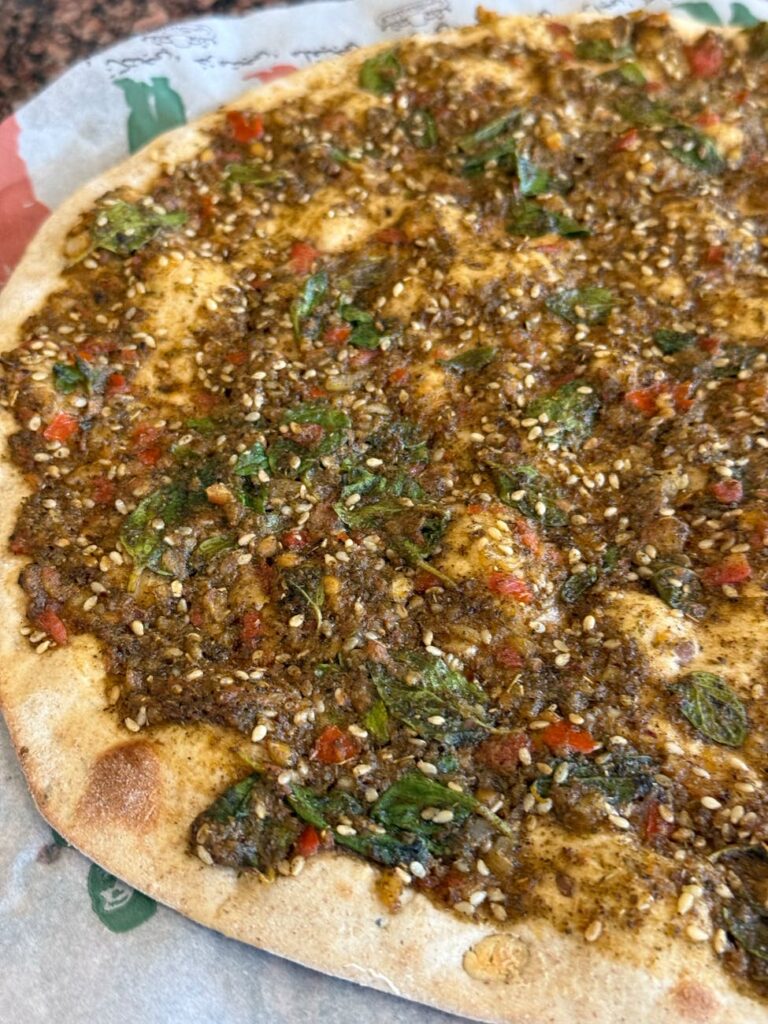
- Pizzas and Flatbreads: The bread can be topped with ingredients to create a quick flatbread pizza, making it a convenient option for home cooks.
- Room Temperature: Store
Grading Systems
While there is no standardized grading system universally accepted for Lebanese bread, many producers and retailers implement their criteria based on the factors mentioned above. Some may offer premium, standard, and economy grades, where premium bread is typically made using higher-quality flour and traditional baking methods.
Buying Considerations
When purchasing Lebanese bread, several considerations can enhance your buying experience:
1. Source: Consider buying from local bakeries that specialize in Middle Eastern bread. They often use traditional methods and fresher ingredients.
2. Type: Lebanese bread comes in various types, including whole wheat, white, and flavored options. Choose based on personal preference and dietary needs.
3. Packaging: Check the packaging for freshness seals and expiration dates. Avoid bread that appears to have been stored for an extended period.
4. Price: Price can be an indicator of quality. While higher-priced bread may offer superior quality, it is essential to balance cost with freshness and taste.
5. Reviews and Recommendations: Seek out reviews or recommendations from trusted sources before making a purchase. Word-of-mouth can often lead you to the best local options.
Uses and Applications
Lebanese bread is highly versatile and can be used in various culinary applications:
Storage and Shelf Life
Proper storage of Lebanese bread is essential to maintain its freshness and quality. Here are some guidelines: