
Lebanese Bread: Origins and Evolution
Introduction
Lebanese bread, often referred to as pita, is a staple in Middle Eastern cuisine, revered for its versatility and cultural significance. This flatbread has transcended its humble origins to become a global culinary icon. Understanding its background, production methods, and uses provides valuable insights into both Lebanese culture and the broader spectrum of bread-making traditions.
What Is Lebanese Bread?
Lebanese bread is a type of flatbread characterized by its round shape, soft texture, and unique pocket that forms during baking. Traditionally made from wheat flour, water, yeast, and salt, it serves as a fundamental component of many Lebanese dishes and is often used as a vessel for various spreads, fillings, and dips. Its adaptability allows it to be enjoyed in numerous ways, from wrapping shawarma to serving alongside mezze.
History and Origins
The origins of Lebanese bread can be traced back thousands of years to the Levant region, where the earliest forms of flatbreads were made. Historical evidence suggests that bread-making dates back to ancient civilizations, including the Sumerians and Egyptians, who created simple flatbreads baked on hot stones. Over time, these techniques spread through trade and migration, evolving into the diverse bread-making traditions we see today.
In the context of Lebanese culture, flatbreads have played a crucial role in communal and family gatherings. The bread symbolizes hospitality and sharing, often serving as a centerpiece in meals. The introduction of yeast and the technique of baking at high temperatures led to the development of the puffed pita, which distinguishes Lebanese bread from other regional varieties.
Production and Processing
The production of Lebanese bread involves several key processes, each contributing to its unique texture and flavor.
Ingredients
The primary ingredients include:
- Wheat Flour: Typically a high-gluten flour is used for its elasticity and strength.
- Water: Provides moisture, activating yeast and forming the dough.
- Yeast: Responsible for fermentation, allowing the dough to rise.
- Salt: Enhances flavor and controls yeast activity.
- Texture: Should be soft and elastic.
- Color: A light golden-brown hue is desirable.
- Puffiness: A well-baked pita should have a pronounced pocket.
- Flavor: Should have a mild, wheaty taste with minimal bitterness.
- Freshness: Always check the production date. Fresh bread offers the best flavor and texture.
- Ingredients: Opt for breads made with minimal additives and preservatives. Whole grain options may also provide additional nutritional benefits.
- Source: Support local bakeries or markets that specialize in Middle Eastern foods for authentic varieties.
- Packaging: Look for intact packaging to ensure freshness.
- Wraps: Used to encase meats, vegetables, and sauces, making it an ideal wrap for dishes like shawarma or falafel.
- Dips: Acts as a vehicle for various dips, such as hummus, baba ghanoush, and tzatziki.
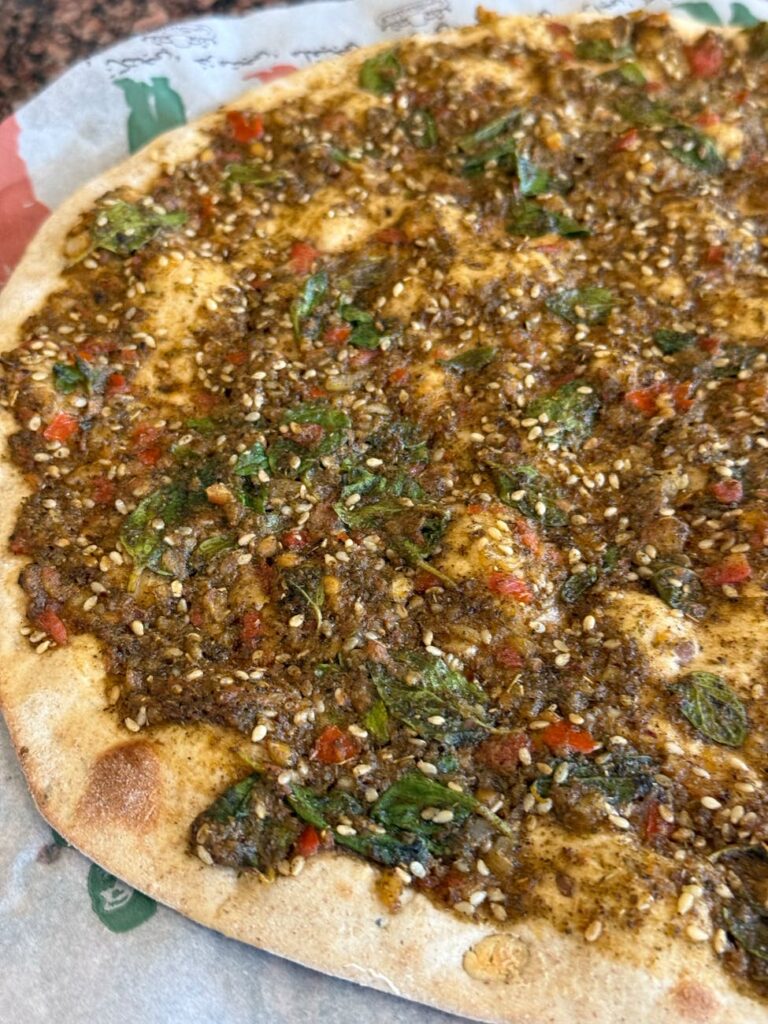
- Pizzas: Flatbreads can serve as a base for Middle Eastern-style pizzas, topped with ingredients like za’atar, cheese, and vegetables.
- Accompaniments: Served alongside stews, grilled meats, and salads, enhancing the overall dining experience.
- Room Temperature: Keep the bread wrapped in a clean kitchen towel or in a paper bag at room temperature for short-term storage (1-3 days).
- Refrigeration: While refrigeration can extend shelf life, it may alter the texture. If necessary, place in an airtight container.
- Freezing: For longer storage, freeze the bread. Wrap it tightly in plastic wrap and then place it in a freezer bag. It can be stored for up to three months. To use, thaw at room temperature or warm it in the oven.
- It’s Just Pita: While Lebanese bread is a type of pita, not all pita bread is Lebanese. Variations exist across different cultures, each with unique characteristics.
- Only for Middle Eastern Dishes: Although a staple in Lebanese cuisine, it’s versatile enough to complement various global dishes, from Mediterranean to American.
- All Pita Has a Pocket: Not all flatbreads that resemble
Dough Preparation
The dough is prepared by combining the flour, water, yeast, and salt to form a cohesive mixture. Kneading is essential, as it develops gluten, which gives the bread its characteristic chewiness. Once kneaded, the dough is allowed to rest and rise, typically for several hours.
Shaping and Baking
After the dough has risen, it is divided into small balls, which are then flattened into discs. The flatbreads are baked in a traditional oven called a taboon, or in modern commercial ovens. The high temperature of the oven causes the moisture within the dough to create steam, resulting in the iconic pocket that makes Lebanese bread so versatile.
Quality and Grading
The quality of Lebanese bread is determined by several factors, including the quality of the flour, the fermentation process, and the baking technique. High-quality bread should have a soft, pliable texture and a slightly chewy crust.
Grading Factors
Artisanal bakers often emphasize using traditional methods, which can enhance the flavor and texture, distinguishing their product from mass-produced varieties.
Buying Considerations
When purchasing Lebanese bread, several factors should be considered to ensure quality:
Uses and Applications
Lebanese bread is an incredibly versatile ingredient in the culinary world. Its applications extend far beyond being a simple side dish. Some common uses include:
Storage and Shelf Life
Storing Lebanese bread properly is crucial to maintain its freshness and prevent spoilage.
Storage Tips
Common Misconceptions
Lebanese bread is often misunderstood in various ways: