
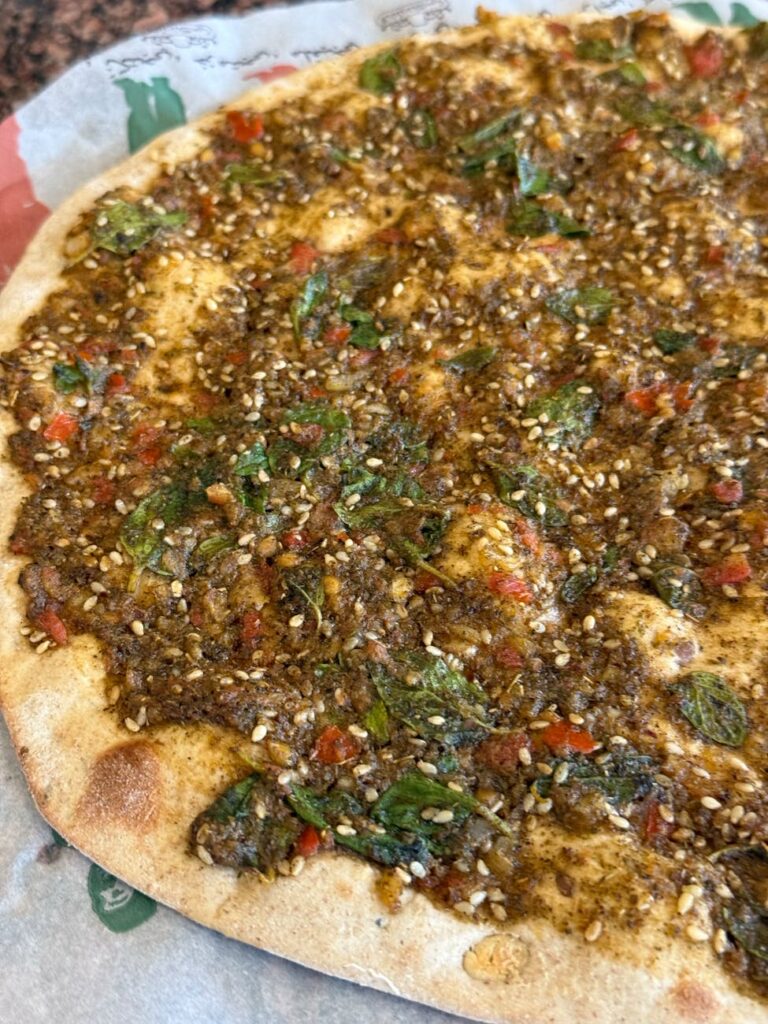
Lebanese Bread Regions Guide Part 7
Introduction
Lebanese bread, often referred to as “khubz” or “pita,” is a staple in Lebanese cuisine, celebrated for its unique texture and versatility. This article delves into the various regions of Lebanon where different styles of bread are produced, each influenced by local traditions, ingredients, and culinary practices. Understanding these regional variations not only enhances our appreciation of this beloved bread but also highlights the rich tapestry of Lebanese culture.
What Is Regions?
In the context of Lebanese bread, “regions” refers to the distinctive geographical areas within Lebanon, each contributing unique characteristics to the bread-making process. These regions include urban centers, rural communities, and mountainous areas, each with its own methods, ingredients, and cultural significance. The interplay of geography, climate, and local customs results in a rich diversity of bread types, flavors, and textures, making Lebanese bread a fascinating subject for exploration.
History and Origins
The origins of Lebanese bread can be traced back to ancient civilizations in the Levant. Archaeological evidence suggests that flatbreads have been consumed in the region for thousands of years, with the earliest references appearing in texts from the Sumerians and Egyptians. The evolution of Lebanese bread is closely linked to the agricultural practices of the region, particularly the cultivation of wheat and barley.
As Lebanon’s history unfolded, various cultures and empires influenced the local culinary practices, including the Phoenicians, Romans, and Ottomans. Each group brought its own techniques and flavors, leading to the development of the bread-making methods we recognize today. In contemporary Lebanon, bread remains an integral part of daily life, often served at every meal and used as a vehicle for various dips, meats, and salads.
Production and Processing
Lebanese bread production is a meticulous process, often involving traditional methods that have been passed down through generations. The key ingredients typically include high-quality wheat flour, water, yeast, and salt. The production process begins with the mixing of these ingredients to create a dough, which must undergo fermentation to develop flavor and texture.
Regional Variations in Production
1. Urban Areas: In cities like Beirut, commercial bakeries dominate the bread market. These establishments often use industrial methods to produce bread in large quantities, ensuring consistency and availability. The use of modern ovens allows for faster baking times, resulting in a softer, more uniform product.
2. Rural Regions: In contrast, rural areas often maintain traditional practices. Families may bake bread in wood-fired ovens, imparting a smoky flavor that is highly prized. The dough may also be allowed to rise for longer periods, contributing to a more complex flavor profile.
3. Mountains and Villages: In the mountainous regions, bread-making often incorporates local ingredients such as herbs and spices. Some bakers may even use stone-ground flour, resulting in a heartier, more textured bread. These artisanal methods reflect the deep connection between the community and the land.
Quality and Grading
The quality of Lebanese bread can vary significantly based on ingredients, production methods, and local practices. Generally, high-quality bread is characterized by the following elements:
- Texture: A desirable Lebanese bread should have a soft, pliable texture with a slight chewiness. The interior should be airy and light, while the exterior should be slightly crisp.
- Flavor: Freshness is paramount; high-quality bread will have a mild, nutty flavor, enhanced by the fermentation process. It should not be overly salty or bland.
- Appearance: A well-made khubz should have an even, golden-brown color, with a puffed appearance indicating proper baking techniques.
- Freshness: Look for bread that has been baked recently. Fresh bread will have a distinct aroma and a softer texture.
- Ingredients: Check for high-quality ingredients, particularly whole wheat flour. Some artisanal bakers may offer organic or locally sourced options.
- Local Bakeries: Whenever possible, support local bakeries that use traditional methods. These establishments often produce superior products with more nuanced flavors.
- Packaging: If buying pre-packaged bread, ensure that it is properly sealed to maintain freshness. Check expiration dates to avoid stale products.
- Wraps and Sandwiches: Lebanese bread is often used to wrap meats, vegetables, and spreads. Shawarma and kebabs are frequently served in khubz, making for portable, satisfying meals.
- Dips: Bread acts as a vehicle for traditional dips such as hummus, baba ghanoush, and muhammara. Its soft texture allows for easy scooping and pairing.
- Accompaniments: In many households, bread is served alongside stews and salads. It functions as both a utensil and a complementary element, enhancing the overall dining experience.
- Snacks: Flatbreads can also be enjoyed on their own, either fresh or toasted. Sprinkling herbs or spices can elevate a simple snack to a flavorful treat.
- Room Temperature: Freshly baked bread can be stored at room temperature for up to three days. Keep it in a breathable bag or container to prevent moisture buildup, which can lead to
Grading systems for Lebanese bread are not standardized but may be influenced by local preferences. Many consumers rely on sensory evaluation—taste, smell, and visual appeal—rather than formal grading.
Buying Considerations
When purchasing Lebanese bread, consumers should keep in mind several considerations to ensure they select the best quality:
Uses and Applications
Lebanese bread is incredibly versatile, serving as a foundation for a variety of dishes. Its uses extend beyond mere sustenance, incorporating it into the culinary fabric of Lebanese culture. Here are some common applications:
Storage and Shelf Life
Proper storage is crucial to maintaining the quality of Lebanese bread. Here are some guidelines to ensure longevity: