
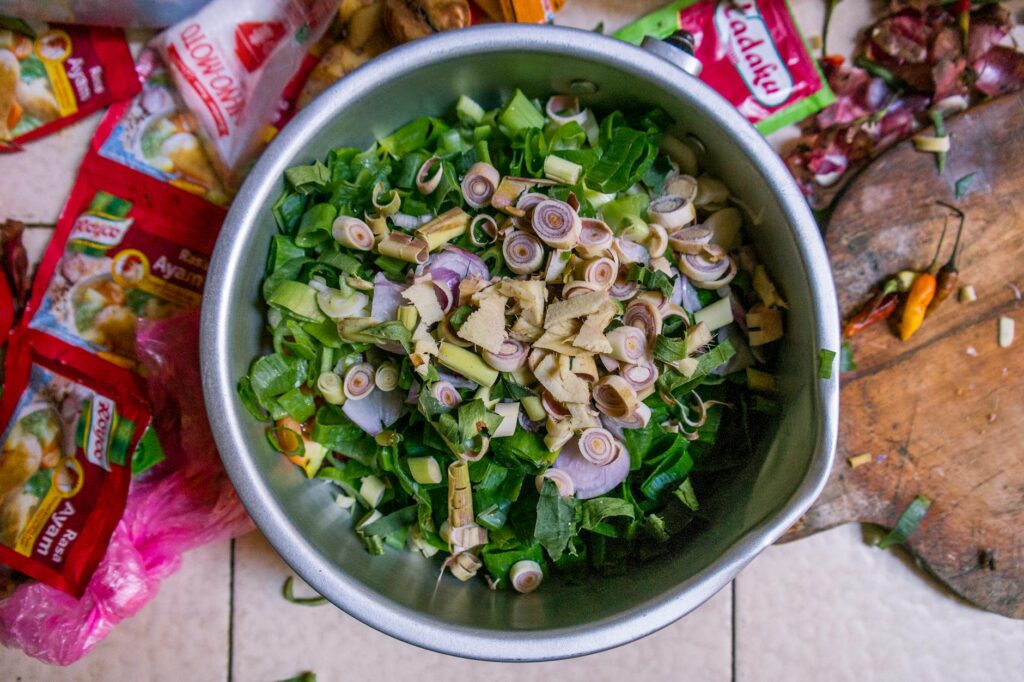
Lemongrass Around the World
Introduction
Lemongrass, an aromatic herb known for its citrusy flavor and fragrant aroma, holds a significant place in culinary traditions across various cultures. While its culinary applications are widely recognized, the herb’s origins, production methods, and regional variations contribute to a rich tapestry of knowledge surrounding this versatile ingredient. This article explores the multifaceted world of lemongrass, providing insights into its history, production, quality grading, and more.
What Is Regions?
In the context of lemongrass, “regions” refers to the geographical areas where the plant is cultivated, each offering unique climatic conditions that affect its growth, flavor profile, and usage. Understanding the regional differences in lemongrass can enhance one’s appreciation of this herb, showcasing how local practices and environmental factors shape its characteristics.
History and Origins
Lemongrass (Cymbopogon citratus) is believed to have originated in Southeast Asia, where it has been cultivated for thousands of years. Historical records suggest that ancient civilizations utilized lemongrass not only for culinary purposes but also for its aromatic properties in religious and medicinal contexts.
The herb spread from Asia to various parts of the world, particularly during the colonial era when trade routes expanded. By the 19th century, lemongrass found its way to the Caribbean and parts of Africa, adapting to various climates and becoming integral to local cuisines. Today, it is cultivated in tropical and subtropical regions globally, including India, Brazil, and Africa, each contributing unique flavor nuances to their culinary traditions.
Production and Processing
Lemongrass thrives in warm, humid climates and requires well-drained soil for optimal growth. Major producers of lemongrass include countries like Thailand, Vietnam, and India, each employing distinct agricultural practices.
In Thailand, lemongrass is often grown in organic farms, where it is harvested by hand to ensure the preservation of its essential oils. After harvesting, the stalks are cleaned and may be sold fresh, dried, or processed into essential oils. In Vietnam, lemongrass is commonly used in traditional dishes and is often harvested in large quantities for export.
Processing varies depending on the end use of the product. Fresh lemongrass is typically sold whole or chopped, while dried lemongrass is ground into a powder for use in spice blends. Essential oils are extracted through steam distillation, capturing the herb’s aromatic properties for use in culinary and cosmetic products.
Quality and Grading
The quality of lemongrass is determined by several factors, including freshness, aroma, and appearance. Fresh lemongrass should have vibrant green stalks without signs of wilting or discoloration. The aroma is a key indicator of quality; high-quality lemongrass emits a strong citrus scent.
Grading systems may vary between regions, but generally, lemongrass is classified based on its intended use. For culinary applications, higher grades are preferred for their intense flavor and fragrance, while lower grades may be suitable for essential oil production.
When purchasing lemongrass, consumers should look for certifications such as organic or fair trade, which can indicate adherence to quality standards and sustainable farming practices.
Buying Considerations
When buying lemongrass, several factors should be taken into account:
1. Freshness: Look for stalks that are firm and green. Avoid any that appear dried out or discolored.
2. Source: Consider purchasing from local farmers’ markets or organic suppliers to ensure quality and support sustainable practices.
3. Form: Decide whether you need fresh, dried, or powdered lemongrass based on your culinary requirements. Fresh lemongrass is typically preferred for its flavor.
4. Storage: Fresh lemongrass can be stored in the refrigerator for up to two weeks. Dried forms should be kept in a cool, dark place in an airtight container.
5. Aroma: The scent should be strong and citrusy. If the aroma is weak, it may indicate lower quality or age.
Uses and Applications
Lemongrass is a versatile ingredient with a wide range of culinary applications. It is commonly used in Southeast Asian cuisines, particularly in Thai and Vietnamese dishes. The herb adds a refreshing citrus flavor to soups, curries, and stir-fries.
In addition to its culinary uses, lemongrass is also employed in herbal teas and infusions, where it imparts a bright, zesty flavor. Beyond the kitchen, lemongrass essential oil is utilized in aromatherapy and cosmetics, valued for its invigorating scent and potential skin benefits.
In regions such as India, lemongrass is often infused in traditional drinks and used in spices, enhancing the flavor profile of various dishes. Its adaptability allows it to blend seamlessly with other herbs and spices, such as ginger and chili, making it a staple in many kitchens worldwide.
Storage and Shelf Life
Proper storage is essential to maintain the quality of lemongrass. Fresh lemongrass can be stored in the refrigerator, wrapped in a damp paper towel and placed in a plastic bag, for up to two weeks. It can also be frozen for longer storage; simply chop the stalks and place them in an airtight container.
Dried lemongrass, on the other hand, should be kept in a cool, dark, and dry place. When stored in an airtight container, it can retain its flavor for up to a year, although its potency may diminish over time. Ground lemongrass should be used within six months to ensure maximum flavor.
Common Misconceptions
Several misconceptions surround lemongrass that can lead to confusion among consumers:
1. Lemongrass vs. Lemon Balm: While both have citrus flavors, they are different plants