
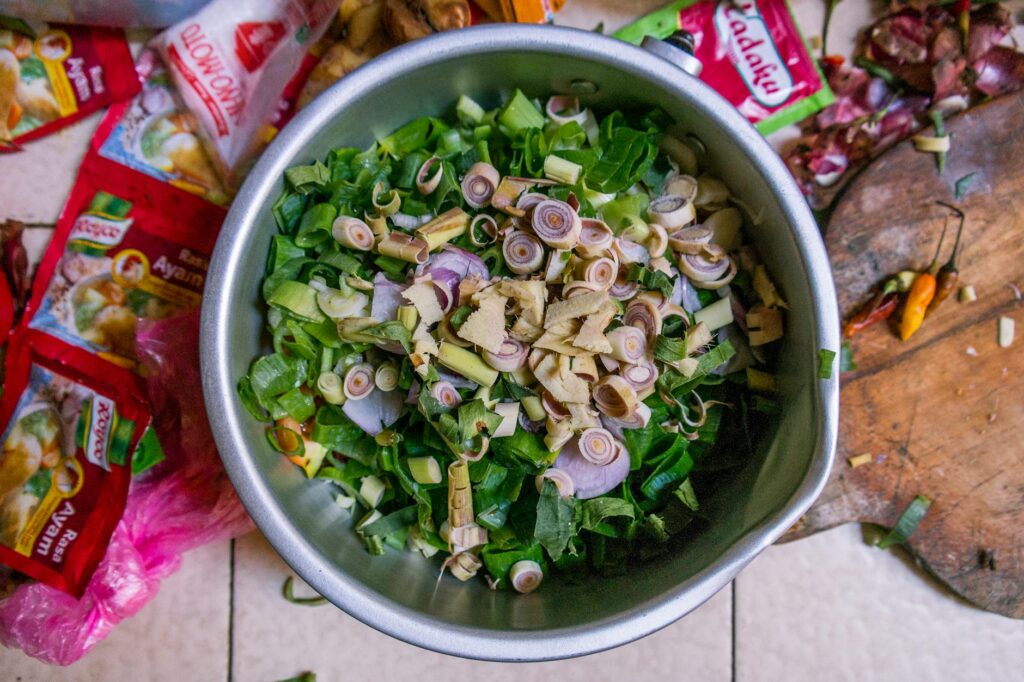
Lemongrass FAQs Answered
Introduction
Lemongrass, scientifically known as Cymbopogon citratus, is a versatile and fragrant herb widely utilized in culinary dishes, teas, and essential oils. Popular in Southeast Asian cuisine, it has gained international acclaim for its unique citrus flavor, which serves as an essential ingredient in various dishes. This article aims to provide a comprehensive overview of lemongrass, addressing common queries and offering insights into its history, production, and uses.
What Is Guides?
In the context of food ingredients, “guides” refer to authoritative resources that provide detailed information about a particular ingredient, including its characteristics, uses, and best practices for selection and storage. Guides serve as valuable tools for chefs, food enthusiasts, and consumers alike, enabling them to make informed choices when working with ingredients like lemongrass.
History and Origins
Lemongrass has a rich history that dates back thousands of years. Native to tropical regions of Asia, particularly India and Southeast Asia, it has been cultivated for its culinary and medicinal properties for centuries. The herb was traditionally used in Ayurvedic medicine and has been a staple in Thai, Vietnamese, and Indonesian cuisines.
Archaeological evidence suggests that lemongrass was cultivated as early as 2000 BC. Its spread to other parts of the world can be attributed to trade routes connecting Asia to the Middle East and Europe. Today, lemongrass is cultivated in various countries, including Thailand, India, Brazil, and the United States, adapting well to diverse growing conditions.
Production and Processing
Lemongrass thrives in warm, humid climates and is typically grown in well-drained soil. The plant can reach heights of up to three feet and is characterized by long, slender stalks and a distinctive lemony aroma.
After harvesting, lemongrass is processed in several ways to enhance its shelf life and usability. Fresh lemongrass can be used directly in cooking, while dried lemongrass is often ground into a powder for convenience. Essential oils extracted from lemongrass are used in aromatherapy and as flavoring agents in various products.
The quality of lemongrass can be affected by factors such as soil quality, climate conditions, and harvesting practices. High-quality lemongrass should have a vibrant green color, firm stalks, and a strong citrus scent.
Quality and Grading
When it comes to quality and grading, lemongrass is generally categorized based on its freshness, aroma, and appearance.
Fresh Lemongrass: The best quality lemongrass should exhibit a bright green hue and firm texture. The stalks should not be dry or browning, as this indicates age and loss of flavor.
Dried Lemongrass: For dried lemongrass, quality is assessed by its color, aroma, and absence of foreign materials. The dried product should retain a strong citrus fragrance and a greenish-brown color.
Essential Oil: The purity and concentration of essential oils derived from lemongrass can vary. High-quality oils are typically distilled from fresh stalks and should be free of additives or synthetic substances.
Buying Considerations
When purchasing lemongrass, several factors should be considered to ensure the highest quality product.
1. Form: Decide whether you need fresh, dried, or essential oil forms of lemongrass based on your intended use.
2. Source: Look for lemongrass sourced from reputable suppliers. Organic certifications may provide additional assurance of quality and sustainability.
3. Aroma: For fresh lemongrass, check for a strong citrus scent, which indicates freshness. For dried products, sniff the packaging if possible.
4. Appearance: Inspect the lemongrass for vibrant color and avoid any products that appear wilted, brown, or discolored.
5. Packaging: Ensure that the packaging is intact and free from moisture, as this can affect the quality of dried lemongrass.
Uses and Applications
Lemongrass is celebrated for its multifaceted uses across culinary, medicinal, and cosmetic domains.
Culinary Uses
In cooking, lemongrass is often used to add a refreshing citrus flavor to soups, curries, marinades, and teas. Its unique taste pairs well with various proteins, vegetables, and grains, making it a favorite among chefs in many cuisines.
Medicinal Uses
While this article does not provide medical advice, lemongrass is often cited in traditional medicine for its potential health benefits, including digestive support.
Essential Oils
Lemongrass essential oil is widely used in aromatherapy and personal care products. Its invigorating scent is believed to promote relaxation and uplift mood, making it a popular choice in candles and diffusers.
Storage and Shelf Life
The storage and shelf life of lemongrass can vary depending on its form.
Fresh Lemongrass
Fresh lemongrass should be stored in the refrigerator, ideally wrapped in a damp paper towel and placed inside a plastic bag. It can last for up to two weeks when stored correctly.
Dried Lemongrass
Dried lemongrass should be kept in a cool, dark place in an airtight container. When stored properly, it can retain its flavor for up to six months to a year.
Essential Oil
Lemongrass essential oil should be stored in a cool, dark place, away from direct sunlight. When sealed properly, it can last for several years, although its potency may diminish over time.
Common Misconceptions
Despite its popularity, several misconceptions about lemongrass persist.
1. Lemongrass is a citrus fruit: While it has a citrus flavor, lemongrass is actually a grass species and not a fruit.
2. All lemongrass is the same: There are different varieties of lemongrass, each with its unique flavor profile and aroma.
3. Dried lemongrass is inferior to fresh: While fresh lemongrass offers a stronger flavor, dried lemongrass can still be of high quality and useful in many applications.
4. Lemongrass is difficult to use: Many find that fresh lemongrass is easy to use once its tough outer layers are removed, revealing the tender inner stalk.
Frequently Asked Questions
1. How do I prepare fresh lemongrass for cooking?
To prepare fresh lemongrass, start by trimming the ends and removing dry outer layers. The tender inner stalk can be sliced, minced, or pounded to release its flavor.
2. Is lemongrass safe for pets?
While lemongrass is generally safe for human consumption, it can cause gastrointestinal upset in pets if ingested in large amounts. It’s advisable to consult a veterinarian for guidance.
3. Can I grow lemongrass at home?
Yes, lemongrass can be grown at home in pots or gardens, provided it is in a warm, sunny location. It can also be propagated from cuttings placed in water until roots develop.
4. What is the difference between lemongrass and lemon balm?
Lemongrass (Cymbopogon citratus) is a grass with a strong citrus flavor, while lemon balm (Melissa officinalis) is an herb with a milder lemon scent. They belong to different plant families and are used differently in culinary applications.
5. Does lemongrass have any culinary substitutes?
If lemongrass is unavailable, substitutes include lemon zest, lemon verbena, or a combination of lime leaves and ginger. However, the flavor profile may vary.
6. How can I tell if my dried lemongrass has gone bad?
Dried lemongrass may lose its fragrance or develop an off odor if it has gone bad. If it appears clumpy or discolored, it is best to discard it.
Conclusion
Lemongrass is a beloved ingredient with a rich history, versatile applications, and unique flavor. Understanding its origins, uses, and best practices for buying and storage can enhance your culinary repertoire. Whether you are a seasoned chef or a home cook, incorporating lemongrass into your dishes can elevate your culinary creations and expand your palate.