
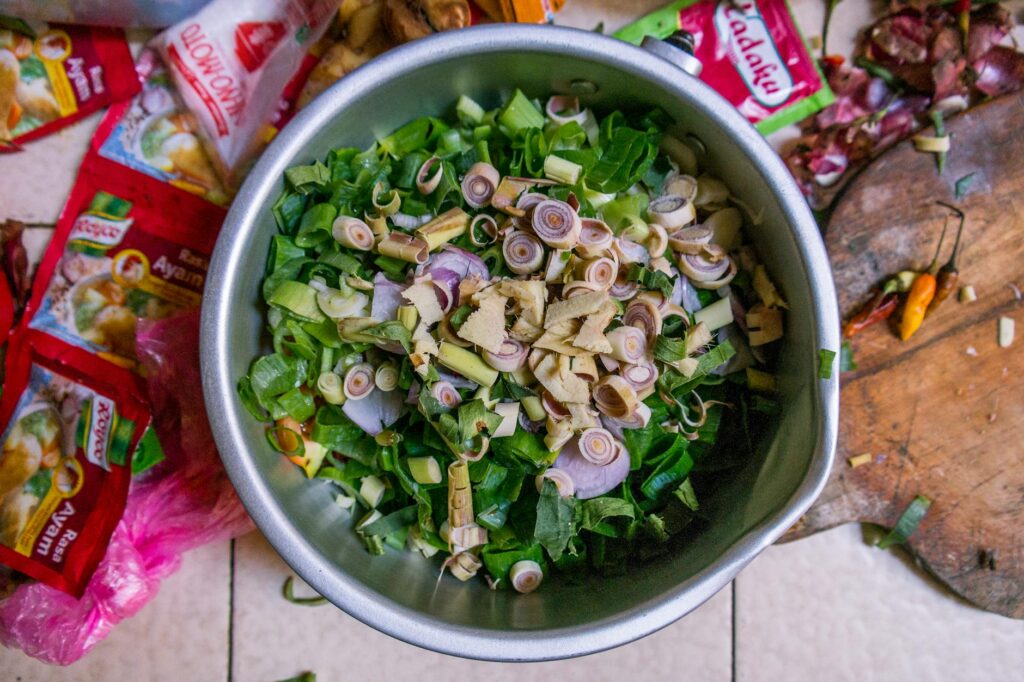
Lemongrass Growing Guide Part 7
Introduction
Lemongrass (Cymbopogon citratus) is a popular tropical plant known for its aromatic stalks and distinctive citrus flavor. Widely used in various culinary traditions, particularly in Southeast Asian cuisine, lemongrass is valued not only for its flavor but also for its potential as an aromatic herb and natural remedy. This guide delves into the nuances of growing lemongrass, exploring its history, production, processing, quality grading, buying considerations, and more.
What Is Growing?
Growing refers to the process of cultivating plants, which encompasses everything from seed germination to mature plant care. In the context of lemongrass, growing involves understanding its specific climate requirements, soil preferences, and maintenance practices. Successful cultivation requires attention to detail, including water management, pest control, and harvesting techniques.
History and Origins
Lemongrass is believed to have originated in tropical regions of Asia, particularly in countries like India and Sri Lanka. For centuries, it has been intertwined with local cultures, serving as both a culinary ingredient and a traditional remedy. The plant’s name is derived from its strong lemon scent, which is a result of the essential oils present in its leaves and stalks.
Historically, lemongrass has been used in various traditional medicines, particularly in Ayurvedic practices. Its migration to other parts of the world, including Africa and the Caribbean, has made it a staple in diverse cuisines and herbal practices. Today, lemongrass is cultivated in many tropical and subtropical regions worldwide, reflecting its global appeal.
Production and Processing
Lemongrass is typically grown in warm, humid climates, thriving in well-drained, loamy soils. The cultivation process begins with selecting healthy seedlings or propagating from cuttings. Once planted, lemongrass requires consistent moisture but should not be waterlogged.
Cultivation Practices
1. Soil Preparation: Prepare the soil by tilling and adding organic matter, such as compost, to enhance nutrient content.
2. Planting: Lemongrass can be grown from seeds, but it is more commonly propagated through division of existing clumps. Each clump should be spaced adequately to allow for air circulation.
3. Watering: Regular watering is crucial, especially during dry spells. An irrigation system can help maintain consistent moisture levels.
4. Fertilization: Use a balanced fertilizer to provide essential nutrients throughout the growing season, particularly nitrogen, which promotes leafy growth.
5. Pest Management: Monitor the plants regularly for pests such as aphids and spider mites. Organic pesticides can be used as a preventive measure.
Harvesting
Lemongrass is typically ready for harvest after about 4-6 months of growth. The stalks should be cut at the base, leaving a small portion of the plant intact to encourage regrowth. Harvesting should be done carefully to avoid damaging the plant’s root system.
Quality and Grading
The quality of lemongrass is determined by several factors, including aroma, freshness, and physical appearance. High-quality lemongrass should have a strong, citrus scent, and its stalks should be firm, plump, and free from blemishes.
Lemongrass is often graded based on its appearance and aroma:
- Grade A: Bright green stalks, strong aroma, minimal blemishes.
- Grade B: Slightly yellowing stalks, moderate aroma, some blemishes.
- Grade C: Dull appearance, weak aroma, significant blemishes or damage.
- Cooking: It is commonly used in soups, curries, marinades, and stir-fries. The stalks impart a subtle citrus flavor that enhances dishes without overpowering other ingredients.
- Herbal Infusions: Its leaves and stalks are often brewed as tea for a refreshing drink.
- Aromatherapy: The essential oil extracted from lemongrass is widely used in aromatherapy and cosmetic products for its uplifting scent.
- Natural Repellent: Lemongrass oil is an effective natural insect repellent, making it a popular choice for outdoor use.
- Fresh Lemongrass: Store in the refrigerator in a sealed plastic bag for up to two weeks. For longer storage, consider freezing the stalks, which can extend their shelf life for several months.
- Dried Lemongrass: Keep in an airtight container in a cool, dark place. Dried lemongrass will maintain its flavor for up to a year but may lose potency over time.
- Essential Oil: Store in a cool, dark location away from sunlight. Essential oils have a longer shelf life but should still be used within a couple of years for optimal potency.
Quality is crucial, especially for commercial buyers, as it influences market value and consumer preference.
Buying Considerations
When purchasing lemongrass, whether fresh or dried, consider the following factors:
1. Freshness: Look for bright green, firm stalks. Fresh lemongrass should have a strong, fragrant aroma.
2. Source: If possible, buy from local farmers or reputable suppliers who prioritize organic growing practices.
3. Form: Lemongrass is available in various forms, including whole stalks, chopped, or dried. Choose based on intended use.
4. Storage: Proper storage is key to maintaining quality. Ensure you understand how to store lemongrass to prolong its shelf life.
Uses and Applications
Lemongrass is a versatile ingredient used in an array of culinary applications:
Storage and Shelf Life
Proper storage of lemongrass is essential to maintain its freshness and flavor: