
Lemongrass Regions Guide Part 6
Introduction
Lemongrass (Cymbopogon citratus) is a perennial herb that thrives in tropical and subtropical climates. Known for its distinct lemony flavor and aroma, lemongrass has become a staple ingredient in various culinary traditions, especially in Southeast Asian cuisine. This guide delves into the regions where lemongrass is cultivated, exploring its history, production, quality grading, and more. Understanding the nuances of these regions is crucial for both culinary professionals and home cooks eager to incorporate this fragrant herb into their dishes.
What Is Regions?
Within the context of food ingredients, “regions” refers to the geographical areas where specific crops are cultivated. These regions influence not only the availability of the ingredient but also its flavor profile, quality, and cultural significance. For lemongrass, the primary regions of cultivation include Southeast Asia, South Asia, South America, and parts of Africa. Each region has its own unique characteristics that affect how lemongrass is grown, harvested, and used.
History and Origins
Lemongrass is native to Southeast Asia, where it has been utilized for centuries for both culinary and medicinal purposes. Historical texts suggest that lemongrass has been cultivated in countries like Thailand, Vietnam, and India for over 2,000 years. Early trade routes helped spread its popularity to other regions, including Africa and South America. Its adaptability to various climates allowed it to flourish in diverse environments, leading to distinct regional variations.
In traditional Asian medicine, lemongrass has been revered for its soothing properties and use in herbal remedies. It has also played a role in rituals and cultural practices, further embedding it in the fabric of local traditions.
Production and Processing
Lemongrass thrives in well-drained, loamy soil with plenty of sunlight and moisture. The plant grows to about 3 to 4 feet tall and features long, slender leaves that are harvested for culinary use. The primary growing regions include:
- Southeast Asia: Countries like Thailand, Vietnam, and Indonesia are the leading producers of lemongrass. Here, the climate is ideal for year-round cultivation. Harvesting typically occurs every six months, with the leaves being cut and processed for both fresh and dried uses.
- South Asia: India and Sri Lanka also cultivate lemongrass, primarily for local consumption and export. The production methods are similar to those in Southeast Asia, with variations in processing that cater to regional culinary preferences.
- South America: Brazil has emerged as a significant producer due to its tropical climate. The cultivation techniques mimic those in Southeast Asia, but with modifications to suit local agricultural practices.
- Africa: Countries like Nigeria and Uganda have started to cultivate lemongrass for both culinary and medicinal purposes, attracting attention for its potential economic benefits.
- Visual Appearance: Fresh lemongrass should have bright green, firm stalks. Any browning or wilting indicates aging and potential loss of flavor.
- Aroma: The essential oils in lemongrass contribute to its distinct scent. A robust citrus fragrance is a hallmark of quality.
- Texture: Quality lemongrass should feel firm and slightly moist. Dried lemongrass should be brittle but not overly dry.
- Soups and Curries: In Thai cuisine, lemongrass is a key ingredient in dishes like Tom Yum soup and green curry, providing depth and a refreshing note.
- Teas and Infusions: Dried lemongrass is often steeped in hot water to create fragrant herbal teas, celebrated for their calming properties.
- Marinades and Dressings: The zestiness of lemongrass adds brightness to marinades for meats and seafood, as well as to dressings for salads.
- Beverages: In addition to teas, lemongrass is used in cocktails and smoothies for its refreshing taste.
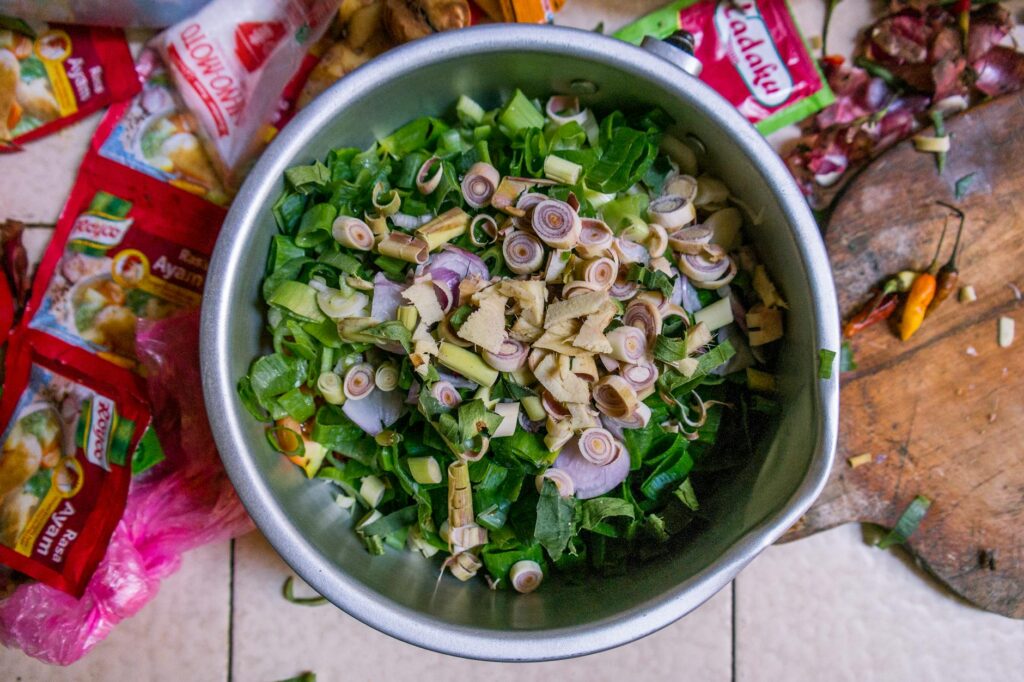
Processing methods vary by region but generally involve washing, cutting, and drying the leaves. Fresh lemongrass is often used in cooking, while dried lemongrass is popular for teas and herbal infusions.
Quality and Grading
The quality of lemongrass is determined by several factors, including the plant’s origin, freshness, and processing methods. High-quality lemongrass typically possesses vibrant green leaves with a strong citrus aroma. Here are the primary grading criteria:
In the marketplace, lemongrass is often sold in various forms: fresh, dried, or as essential oil. When purchasing, consumers should consider these quality indicators to ensure they are selecting the best product.
Buying Considerations
When purchasing lemongrass, there are several essential factors to consider:
1. Form: Fresh lemongrass can be found in grocery stores, especially those focusing on international cuisine. Dried lemongrass is often available in spice sections or specialty shops. Essential oils are also marketed for their aromatic properties.
2. Source: Opt for lemongrass sourced from reputable suppliers. Organic certification can be an additional assurance of quality, particularly in terms of growing practices and pesticide use.
3. Seasonality: Fresh lemongrass may be more readily available during certain seasons, especially in regions with temperate climates. Understanding the growing cycles of lemongrass can enhance purchasing decisions.
4. Storage: Fresh lemongrass has a limited shelf life compared to dried varieties. Buying in smaller quantities can prevent waste, especially if it is not used frequently.
Uses and Applications
Lemongrass is a versatile ingredient used in various culinary applications across different cultures. Its unique flavor enhances a wide range of dishes, including:
Beyond culinary uses, lemongrass essential oil has found applications in aromatherapy, cosmetics, and natural