
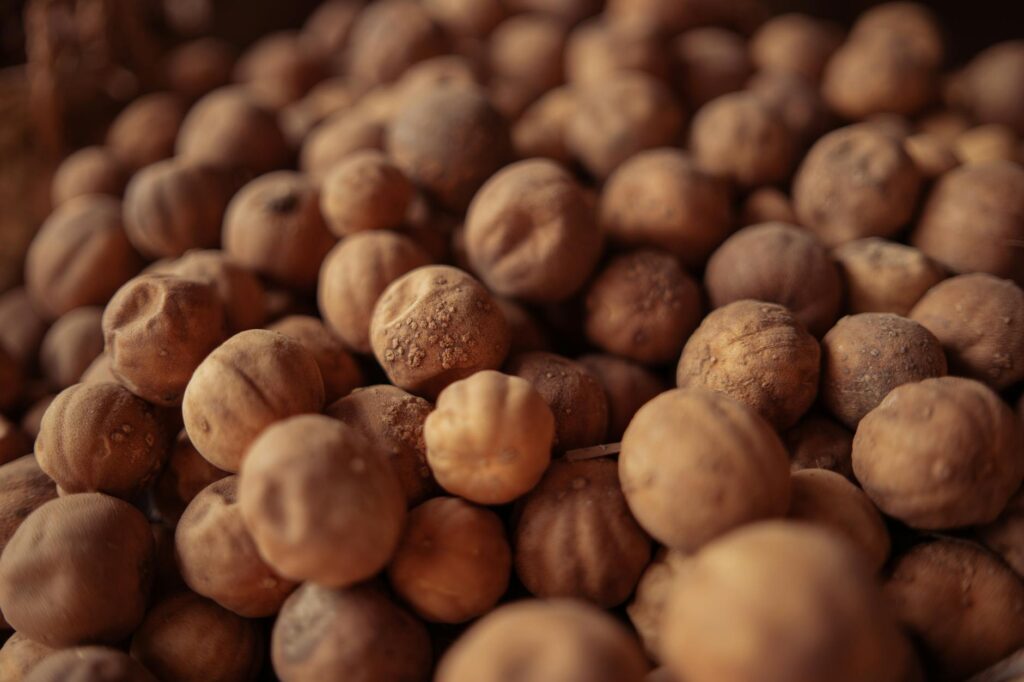
Lemons Grading Explained
Introduction
Lemons, with their bright yellow hue and piquant flavor, hold a prominent place in global cuisine. They are not only a staple in countless recipes but also serve as a vital ingredient in beverages, cleaning products, and health supplements. Despite their ubiquitous presence, understanding the nuances of lemon grading can significantly enhance your purchasing decisions. This article delves into the intricate world of lemon grading, offering insights into quality parameters, buying considerations, and more.
What Is Buying?
Buying, in the context of food ingredients like lemons, refers to the process of acquiring produce based on specific quality standards and characteristics. This includes evaluating factors such as freshness, size, color, and overall appearance. Understanding the nuances of lemon grading is essential for both consumers and suppliers, as it affects not only the culinary experience but also the economic value of the fruit.
History and Origins
Lemons have a rich history that dates back thousands of years. Believed to be native to Asia, particularly the regions of Northeast India, Myanmar, and China, they were first cultivated in the Mediterranean around the first century AD. Over the centuries, they spread to various parts of the world, becoming a key ingredient in different cuisines.
The commercial cultivation of lemons began in earnest in the 19th century, particularly in California and Florida, which remain significant producers today. The historical significance of lemons extends beyond culinary uses; they were once valued for their medicinal properties and played a role in preventing scurvy among sailors in the 18th century.
Production and Processing
Lemon production is a meticulous process that begins with the careful selection of lemon varieties. The most common varieties include Eureka, Lisbon, and Meyer lemons, each offering distinct flavor profiles and characteristics. Once harvested, lemons undergo several processing stages, including washing, grading, packing, and shipping.
Lemons are typically handpicked to ensure that the fruit is harvested at its peak ripeness. After harvesting, they are washed to remove any dirt or pesticides. Grading occurs during this stage, where lemons are sorted based on size, color, and blemishes. The best quality lemons are then packed in boxes for distribution to grocery stores, markets, and restaurants.
Quality and Grading
Lemon grading is a crucial aspect of the buying process, as it helps consumers identify the best quality fruit. The United States Department of Agriculture (USDA) has established specific grading standards, which are widely recognized in the industry. The main grades for lemons include:
U.S. Fancy
This grade includes lemons that are uniform in size, shape, and color. They should be free from blemishes, decay, or damage. U.S. Fancy lemons are typically the most sought after, as they present an appealing appearance and superior quality.
U.S. No. 1
Lemons in this category may have slight imperfections or minor blemishes but should still be firm and juicy. They are generally less expensive than U.S. Fancy lemons and are suitable for both culinary and non-culinary uses.
U.S. No. 2
This grade encompasses lemons that may have more noticeable blemishes or imperfections. While they may not be visually appealing, they can still be used effectively in cooking or juicing. U.S. No. 2 lemons are often sold at a lower price point, making them an economical choice for bulk buyers.
Specialty Grades
Beyond the standard grades, specialty grades may exist based on specific characteristics, such as organic lemons or those grown under sustainable practices. These lemons may have unique selling points, attracting niche markets focused on quality and sustainability.
Buying Considerations
When purchasing lemons, several factors should be considered to ensure you select the highest quality fruit:
Freshness
Freshness is paramount when buying lemons. Look for lemons that feel heavy for their size, indicating high juice content. The skin should be smooth, glossy, and free from soft spots or blemishes.
Color
A vibrant, deep yellow color is a good indicator of ripeness. Avoid lemons that are dull or have green patches, as these may not be fully ripe.
Size
While size does not directly correlate with flavor, larger lemons may yield more juice. Consider your intended use; smaller lemons may be more suitable for garnishes, while larger ones are ideal for juicing.
Firmness
Gently squeeze the lemon; it should feel firm yet slightly yielding. A lemon that is too hard may be under-ripe, while one that is overly soft may be past its prime.
Packaging
When buying pre-packaged lemons, inspect the packaging for any signs of damage or moisture, which could indicate spoilage.
Uses and Applications
Lemons are incredibly versatile and find applications across various domains:
Culinary Uses
From dressings to desserts, lemons add acidity and brightness to dishes. They are commonly used in marinades, sauces, and beverages. Lemon zest, the outer peel, is often incorporated into baked goods for added flavor.
Non-Culinary Uses
Beyond the kitchen, lemons have applications in cleaning products due to their natural acidity, which can help cut through grease and remove stains. They are also popular in beauty treatments, serving as natural exfoliants and skin brighteners.
Storage and Shelf Life
Proper storage is crucial for maintaining the quality and freshness of lemons. Here are some guidelines:
Room Temperature
Lemons can be stored at room temperature for up to a week. Keep them in a cool, dry place, away from direct sunlight.
Refrigeration
For longer shelf life, store lemons in the refrigerator. They can last up to a month when kept in a plastic bag or container in the crisper drawer. This helps maintain moisture and prevents them from drying out.
Freezing
If you have an abundance of lemons, consider freezing them. You can freeze whole lemons or juice them and freeze the liquid in ice cube trays for