
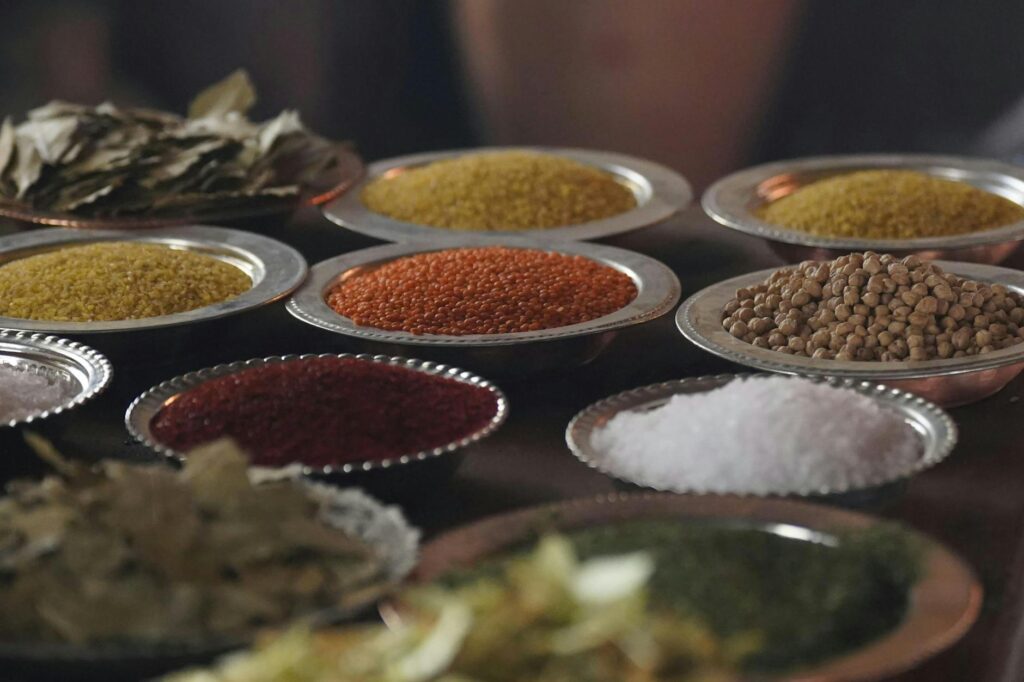
Lentils About Guide Part 6
Introduction
Lentils are a staple legume that has gained global recognition for their versatility and nutritional value. With a rich history and a multitude of applications, lentils have earned their place in kitchens around the world. This guide aims to provide comprehensive insights into lentils, covering their origins, production, quality grading, and more. By understanding these aspects, one can appreciate lentils not just as a food source, but as a pivotal ingredient in culinary traditions.
What Is About?
The term “About” in the context of lentils encompasses various facets related to this legume, including its characteristics, historical significance, nutritional profile, and diverse uses. This guide delves into these elements, providing a well-rounded understanding of lentils and their role in gastronomy and agriculture.
History and Origins
Lentils (Lens culinaris) are among the oldest cultivated crops, with evidence of their use dating back over 9,000 years. Archaeological findings suggest that lentils were first domesticated in the Near East, particularly in regions that are now present-day Turkey and Syria. They were a vital food source for ancient civilizations, including the Egyptians and Greeks, and have been mentioned in historical texts, such as the Bible.
Historically, lentils served not only as a dietary staple but also as a source of protein for various cultures. They played a crucial role in the diets of early agricultural societies, especially in the Mediterranean and South Asian regions. With the spread of trade routes, lentils eventually made their way to Europe, Asia, and beyond, adapting to local climates and culinary preferences.
Production and Processing
Lentils thrive in a range of climates but are primarily cultivated in regions with temperate conditions. Major producers include Canada, India, Turkey, and Australia. Lentils can be categorized into several varieties, including green, brown, red, and black, each with its unique flavor profile and cooking characteristics.
The production process begins with planting lentil seeds in well-drained soil during the spring months. As the plants grow, they require minimal irrigation, making them a sustainable crop option. Harvesting typically occurs in late summer when the plants have dried, and the seeds are fully formed.
Post-harvest, lentils undergo processing to remove impurities and prepare them for market. This includes cleaning, grading, and sometimes dehulling. The resulting product is then packaged for distribution, ensuring that lentils retain their nutritional value and culinary properties.
Quality and Grading
Quality and grading are essential in the lentil market, influencing price, consumer preference, and culinary application. Lentils are typically graded based on size, color, and the presence of defects or foreign materials.
The United States Department of Agriculture (USDA) has established standards for grading lentils, which include categories such as U.S. No. 1, U.S. No. 2, and U.S. No. 3. These classifications help consumers and producers assess the quality of lentils:
- U.S. No. 1: This grade indicates lentils that are whole, clean, and free from defects.
- U.S. No. 2: This grade may contain some broken lentils or minor imperfections.
- U.S. No. 3: Lentils in this category may have a higher percentage of defects and are less desirable for culinary purposes.
- Store in a cool, dry environment: A pantry or cupboard away from direct sunlight works
In addition to USDA grading, various countries may have their grading systems, reflecting regional preferences and standards.
Buying Considerations
When buying lentils, several factors should be taken into account to ensure quality and suitability for intended culinary uses:
1. Type of Lentil: Different varieties serve distinct purposes. For instance, red lentils cook quickly and are ideal for soups, while green and brown lentils hold their shape better, making them suitable for salads and side dishes.
2. Packaging: Consider whether the lentils are sold in bulk or packaged. Bulk lentils may require careful inspection for quality, while pre-packaged options often provide information regarding grading and origin.
3. Organic vs. Conventional: Some consumers may prefer organic lentils, which are grown without synthetic pesticides or fertilizers. Certification can assure quality and sustainability.
4. Freshness: Check the packaging date or “best by” date to ensure the lentils are fresh. Older lentils may take longer to cook and may not have the same flavor.
5. Source: Understanding the origin of the lentils can inform choices about sustainability and quality. Lentils sourced from reputable growers usually undergo rigorous quality checks.
Uses and Applications
Lentils are incredibly versatile and can be used in a myriad of culinary applications. They are a popular ingredient in soups, stews, salads, and side dishes. Their ability to absorb flavors makes them an excellent addition to various cuisines, including Indian dal, Middle Eastern mujaddara, and Mediterranean lentil salads.
In addition to traditional culinary uses, lentils can also be processed into flour, which is increasingly popular in gluten-free baking. Lentil flour serves as an excellent base for pancakes, breads, and pasta, providing a nutritious alternative to wheat flour.
Furthermore, lentils are often used as a meat substitute in vegetarian and vegan cooking due to their high protein content and ability to mimic the texture of ground meat. Dishes such as lentil burgers and lentil bolognese have gained popularity as healthier options.
Storage and Shelf Life
Proper storage is crucial to maintain the quality and flavor of lentils. When stored in a cool, dry place, lentils can last for several years. Airtight containers are recommended to protect lentils from moisture, pests, and light, which can affect their quality.
For best results, it is advisable to: