
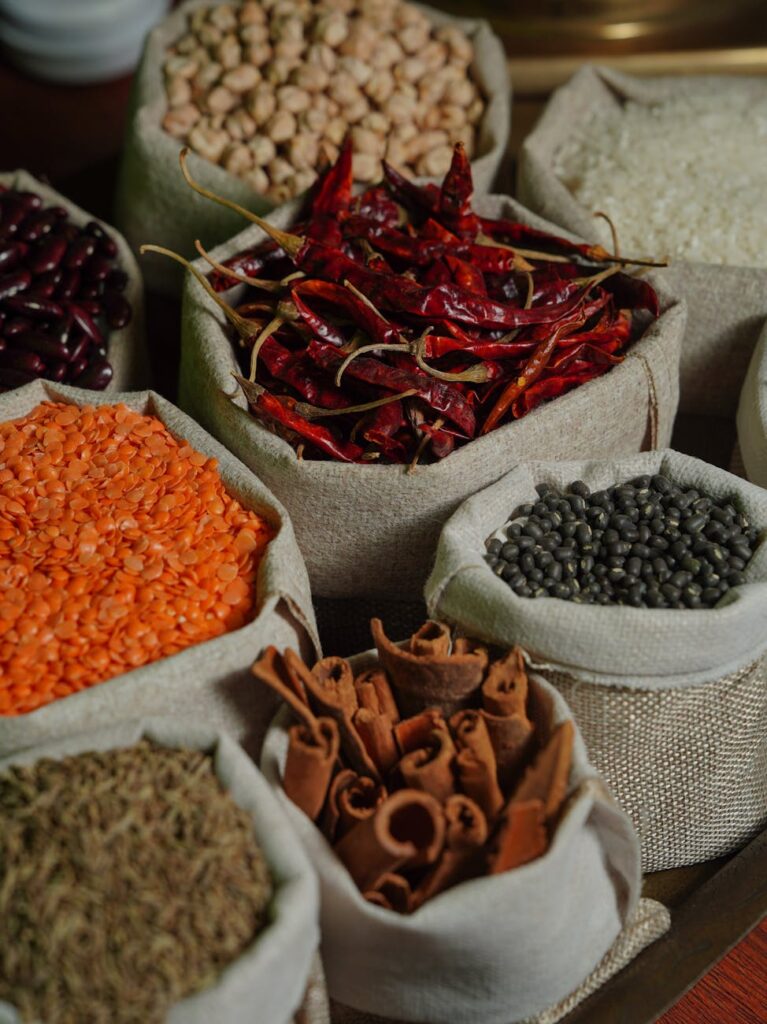
Lentils Grading Explained
Introduction
Lentils are one of the oldest cultivated crops, known for their versatility, nutritional value, and ease of preparation. As a staple in various cuisines worldwide, understanding how to evaluate and buy lentils is crucial for achieving optimal culinary results. This article delves into the intricacies of lentil grading, helping consumers and culinary professionals make informed decisions when purchasing this essential ingredient.
What Is Buying?
In the context of food ingredients, “buying” refers to the process of selecting and procuring food items based on specific criteria, including quality, price, and intended use. When it comes to lentils, buying involves assessing their grade, variety, and source, ensuring that the selected product meets the desired standards for both culinary and nutritional purposes.
History and Origins
Lentils (Lens culinaris) have been cultivated for thousands of years, with archaeological evidence indicating their domestication in the Near East around 8000 BCE. They were a staple food in ancient civilizations, including the Egyptians, Greeks, and Romans. Lentils were valued not only for their high protein content but also for their ability to thrive in various climates and soils, making them a reliable food source.
Today, lentils are grown in many countries, with Canada, India, and Turkey being some of the largest producers. The resurgence of interest in plant-based diets has further elevated lentils’ status as a superfood, bringing them into the spotlight in the modern culinary world.
Production and Processing
The production of lentils involves several key stages, from cultivation to processing. Lentils are typically planted in the spring and harvested in late summer or early fall. They thrive in well-drained soil and require moderate water levels. Once harvested, lentils undergo processing, which includes cleaning, sorting, and packaging.
After harvesting, lentils are cleaned to remove debris and impurities. They are then sorted based on size, color, and overall quality. This sorting process is essential for grading, as it determines the final classification of the lentils, affecting their market value and consumer appeal.
Quality and Grading
Lentils are graded based on several factors, including size, color, shape, and overall quality. The grading system varies by country and market, but common classifications include:
1. U.S. Grade Standards: In the United States, lentils are graded as U.S. No. 1, U.S. No. 2, and U.S. No. 3, with U.S. No. 1 being the highest quality. Factors influencing these grades include:
- Size: Larger lentils are often more desirable.
- Color: Uniformity in color indicates higher quality.
- Purity: The presence of foreign materials or other legumes can downgrade the quality.
- Soups and Stews: Their ability to absorb flavors makes them ideal for hearty dishes.
- Salads: Cooked lentils can add protein and texture to salads.
- Side Dishes: Lentils can serve as a nutritious side, often seasoned or mixed with other ingredients.
- Vegan and Vegetarian Dishes: They are a popular meat substitute due to their high protein content.
- Dip and Spreads: Lentils can be pureed into dips or spreads, offering a nutritious alternative to traditional options.
- Cool, Dry Place: Store lentils in a cool, dry environment away from direct sunlight to prevent moisture absorption and spoilage.
- Airtight Containers: Use airtight containers to keep lentils fresh and protect them from pests.
- Shelf Life: Dried lentils can last for several years if stored correctly, while cooked lentils should
2. Canadian Grading System: Canada, one of the largest exporters of lentils, employs a similar grading system, with grades such as Canada No. 1 and Canada No. 2. These grades consider factors like moisture content, seed size, and the presence of defects.
3. EU Standards: The European Union has its own grading system, focusing on criteria such as quality, size, and preservation of color, with strict regulations to ensure food safety.
High-quality lentils will exhibit a consistent appearance, minimal defects, and a good moisture balance. Understanding these grading systems can assist buyers in selecting the best lentils for their needs.
Buying Considerations
When purchasing lentils, several factors should be taken into account to ensure quality and suitability for intended culinary applications:
1. Variety: Lentils come in various types, including green, brown, red, and black. Each variety has distinct flavors, cooking times, and applications. Choose a variety that complements the dish you plan to prepare.
2. Source: Investigate the origin of the lentils. Local products may offer freshness and support local agriculture, whereas imported varieties might have unique flavor profiles.
3. Packaging: Lentils are available in bulk bins, bags, or boxes. Opt for packaging that protects against moisture and pests. Clear packaging allows for visual inspection.
4. Certification: Look for certifications such as organic or non-GMO, especially if these attributes are important to your culinary philosophy.
5. Price: While quality often correlates with price, it’s essential to balance cost with the desired grade and variety. Higher-priced lentils may provide superior flavor and texture.
6. Shelf Life: Check the packaging for expiration dates or best-by dates to ensure freshness.
Uses and Applications
Lentils are incredibly versatile and can be used in a multitude of culinary applications:
The culinary flexibility of lentils makes them an essential ingredient in various global cuisines, from Indian dal to Mediterranean lentil salads.
Storage and Shelf Life
Proper storage is crucial to maintain the quality of lentils. Here are some guidelines: