
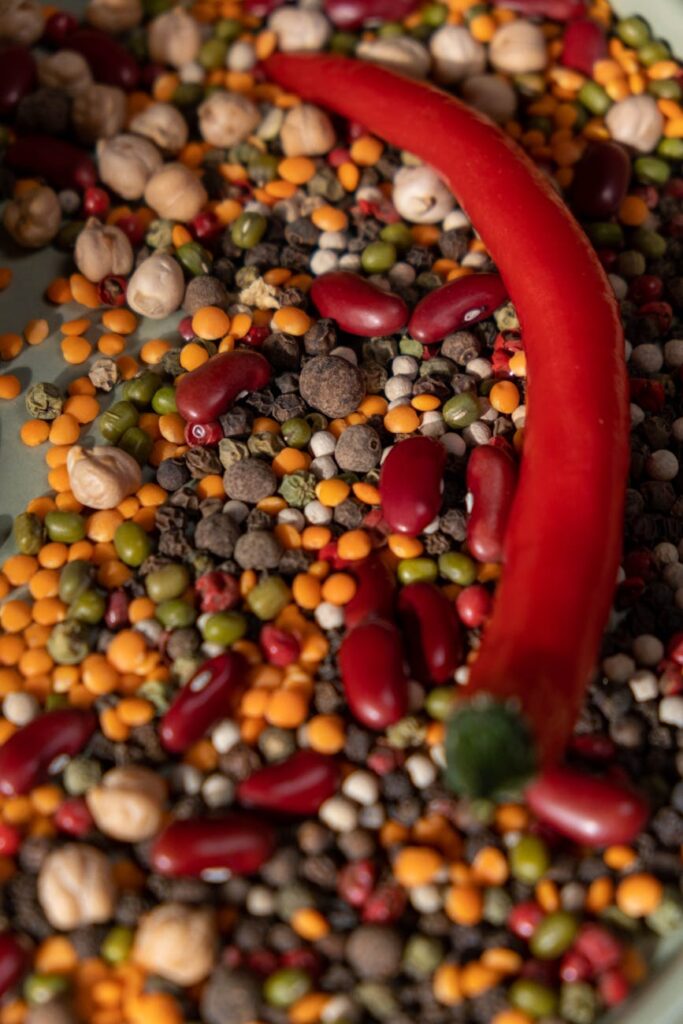
Lentils Production by Country
Introduction
Lentils are one of the most widely consumed legumes around the globe, celebrated for their nutritional value, versatility, and environmental benefits. With a history that stretches back thousands of years, lentils have become integral to various cuisines, particularly in regions where agriculture has deep roots. Understanding the production of lentils by country not only highlights their geographical significance but also sheds light on the cultural and economic factors influencing their cultivation.
What Is Regions?
In the context of lentils, “regions” refers to the geographical areas where these legumes are cultivated, processed, and distributed. The primary regions for lentil production include South Asia, North America, Europe, and parts of Africa and the Middle East. Each region presents unique climatic conditions, soil types, and agricultural practices that influence the variety of lentils produced, their yields, and their market value.
History and Origins
Lentils have a rich history that dates back to ancient civilizations. Archaeological evidence suggests that lentils were among the first crops domesticated by humans, with origins traced to the Fertile Crescent, specifically in areas of modern-day Turkey, Syria, and Jordan. References to lentils can be found in ancient texts, including the Bible and writings from classical Greece.
Over the centuries, lentils spread to various parts of the world, adapting to different climates and agricultural practices. Today, they are cultivated in more than 50 countries, with significant production occurring in regions such as South Asia, North America, and the Mediterranean.
Production and Processing
Global Production Overview
As of the latest reports, the leading countries in lentil production include:
- India: Dominating global production, India accounts for nearly 40% of the total lentil harvest. The country cultivates a variety of lentils, including red, green, and black lentils, primarily in its northern regions.
- Canada: Canada is a close second in lentil production, particularly known for its high-quality green and red lentils. The provinces of Saskatchewan and Alberta are the primary growing areas.
- Turkey: With a history of lentil cultivation, Turkey ranks among the top producers, focusing on both red and green varieties. The country’s climate and soil quality contribute to its successful lentil agriculture.
- Australia: As a significant exporter of lentils, Australia specializes in producing high-quality green and brown lentils, primarily in the southern regions.
- United States: The U.S. produces lentils mainly in the Pacific Northwest, particularly in Montana and North Dakota, where the climate is conducive to lentil growth.
- Soups and Stews: Lentils are a popular ingredient in soups and stews, providing both texture and nutritional value.
- Salads: Cooked lentils can be added to salads for an extra protein boost.
- Dals and Curries: In Indian cuisine, lentils are often used to make dal, a dish rich in flavor and nutrition.
- Side Dishes: Lentils can be served as a side dish, seasoned with herbs and spices to complement various meals.
- Burgers and Patties: Lentils can be mashed and combined with other ingredients to create plant-based burgers or patties.
- Cool, Dry Place: Keep lentils in a cool, dry area away from direct sunlight. A pantry or cupboard is ideal.
- Airtight Containers: Use airtight containers to prevent moisture from entering, which can lead to spoilage.
Processing Techniques
The processing of lentils involves several stages, including cleaning, drying, and packaging. After harvesting, lentils are cleaned to remove impurities, stones, and other foreign materials. They are then dried to a specific moisture content to ensure long shelf life. The processing methods vary by country, influenced by technological advancements and market demands.
Quality and Grading
The quality of lentils is determined by several factors, including size, color, and absence of defects. Various grading standards exist globally, with each country having its own criteria. For instance, in the United States, the USDA grading system classifies lentils into different grades based on their quality and size.
India employs a similar grading system, with lentils assessed for their appearance and cooking quality. Factors such as seed uniformity, color, and the absence of foreign seeds or matter play a significant role in determining market value. Understanding these grading systems is essential for buyers and sellers alike, as they influence market pricing and consumer trust.
Buying Considerations
When purchasing lentils, several factors should be taken into account:
1. Variety: Lentils come in various types, including red, green, brown, and black. Each has distinct culinary applications, so it’s vital to choose the right type for your needs.
2. Quality: Look for lentils that are uniform in size and color. High-quality lentils will have minimal broken seeds or foreign material.
3. Origin: Consider the source of the lentils. Different countries have unique climates and soil conditions that affect the lentil’s flavor and nutritional profile.
4. Packaging: Lentils should be stored in airtight packaging to preserve freshness. Check for packaging dates and ensure they are free from damage.
5. Sustainability: As demand for sustainable food sources grows, consider purchasing lentils that are certified organic or grown with environmentally friendly practices.
Uses and Applications
Lentils are versatile ingredients used in a wide array of culinary applications. They are a staple in many cultures, particularly in vegetarian and vegan diets, due to their high protein content. Common uses of lentils include:
Storage and Shelf Life
Proper storage of lentils is crucial to maintain their quality. When stored correctly, dried lentils can last for several years. Here are some essential tips for storage:
–