
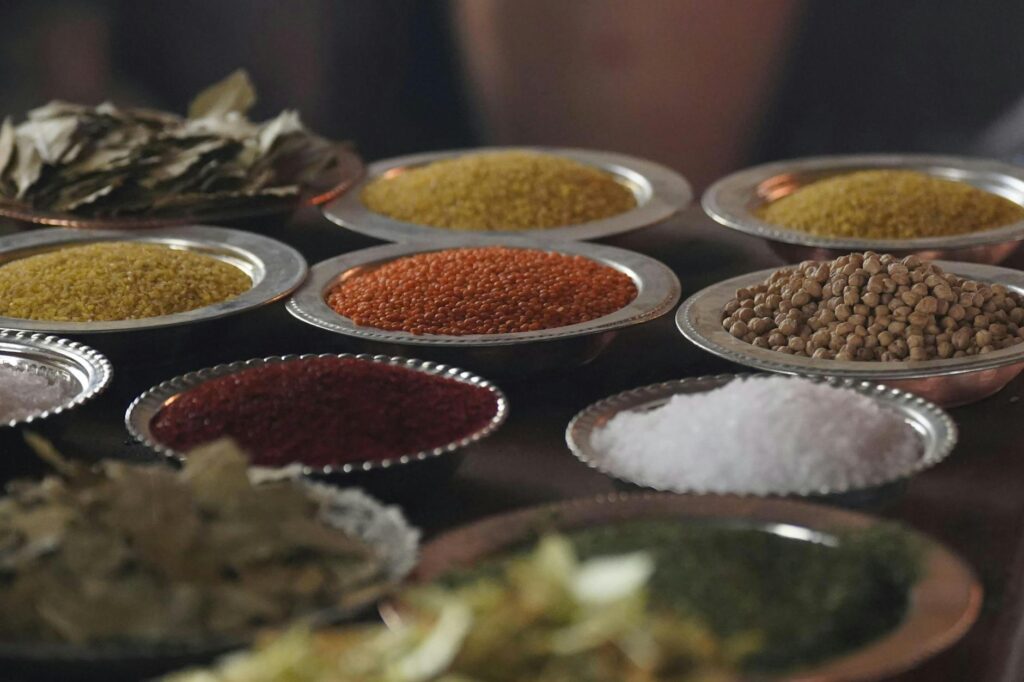
Lentils Regions Guide Part 7
Introduction
Lentils, a cornerstone of global cuisine, have been cultivated and cherished across various regions for millennia. Their rich nutritional profile, versatility, and adaptability to different climates and soils have led to their widespread cultivation. This guide delves into the regions where lentils are primarily grown, exploring their historical significance, production methods, and unique qualities that differentiate them.
What Is Regions?
In the context of lentils, “regions” refers to the geographical areas where lentils are cultivated and the unique characteristics associated with these locales. Each region contributes distinct varieties, flavors, and cultivation practices shaped by local climate, soil types, and cultural preferences. Understanding these regions helps consumers appreciate the diversity within lentils and their various applications in culinary traditions worldwide.
History and Origins
Lentils (Lens culinaris) boast a rich history that dates back over 9,000 years, making them one of the oldest cultivated crops. Archaeological evidence suggests that lentils were first domesticated in the Near East, particularly in areas corresponding to modern-day Turkey, Syria, and Jordan. Over time, lentils spread across Europe, Asia, and eventually to the Americas, adapting to diverse climates and culinary practices.
In ancient civilizations, lentils were a staple food due to their high protein content and ease of cultivation. They were mentioned in ancient texts, including the Bible, where they symbolized sustenance and nourishment. Today, lentils are found in various forms—from dry to canned—across global markets, reflecting their enduring legacy.
Production and Processing
Key Regions of Production
Lentils are primarily cultivated in regions with temperate climates. The leading producers include:
- India: As the largest producer, India accounts for over 30% of global lentil production. States like Madhya Pradesh, Uttar Pradesh, and Rajasthan are particularly notable for their lentil cultivation.
- Canada: Known for high-quality lentils, Canada ranks second in production. The provinces of Saskatchewan and Alberta are the main growing areas, benefiting from rich soil and favorable growing conditions.
- Turkey: With a long history of lentil cultivation, Turkey is a significant producer, particularly of red and green varieties. The regions of Anatolia are renowned for their lentil fields.
- Australia: Growing in popularity, Australia produces a range of lentil varieties, with South Australia being the predominant growing area.
- Grade 1: Highest quality, uniform in size and color, with minimal defects.
- Grade 2: Good quality, with slight variations in size or color.
- Grade 3: Acceptable quality, but may have more significant defects.
- Soups and Stews: Their ability to absorb flavors makes them ideal for hearty soups.
- Salads: Cooked lentils can add protein and texture to salads.
- Side Dishes: Lentils can be seasoned and served as a nutritious side.
- Dals: In Indian cuisine, lentils are often cooked with spices to create flavorful dishes known as dals.
- Purees and Spreads: Lentils can be blended into smooth spreads or dips.
- Keep Dry: Moisture can lead to spoilage and mold growth, so ensure lentils are stored in a dry environment.
- Avoid Light: Exposure to light can degrade quality; hence, opaque containers are ideal for storage.
Processing Techniques
Once harvested, lentils undergo several processing steps to ensure quality and safety. This typically includes:
1. Cleaning: Removing debris, stones, and foreign materials.
2. Sorting: Categorizing lentils by size and color to meet market standards.
3. Packaging: Lentils are packaged in various formats, from bulk bags to retail packaging, ensuring freshness and protection from moisture.
Quality and Grading
Lentils are graded based on several criteria, including size, color, and the absence of defects. Quality standards vary by region, but generally adhere to guidelines established by organizations such as the U.S. Department of Agriculture (USDA) or the Canadian Grain Commission.
Grading Standards
Consumers should look for these grading labels when purchasing lentils to ensure they are getting a quality product.
Buying Considerations
When purchasing lentils, several factors should be considered to ensure optimal quality and flavor:
1. Type: Different varieties (e.g., green, red, black, brown) have distinct flavors and textures. Understanding the best use for each type can enhance culinary applications.
2. Origin: The region of origin can affect the quality and flavor. For example, Canadian lentils are often sought after for their consistency, while Indian lentils may offer a more robust flavor.
3. Packaging: Ensure that the packaging is intact and the lentils are stored in a cool, dry place to maintain their quality.
4. Freshness: Check expiration dates or harvest dates when available, as fresher lentils will provide better flavor and nutritional value.
Uses and Applications
Lentils are celebrated for their versatility in a wide range of culinary applications. They can be used in:
Their adaptability means they can easily be incorporated into various cuisines, making them a staple in vegetarian and vegan diets.
Storage and Shelf Life
Lentils have an impressive shelf life when stored correctly. Uncooked, dry lentils can last for several years if kept in a cool, dry place in an airtight container.
Cooked Lentils
Once cooked, lentils should be refrigerated and consumed within 3-5 days. Alternatively, they can be frozen for longer storage, typically lasting up to six months in the freezer.
Tips for Proper Storage
Common Misconceptions
1. Lentils Are All the Same: Many people assume