
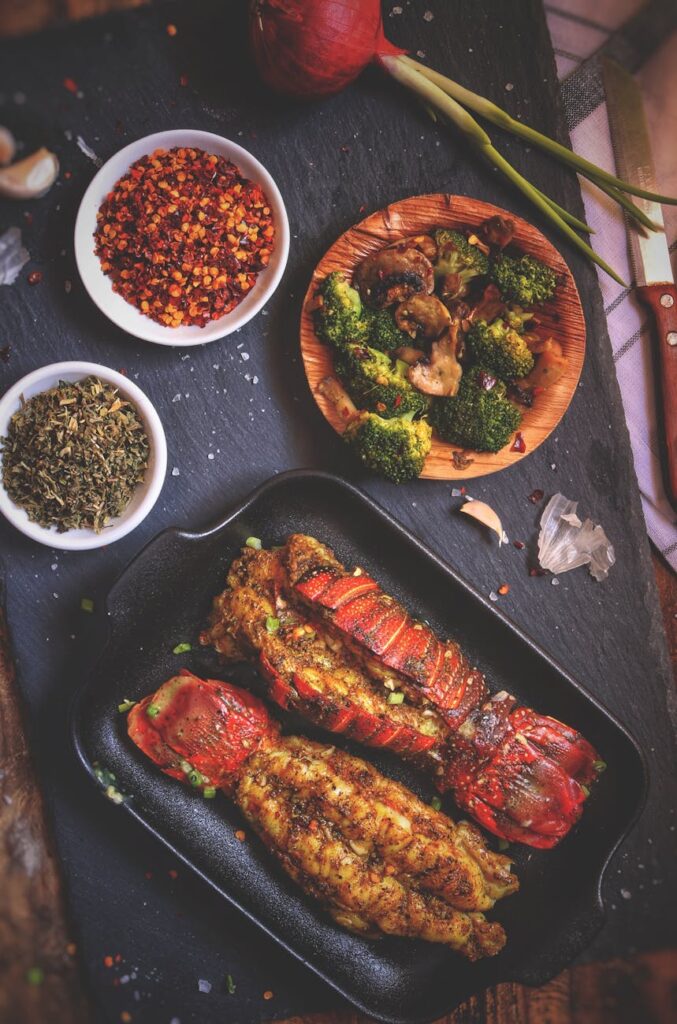
Lobster Around the World
Introduction
Lobster, a revered delicacy, is not merely a culinary delight but also a symbol of luxury and sophistication. This crustacean is enjoyed in various forms across the globe, with each region imparting its unique cultural twist on the ingredient. Understanding the different types of lobsters, their origins, and how they are processed enhances not only culinary appreciation but also informs sustainable practices for future generations. This article delves into the multifaceted world of lobsters, exploring their regions, history, production, and more.
What Is Regions?
In the culinary context, “regions” refers to the geographical areas known for specific varieties of lobster and their unique harvesting methods, culinary traditions, and environmental conditions. Lobsters are primarily found in the North Atlantic, but different species thrive in various locations, each exhibiting distinct characteristics in flavor, texture, and appearance. Key regions include New England in the United States, the Canadian Maritimes, Europe, and parts of Asia, each contributing to the rich tapestry of lobster cuisine.
History and Origins
The history of lobster is as intricate as its culinary applications. Evidence suggests that lobsters have been consumed for thousands of years, with archaeological findings indicating their presence in ancient Roman and Native American diets. In the United States, the American lobster (Homarus americanus) became a staple in the New England region, where it was initially considered a food for the poor. Over time, its association with wealth and fine dining grew, particularly in the 19th century when it became popular in upscale restaurants.
In Europe, the lobster trade has deep roots, with species like the European lobster (Homarus gammarus) being sought after since the Middle Ages. This long-standing admiration for lobsters across continents underscores their status as a culinary treasure.
Production and Processing
Lobster production varies significantly by region. In the United States and Canada, the American lobster is primarily harvested through traps, a method that ensures minimal environmental disruption. The peak season for lobster fishing generally spans from late spring to early fall, with the highest yields occurring during the summer months.
Processing involves several steps, including boiling, freezing, and packaging. Some regions employ live shipping methods, where lobsters are transported in water-filled containers, ensuring they arrive fresh. In other areas, particularly in Asia, lobster farming has grown in popularity, with aquaculture practices aimed at meeting rising global demand. Such farms typically focus on species like the Pacific lobster, which is known for its sweeter flavor profile.
Quality and Grading
The quality of lobster is often determined by several factors, including size, freshness, and species. In North America, lobsters are graded by weight, with classifications ranging from “cull” (lobsters missing one or more claws) to “select” (larger, more desirable specimens). The best quality lobsters are typically firm to the touch, with a robust shell and vibrant coloration.
In Europe, grading systems may differ slightly, but freshness remains paramount. Consumers often seek lobsters that are alive and active, as this is a sign of freshness. The European Union has also implemented strict regulations on lobster fishing to ensure sustainability, further influencing quality standards.
Buying Considerations
When purchasing lobster, several factors come into play. Firstly, consumers should consider the source of the lobster. Wild-caught lobsters are often preferred for their flavor and texture, but sustainability practices are crucial. One should look for certifications from organizations like the Marine Stewardship Council (MSC) or the Aquaculture Stewardship Council (ASC) to ensure responsible sourcing.
Additionally, freshness is key. If purchasing live lobsters, look for signs of vitality, such as active movement and a hard shell. For pre-cooked or frozen lobsters, check the packaging date and ensure there are no signs of freezer burn or damage.
Pricing can vary widely based on type, seasonality, and market demand. It’s wise to compare prices across different vendors, whether at a local fish market or an online supplier, to ensure a fair deal.
Uses and Applications
Lobster’s versatility makes it a cornerstone in various culinary traditions. In North America, lobster rolls are a popular summer dish, showcasing the meat’s sweet, succulent flavor in a simple sandwich form. In contrast, European cuisines often feature lobsters in rich sauces or as part of elaborate seafood dishes.
In Asia, particularly in countries like China and Japan, lobsters are often prepared in luxurious ways, including steaming or grilling, and served with flavorful dipping sauces. Lobster is also used in soups, bisques, and pasta dishes, demonstrating its ability to complement a wide range of ingredients.
Beyond traditional cooking, lobster meat is increasingly being used in innovative culinary applications, such as lobster-infused oils, sauces, and even as a topping for gourmet pizzas and sushi, reflecting contemporary dining trends.
Storage and Shelf Life
Proper storage is crucial to maintaining the quality of lobster. Live lobsters should be kept in a cool, moist environment, ideally in a tank or container with seawater. Avoid storing them in fresh water, as this can harm them.
For cooked lobster, refrigeration is essential. Cooked lobster can be stored in an airtight container in the fridge for up to three days. If freezing is necessary, ensure the meat is removed from the shell and vacuum-sealed to prevent freezer burn. Frozen lobster meat can last for six months to a year, while whole cooked lobsters are best consumed within three to six months.
Common Misconceptions
Despite its popularity, several misconceptions surround lobster. One common belief is that lobsters are only available in gourmet restaurants; however, they can be sourced directly from fish markets or through online suppliers.
Another misconception is that all lobster must be cooked alive. While this is a traditional practice in some regions, many chefs and consumers now opt for pre-cooked or frozen options, which can be just as high in quality.
Lastly