
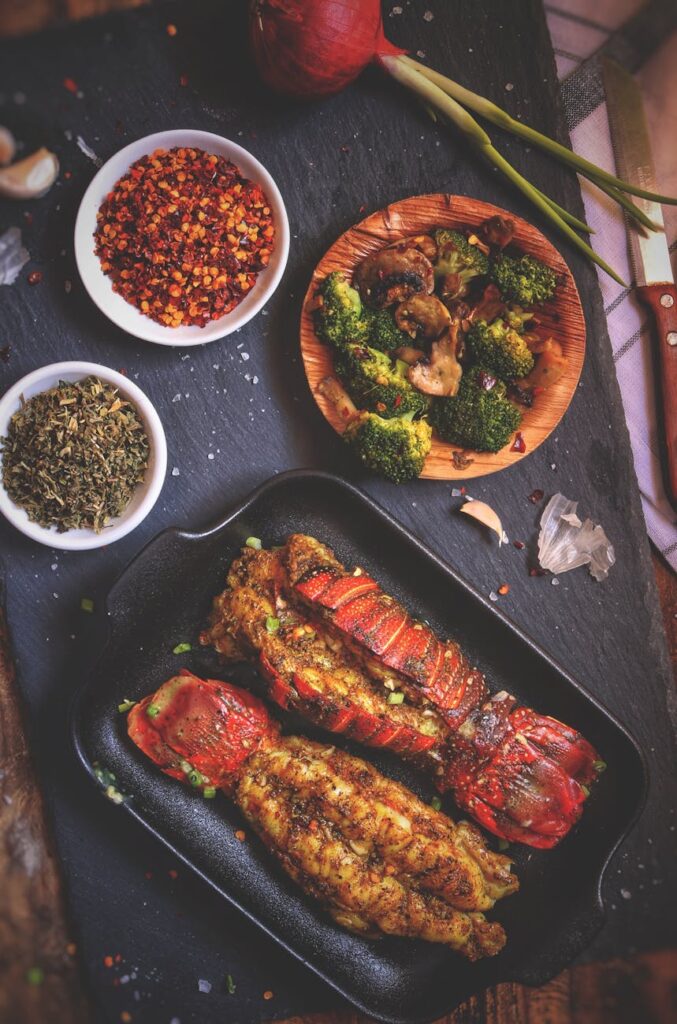
Lobster Buying Guide Part 7
Introduction
Lobster is often regarded as a luxury seafood item, celebrated for its delicate flavor and succulent texture. As consumers increasingly seek to enhance their culinary experiences, understanding how to buy lobster becomes essential. This comprehensive guide will navigate you through the various facets of purchasing lobster, including its history, production, quality indicators, and storage considerations. By the end, you will have a profound knowledge of how to select the best lobster, whether for a special occasion or a weeknight dinner.
What Is Buying?
Buying, in the context of food ingredients, refers to the process of selecting and purchasing food items based on various criteria such as quality, freshness, origin, and price. When it comes to buying lobster, this encompasses not only the act of purchasing but also understanding the nuances of the product and its market. A well-informed buyer can make choices that ensure not just satisfaction in flavor but also sustainability and ethical considerations.
History and Origins
Lobster has been a significant part of human diets for centuries. Early records indicate that Native Americans in North America consumed lobster long before European settlers arrived. Initially viewed as a food for the poor, lobsters were often used as bait for fishing, or fed to prisoners and the impoverished. However, by the 19th century, the perception of lobster began to shift, particularly with the advent of canning technology and the expansion of railway systems that allowed for easier transport.
Lobster has since evolved into a symbol of luxury and fine dining, particularly in Western cultures. Today, it is harvested primarily in the North Atlantic, with Maine being one of the most famous sources. The lobster industry has adapted over time, yet its rich history remains an integral part of its appeal.
Production and Processing
Lobsters are primarily harvested from the wild, with two main species dominating the market: the American lobster (Homarus americanus) and the European lobster (Homarus gammarus). The American lobster is characterized by its large claws and is predominantly found along the northeastern coast of the United States and Canada. The European variety, while similar, is generally smaller and less abundant.
Harvesting Methods: Lobsters are typically caught using traps or pots, which are baited and submerged in the ocean. The traps are checked regularly to ensure the lobsters remain alive and fresh. The timing of the harvest is crucial, as lobsters are best fished in cooler months when they are most active.
Processing: Once caught, lobsters are often processed quickly to preserve their quality. This can involve cooking, freezing, or shipping them live. For instance, cooked lobsters are quickly cooled and packaged, while live lobsters are stored in tanks or specially designed shipping containers to maintain their health during transit.
Quality and Grading
The quality of lobster can significantly affect its taste and texture. Various grading systems exist to evaluate the quality of lobsters, which typically consider factors such as size, condition, and color.
Grading Systems:
- Hard-Shell vs. Soft-Shell: Hard-shell lobsters have a firmer meat and are generally preferred for their quality. Soft-shell lobsters, which molt, are more delicate and may have a slightly different flavor but are often cheaper.
- Size: Lobsters are usually sold by weight, with sizes ranging from 1 pound to 3 pounds or more. Larger lobsters tend to be more expensive but can offer a more substantial meat yield.
- Color: A healthy lobster will typically exhibit a vibrant coloration, with a dark green or brown shell. Any discoloration or signs of damage can indicate poor quality.
- Culinary Preparations: Lobster can be steamed, grilled, baked, or even used in soups and stews. Its meat pairs well with a variety of flavors, from butter and garlic to spices and citrus.
- Garnishes and Toppings: Lobster meat can elevate dishes such as pasta, risotto, or salads, providing a touch of elegance and a boost in flavor.
- Seafood Towers: Often featured in seafood towers, lobster can be served chilled, accompanied by sauces such as cocktail sauce or drawn butter, allowing its natural flavors to shine.
- Live Lobster: Store live lobsters in a breathable container (such as a cardboard box) in the refrigerator, ideally at a temperature between 32°F and
When purchasing lobster, look for those that are lively and responsive. A good lobster should have a strong tail that curls when handled and should feel heavy for its size.
Buying Considerations
When buying lobster, several key considerations can help ensure a satisfactory purchase:
1. Source: Always inquire about the source of the lobster. Sustainable practices are crucial for preserving lobster populations and ensuring a healthy marine ecosystem.
2. Freshness: If buying live lobsters, check for active movement. For cooked or frozen lobsters, pay attention to packaging dates and storage conditions.
3. Seasonality: Lobster availability can vary by season. In general, the best time to buy Maine lobsters is during the summer months, while Canadian lobsters are more plentiful in the colder months.
4. Price: Prices can fluctuate based on demand, season, and source. Be prepared to compare prices at different retailers, and consider local fish markets for potentially fresher options.
5. Sustainability Certifications: Look for certifications from organizations such as the Marine Stewardship Council (MSC) or the Aquaculture Stewardship Council (ASC) to ensure the lobster was sourced responsibly.
Uses and Applications
Lobster is a versatile ingredient that can be used in a multitude of culinary applications. Its rich flavor makes it a popular choice for fine dining, but it can also be adapted for casual meals.
Storage and Shelf Life
Proper storage is vital to extending the shelf life of lobster and maintaining its quality. Here are some guidelines: