
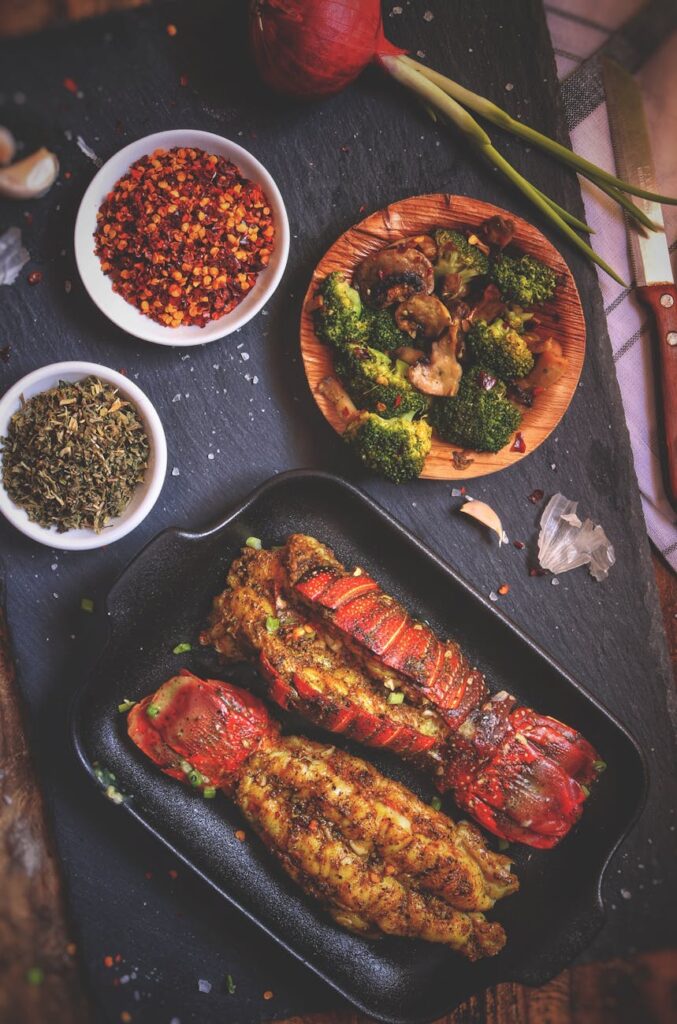
Lobster Cultivation Explained
Introduction
Lobster is a coveted seafood delicacy known for its sweet, succulent meat and rich flavor. As global demand for this luxurious ingredient continues to rise, understanding the intricacies of lobster cultivation becomes increasingly important. This article delves deep into the world of lobster farming, exploring its origins, production methods, quality assessment, and more, providing a comprehensive overview for culinary enthusiasts and industry professionals alike.
What Is Growing?
Growing, in the context of lobster cultivation, refers to the methods and practices involved in raising lobsters from larvae to mature adults suitable for harvest. Unlike traditional fishing, which relies on the natural population, lobster farming, or aquaculture, focuses on nurturing lobsters in controlled environments. This approach enables producers to manage growth rates, health, and environmental conditions, ultimately leading to a more sustainable and efficient seafood supply.
History and Origins
The history of lobster cultivation can be traced back to ancient civilizations. Indigenous peoples along the North American Atlantic coast utilized lobsters as a food source long before European settlers arrived. However, commercial lobster fishing began in earnest in the 19th century, with the rise of canning and transportation technologies.
The concept of aquaculture is relatively modern, gaining traction in the 20th century as overfishing and declining wild stocks prompted a search for sustainable alternatives. The first successful attempts at lobster farming occurred in the 1970s, primarily in the northeastern United States. Since then, advancements in breeding techniques, feed formulations, and environmental management have significantly improved the viability of lobster aquaculture.
Production and Processing
Lobster farming typically occurs in two primary forms: land-based systems and ocean-based systems.
Land-Based Systems
In land-based systems, lobsters are grown in tanks or recirculating aquaculture systems (RAS). These facilities offer complete control over water quality, temperature, and feeding. The process usually begins with the collection of juvenile lobsters, known as “seed,” which are then raised to market size over several months to a few years, depending on the species and conditions.
1. Water Quality: Essential parameters such as salinity, pH, and oxygen levels are meticulously monitored to create an optimal growing environment.
2. Feeding: Lobsters are typically fed a diet of high-protein pellets, supplemented with natural foods like fish, shrimp, and algae. Proper nutrition is crucial for growth and health.
Ocean-Based Systems
Ocean-based systems involve the use of underwater enclosures, or “cages,” where lobsters are raised in their natural habitat. This method allows for natural behaviors and growth patterns while still providing some level of protection from predators.
1. Site Selection: Choosing a location with optimal water conditions, currents, and minimal pollution is vital for the success of ocean-based farming.
2. Harvesting: Harvesting in ocean-based systems often involves divers or traps, which can be more labor-intensive than land-based systems but can yield lobsters with a more natural flavor profile.
Processing
Once harvested, lobsters undergo processing that includes sorting, grading, and possibly cooking. Processing facilities must adhere to strict hygiene standards to ensure product safety and quality. Lobsters are typically graded based on size, shell hardness, and overall health, which directly influences market value.
Quality and Grading
Quality assessment in lobster farming is critical for ensuring consumer satisfaction and market viability. Lobsters are generally graded according to several criteria:
1. Size: The weight and size of the lobster are paramount. Larger lobsters command higher prices in the market.
2. Shell Condition: A hard shell indicates a healthy lobster that has recently molted, while soft-shelled lobsters may be less desirable due to their lower meat yield.
3. Health Indicators: Signs of disease or stress can significantly affect a lobster’s quality. Healthy lobsters should exhibit active movement and clear, vibrant coloration.
4. Meat Quality: The flavor, texture, and moisture content of the meat are also considered during grading. Freshness is a key factor; lobsters should be alive at the time of sale to ensure optimal quality.
Buying Considerations
When purchasing lobsters, whether live or processed, consumers should consider several factors to ensure they are selecting high-quality products:
1. Source: Always inquire about the source of the lobsters. Sustainable farming practices and responsible fishing are crucial for environmental conservation.
2. Freshness: Live lobsters are typically the freshest option. Look for active movement and a clean, moist shell.
3. Seasonality: Lobster availability can vary seasonally. Understanding local fishing and harvesting seasons can help consumers choose the best time to buy.
4. Sustainability Certifications: Look for certifications from organizations that promote sustainable seafood practices, such as the Marine Stewardship Council (MSC) or the Aquaculture Stewardship Council (ASC).
Uses and Applications
Lobster is a versatile ingredient that can be employed in various culinary applications. Its rich flavor pairs well with a range of ingredients, making it suitable for both sophisticated gourmet dishes and casual preparations. Common uses include:
- Grilling and Broiling: Lobster tails are often grilled or broiled, enhancing their natural sweetness.
- Soups and Bisques: Lobster meat is a prized addition to soups and bisques, providing depth and richness.
- Salads and Pasta: Chilled lobster can be used in salads or pasta dishes, contributing to a luxurious dining experience.
- Stuffing: Lobster meat is often used to stuff other seafood, poultry, or vegetables, adding a gourmet touch to various meals.
- Temperature Control: Live lobsters should be kept in a cool, moist environment, ideally between 32°F and 40°F (0°C and
Storage and Shelf Life
Proper storage is vital for maintaining lobster quality and safety.