
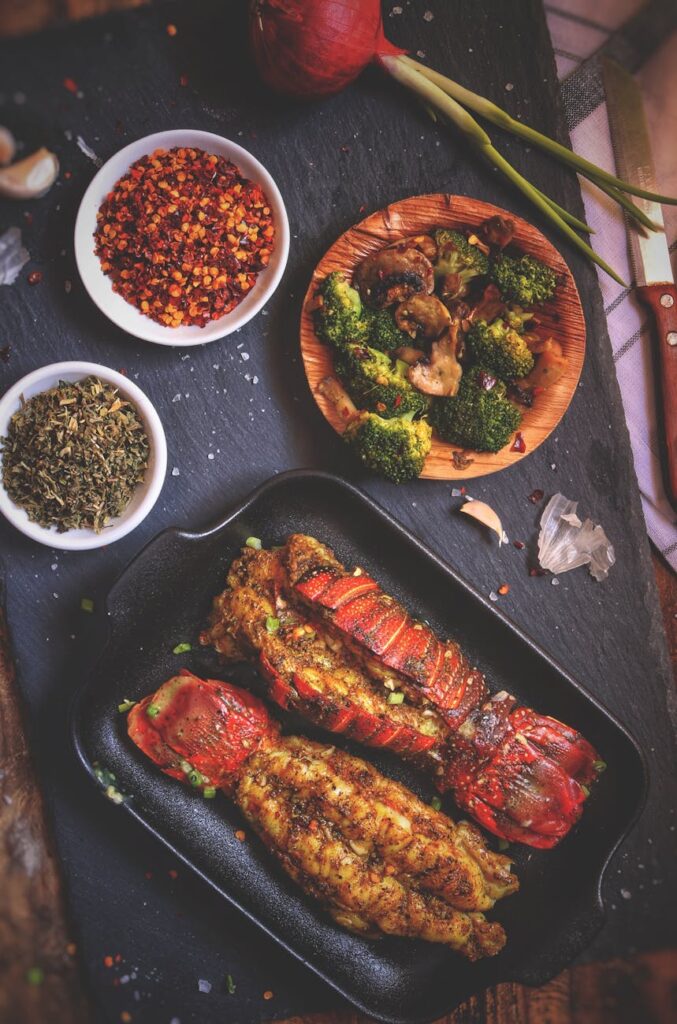
Lobster Growing Guide Part 6
Introduction
The allure of lobster transcends geographical boundaries, captivating culinary enthusiasts and gourmets alike. As a delicacy known for its sweet, tender meat and distinctive flavor, understanding the nuances of lobster growing is essential for both producers and consumers. This guide delves into the multifaceted aspects of lobster growing, shedding light on its history, production methods, grading systems, and more.
What Is Growing?
In the context of lobster, “growing” refers to the careful cultivation and management of lobster populations, particularly in aquaculture settings. Growing encompasses various practices that aim to optimize the health and size of lobsters, ensuring sustainable yields while maintaining ecological balance. This involves monitoring water quality, nutrition, habitat, and breeding practices to enhance growth rates and overall quality.
History and Origins
Lobsters have a storied history that dates back centuries. Indigenous peoples along the North American coast relied on lobsters as a food source long before European settlers arrived. Historically considered a food for the underprivileged, lobsters were often used as fertilizer or bait until the mid-19th century when their popularity surged, particularly in Europe and America.
With advancements in fishing techniques and the development of aquaculture, the commercial production of lobsters has evolved dramatically. Today, the primary species cultivated include the American lobster (Homarus americanus) and the European lobster (Homarus gammarus). Both species have shaped the culinary landscape, contributing to regional cuisines and economic activities.
Production and Processing
Lobster production can be divided into two main categories: wild capture and aquaculture.
Wild Capture
Most lobsters are still harvested from their natural habitats, primarily the cold waters of the North Atlantic. Fishermen utilize traps and pots, which are baited and strategically placed on the ocean floor. The harvesting season varies by region, influenced by local regulations aimed at ensuring sustainability.
Aquaculture
In recent years, the demand for lobster has led to increased interest in aquaculture. This involves raising juvenile lobsters in controlled environments, such as land-based tanks or ocean-based farms. Key factors in successful lobster aquaculture include:
- Water Quality: Maintaining optimal salinity, temperature, and oxygen levels is crucial to the survival and growth of lobsters.
- Nutrition: Lobsters require a balanced diet rich in protein, often provided through commercial feeds or natural sources such as shellfish and crustaceans.
- Breeding Practices: Selective breeding can enhance desirable traits, such as growth rate and disease resistance.
- Size: Lobsters are typically categorized by weight, with larger lobsters commanding higher prices. Common size ranges include small (1-1.5 pounds), medium (1.5-2.5 pounds), and large (2.5 pounds and above).
- Shell Condition: A hard shell is often indicative of a healthy lobster. Soft-shelled lobsters, or “shedders,” may be less desirable due to their lower meat content.
- Meat Yield: Higher meat yield corresponds to better quality. Factors affecting yield include the lobster’s diet and health prior to harvesting.
- Source: Opt for lobsters from reputable suppliers who adhere to sustainable fishing practices. Certifications such as the Marine Stewardship Council (MSC) can guide consumers toward responsibly sourced products.
- Freshness: Live lobsters should be active and responsive. Check for signs of life, such as movement of the antennae and claws.
- Seasonality: Be aware of the seasonal availability of lobsters in your region. In many areas, lobsters are more abundant during specific months, influencing price and availability.
- Boiling and Steaming: The most straightforward methods to prepare lobster, enhancing its natural flavors.
- Grilling: Adds a smoky depth to the meat, often complemented with butter or marinades.
- Soups and Bisques: Lobster stock forms the basis of rich soups, enhancing the overall flavor profile.
- Salads and Tacos: Chopped lobster meat can elevate salads or be used as a filling for seafood tacos.
- Temperature: Store live lobsters in a cool, damp environment, ideally between 32°F and 40°F (0°C to 4°C). A refrigerator or cooler with ice packs can be effective.
- Duration: Live lobsters are best consumed within 24 to 48 hours of purchase to ensure optimal freshness.
- Refrigeration: Cooked lobster can be stored in an airtight container in the refrigerator for up to 2-3 days.
- Freezing: For longer storage, cooked lobster can be frozen. When freezing, remove the meat from the shell and store it in a vacuum-sealed bag to prevent freezer burn. Properly frozen lobster can last for up to a year.
- Myth 1: All
Processing of lobster typically occurs shortly after harvest. This may involve cooking, freezing, or packaging for sale. Proper handling is essential to preserve the quality and flavor of the meat.
Quality and Grading
The quality of lobsters is determined by several factors, including size, shell condition, and meat content. Grading systems vary by region but generally classify lobsters based on weight and shell hardness.
Grading Criteria
Buying Considerations
When purchasing lobsters, several factors should be kept in mind to ensure quality and freshness:
Uses and Applications
Lobster is a versatile ingredient that can be utilized in various culinary applications. While traditionally associated with high-end dining, its use extends to casual settings and home cooking. Some common uses include:
Storage and Shelf Life
Proper storage is vital for maintaining the quality of lobster. Here are some essential guidelines:
Live Lobster
Cooked Lobster
Common Misconceptions
Several myths surrounding lobster growing and consumption can lead to confusion. Here are a few clarifications: