
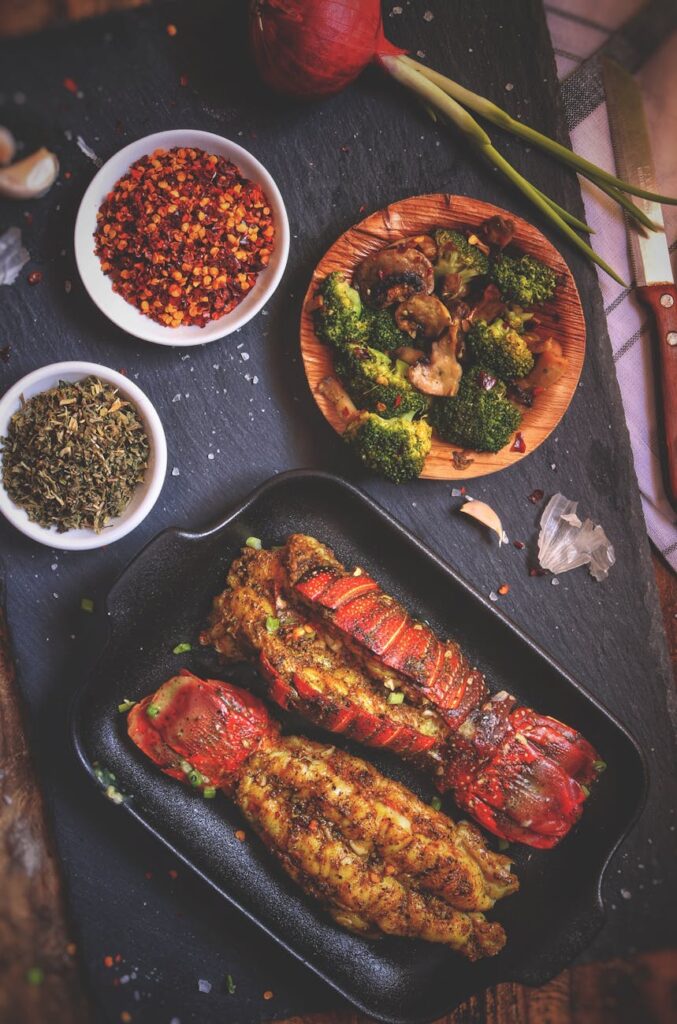
Lobster Growing Guide Part 7
Introduction
Lobsters, with their rich flavor and succulent texture, are not only a culinary delight but also a fascinating subject of study in aquaculture. As global demand for this luxurious crustacean continues to rise, understanding the nuances of lobster growing becomes increasingly essential. This guide delves into the intricacies of lobster cultivation, production, and quality, providing a comprehensive resource for aspiring aquaculturists and seafood enthusiasts alike.
What Is Growing?
Growing, in the context of lobsters, refers to the complex process of raising lobster populations from juvenile stages to market size. This involves a multifaceted approach that encompasses habitat management, feeding practices, health monitoring, and environmental considerations. The process requires a keen understanding of lobsters’ biological and ecological needs, allowing for optimal growth conditions that ensure healthy and robust specimens.
The Life Cycle of Lobster
Lobsters undergo several stages in their life cycle, including larval, juvenile, and adult stages. The larval stage begins when female lobsters release fertilized eggs into the water. These eggs hatch into larvae, which are planktonic and drift with ocean currents. After several molts, they settle to the ocean floor, where they transition into juvenile lobsters. Understanding this life cycle is crucial for effective growing practices, as each stage demands different environmental conditions and care.
History and Origins
The history of lobster cultivation is as rich as the seafood itself. Historically, lobsters were viewed as a food for the poor, often used as fertilizer or bait. However, their perception shifted dramatically in the 19th century as lobster became a delicacy in Europe and North America. The advent of aquaculture in the late 20th century marked a turning point, enabling controlled breeding and farming practices that increased availability and sustainability.
Today, countries like the United States and Canada lead in lobster production, primarily focusing on two species: the American lobster (Homarus americanus) and the European lobster (Homarus gammarus). As global awareness of overfishing and environmental sustainability grows, aquaculture practices continue to evolve, aiming to meet the needs of both consumers and the ecosystem.
Production and Processing
Lobster production typically occurs in two primary settings: wild catch and aquaculture. Wild catch involves fishing lobsters from their natural habitats, while aquaculture involves farming them in controlled environments. Both methods have their advantages and challenges, but aquaculture is gaining traction due to its potential for sustainability.
Aquaculture Practices
In lobster aquaculture, several methods are employed, including:
1. Land-based Systems: These involve rearing lobsters in tanks, allowing for better control over water quality, temperature, and feeding. However, they can be resource-intensive and costly.
2. Sea-Based Systems: These involve raising lobsters in ocean enclosures, which can provide a more natural growth environment. However, they are subject to environmental conditions and potential predation.
3. Integrated Multi-Trophic Aquaculture (IMTA): This innovative approach combines different species, such as shellfish and seaweed, to create a balanced ecosystem that utilizes waste products and enhances sustainability.
Regardless of the method, successful lobster production hinges on proper management of water quality, diet, and health monitoring.
Processing
Once harvested, lobsters undergo a series of processing steps to ensure they meet market standards. This includes grading, cooking, and packaging. Lobsters are often cooked immediately after harvest to preserve freshness, followed by chilling or freezing for longer shelf life. Ensuring proper handling and processing is vital to maintain the quality and flavor that consumers expect.
Quality and Grading
Quality assessment in lobsters involves several factors, including size, shell condition, and overall freshness. The grading system typically categorizes lobsters into different sizes, such as:
- Market Size: Generally around 1 to 1.5 pounds, these lobsters are the most commonly sold.
- Jumbo Size: Weighing over 2 pounds, these lobsters are often sought after for their size and meat content.
- Culls: Lobsters that have a missing claw or other deformities, which may be sold at a lower price.
- Grilled or Steamed: Highlighting its natural flavor, often served with melted butter.
- Lobster Rolls: A popular dish in New England, featuring lobster meat in a soft roll.
- Soups and Bisques: Infusing rich flavors into creamy soups.
- Pasta and Risotto: Adding a luxurious element to various starch-based dishes.
Grading standards can vary by region, but the emphasis remains on ensuring that consumers receive high-quality products. Freshness is paramount, and indicators include the lobster’s movement, shell hardness, and overall appearance.
Buying Considerations
When purchasing lobsters, several factors should be taken into account to ensure quality and sustainability:
1. Source: Opt for lobsters from reputable suppliers who adhere to sustainable fishing and farming practices. Look for certifications such as the Marine Stewardship Council (MSC) label.
2. Freshness: Live lobsters should exhibit signs of vitality, such as movement and responsive behavior. For cooked lobsters, check the color and aroma.
3. Size and Type: Consider the intended use and select the appropriate size and species. American and European lobsters differ in flavor and texture, so understanding their characteristics can enhance culinary experiences.
4. Seasonality: Lobster availability can fluctuate based on regional fishing seasons. Being aware of these cycles can help you make informed purchasing decisions.
Uses and Applications
Lobster is a versatile ingredient that finds its way into various culinary applications. While often celebrated in gourmet restaurants, it is also used in home cooking and casual dining. Common uses of lobster include:
Understanding the culinary applications of lobster can inspire creativity in the kitchen and enhance the dining experience.
Storage and Shelf Life
Proper