
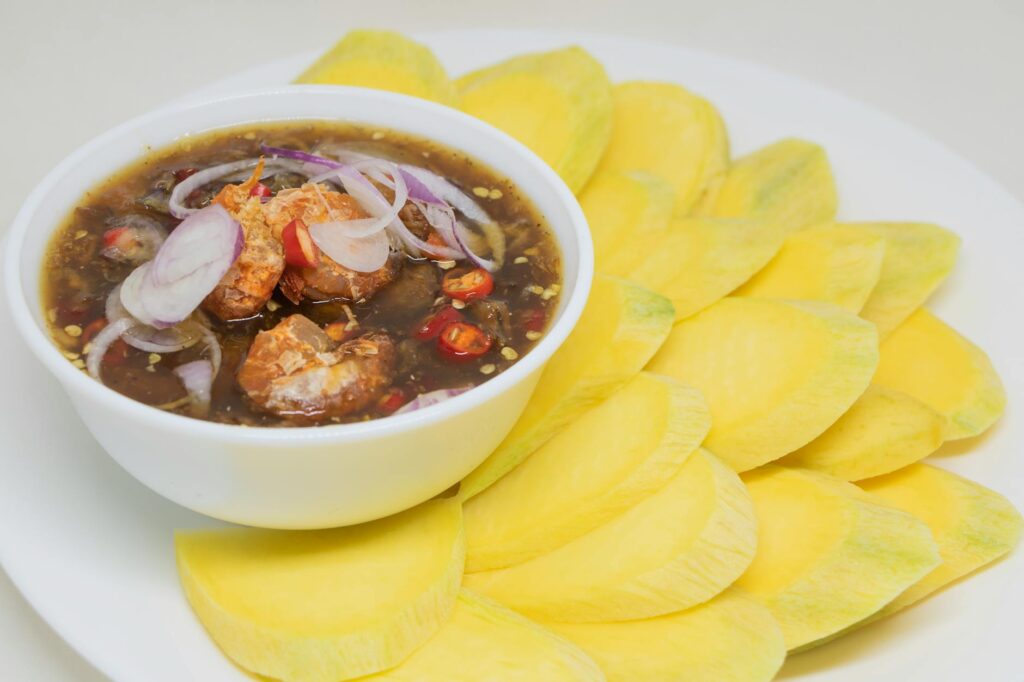
Mango Cultivation Explained
Introduction
Mango (Mangifera indica) is often referred to as the “king of fruits” due to its rich flavor, vibrant color, and nutritional benefits. Its cultivation is a significant agricultural practice in many tropical and subtropical regions across the globe. The mango tree, known for its longevity and grandeur, not only produces delightful fruit but also contributes to the ecological balance of its environment. This article delves into the nuanced aspects of mango cultivation, from its historical roots to modern production techniques, and provides insights into quality assessment and storage practices.
What Is Growing?
Growing, in the context of agriculture, refers to the cultivation of plants for food, fiber, or other products. For mangoes, this involves several stages, including the selection of suitable varieties, land preparation, planting, irrigation, and pest management. The entire process requires a thorough understanding of the tree’s life cycle and the environmental conditions necessary for optimal growth.
Mango trees thrive in warm, tropical climates with well-drained soil, abundant sunshine, and moderate rainfall. Understanding the growth patterns and requirements of mango trees is crucial for successful cultivation and maximizing yield.
History and Origins
Mangoes have a rich history that dates back over 4,000 years. The fruit is believed to have originated in South Asia, particularly in the regions that comprise modern-day India, Bangladesh, and Myanmar. Ancient texts and cultural references, including those in Hinduism, demonstrate the mango’s significance in the region.
As trade routes expanded, mangoes were introduced to various parts of the world. By the 10th century, they reached the Middle East and later spread to Africa and the Americas through European colonization. Today, India remains the largest producer of mangoes, followed closely by countries such as China, Thailand, and Mexico, which have also established significant mango cultivation practices.
Production and Processing
Cultivation Techniques
Mango cultivation begins with selecting the right variety for the specific climate and soil conditions. Popular varieties include Alphonso, Haden, and Tommy Atkins, each with unique flavor profiles and growth requirements.
1. Soil Preparation: Mango trees prefer sandy loam or clay loam soils that are well-drained. Soil testing is often conducted to determine pH levels and nutrient content. Amending the soil with organic matter can enhance fertility.
2. Propagation: Mango trees can be propagated through seeds or grafting. Grafting is preferred for commercial cultivation as it ensures the new tree will have the same characteristics as the parent tree.
3. Planting: Young grafted trees are typically planted during the rainy season to ensure adequate moisture. Spacing is crucial; trees are usually planted 10-15 feet apart to allow for their expansive canopy.
4. Irrigation: While mango trees are drought-tolerant, supplemental irrigation during dry periods can significantly enhance fruit yield and quality. Drip irrigation is often recommended to minimize water wastage.
5. Fertilization: Nutrient management is essential. A balanced fertilizer regimen that includes nitrogen, phosphorus, and potassium, along with micronutrients, is often employed.
Pest and Disease Management
Integrated Pest Management (IPM) practices are commonly adopted to combat pests such as fruit flies and aphids. Biological controls, such as introducing natural predators, can mitigate pest populations. Regular monitoring and the use of organic pesticides can help manage diseases like powdery mildew and anthracnose without harming the environment.
Harvesting and Processing
Mangoes are typically harvested when they reach maturity but are still firm, as they will ripen post-harvest. Hand harvesting is common, and care is taken to avoid damaging the fruit. After harvesting, mangoes undergo a thorough cleaning process to remove dirt and residues.
Processing can range from simple washing and packing to more complex operations such as juicing, drying, and canning. Proper handling during processing is crucial to maintain the fruit’s quality and flavor.
Quality and Grading
Quality assessment of mangoes is vital for both commercial sales and consumer satisfaction. The grading system often considers factors such as:
- Size: Mangoes are typically sorted by weight.
- Color: A uniform, vibrant color is indicative of ripeness and quality.
- Texture: The skin should be smooth and free from blemishes.
- Flavor: While subjective, sweetness and aroma are critical indicators.
- Beverages: Mango juice, smoothies, and cocktails.
- Desserts: Ice creams, sorbets, and pastries.
- Savory Dishes: Salsas, chutneys, and salads.
- Drying: Dehydrated mango slices are popular as snacks.
Regulatory bodies often establish grading standards to ensure uniformity and quality in the marketplace, influencing consumer preference and marketability.
Buying Considerations
When purchasing mangoes, consumers should consider the following:
1. Variety: Different varieties offer varying flavors and textures. Researching the characteristics of each variety can help in making an informed choice.
2. Ripeness: Assess the ripeness by gently squeezing the fruit. A ripe mango will yield slightly to pressure. Additionally, the aroma at the stem end can indicate readiness.
3. Appearance: Look for mangoes that are free of dark spots or blemishes, as these may indicate overripeness or spoilage.
4. Seasonality: Mangoes typically have specific seasons based on their growing regions. Buying in-season fruit ensures better flavor and lower prices.
5. Source: Consider purchasing from local farmers or reputable suppliers to ensure freshness and support sustainable practices.
Uses and Applications
Mangoes are incredibly versatile, utilized in various culinary applications. While primarily enjoyed fresh, they are also used in:
In addition to culinary uses, mangoes are employed in cosmetics and skincare products