
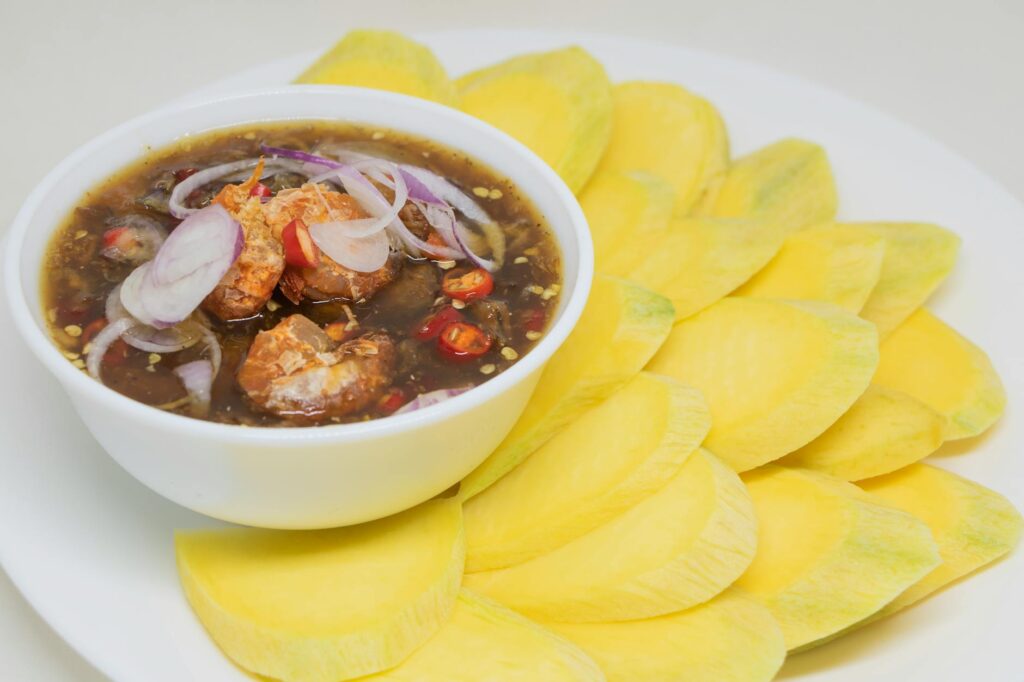
Mango: Origins and Evolution
Introduction
The mango, known scientifically as Mangifera indica, is often hailed as the “king of fruits” due to its sweet flavor, unique aroma, and vibrant color. Beyond its culinary appeal, the mango holds a significant place in various cultures and traditions around the world. This article delves into the origins and evolution of this beloved fruit, exploring its history, production, and the myriad ways it is enjoyed globally.
What Is Mango?
The mango is a tropical stone fruit that belongs to the Anacardiaceae family, which also includes cashews and poison ivy. It is characterized by its fleshy, juicy pulp and a large, flat seed at its center. The fruit comes in various shapes, sizes, and colors, including shades of green, yellow, red, and orange, depending on the variety. Nutritionally, mangoes are rich in vitamins A and C, dietary fiber, and antioxidants, contributing to their popularity as a healthful snack and ingredient.
History and Origins
Mangoes have a rich history that dates back over 4,000 years. They are believed to have originated in the Indian subcontinent, specifically in the regions that now comprise India, Bangladesh, and Myanmar. Ancient texts, including the Vedas, reference mangoes, indicating their significance in early agricultural societies.
From India, the mango spread to Southeast Asia and East Africa through trade routes. By the 10th century, it had reached the Arabian Peninsula, and by the 15th century, it made its way to the Americas, brought by Portuguese explorers. Today, mangoes are cultivated in tropical and subtropical regions worldwide, with India being the largest producer, followed by countries like China, Thailand, Indonesia, and the Philippines.
Production and Processing
Mango cultivation thrives in tropical climates with well-drained soil and warm temperatures. The trees can grow up to 100 feet tall and produce fruit in various stages of ripeness. The harvest season typically occurs from late spring to early summer, depending on the region.
The processing of mangoes involves several steps to ensure quality and extend shelf life. Fresh mangoes are often washed, sorted, and graded based on size, color, and ripeness. They may be exported as fresh fruit, but they are also processed into products such as dried mango slices, mango puree, and juice. The drying process, for example, involves removing moisture from the fruit to enhance its shelf stability while concentrating its flavors.
Quality and Grading
The quality of mangoes is assessed through various grading standards that consider factors such as size, color, firmness, and absence of defects. The U.S. Department of Agriculture (USDA) has established grading standards for mangoes, categorizing them into three main grades:
1. U.S. Fancy: The highest quality, with excellent color and shape, and minimal defects.
2. U.S. No. 1: Good quality, with some superficial blemishes but still appealing for consumption.
3. U.S. No. 2: Lower quality, with more significant defects and blemishes; often used for processing rather than fresh consumption.
Consumers should seek well-colored, firm mangoes that yield slightly to gentle pressure, indicating ripeness without being overly soft or mushy.
Buying Considerations
When purchasing mangoes, consumers should consider several factors to ensure they select the best fruit:
- Ripeness: Depending on personal preference, some may prefer ripe mangoes with a soft texture, while others might choose firmer fruit that will ripen at home.
- Color: Look for vibrant colors that indicate ripeness. However, not all varieties change color uniformly, so familiarity with the specific type can be beneficial.
- Origin: Knowing where the mangoes are sourced can provide insight into their quality and flavor profile. Different regions produce distinct varieties with unique characteristics.
- Seasonality: Mangoes are typically in season during specific months, depending on the region. Buying in season often ensures better flavor and lower prices.
- Fresh Consumption: Sliced or cubed, mangoes make a refreshing snack or can be added to fruit salads.
- Smoothies and Juices: Mango puree is a popular ingredient in smoothies and beverages, providing a tropical flavor.
- Savory Dishes: In several cuisines, mangoes are used in salads, salsas, and curries, adding a sweet note to savory dishes.
- Desserts: Mangoes are often incorporated into desserts, such as sorbets, ice creams, and pastries.
- Culinary Garnish: The fruit’s vibrant color and texture make it an attractive garnish for various dishes.
- All Mangoes Are the Same: In reality, there are hundreds of mango varieties, each with distinct flavors, textures, and appearances. Varieties like Alphonso, Haden, and Tommy Atkins are just a few examples, each prized for different characteristics.
- Mangoes Are Only
Uses and Applications
Mangoes are versatile fruits that can be used in a variety of culinary applications. They can be enjoyed fresh, dried, or processed into products like juice, chutneys, and sauces. Here are some common uses:
Storage and Shelf Life
To maintain the quality of mangoes, proper storage is essential. Unripe mangoes should be kept at room temperature until they ripen. Once ripe, they can be stored in the refrigerator, where they will last for about five to seven days. For longer storage, mangoes can be frozen, either as slices or puree, retaining their flavor and nutritional value for several months.
It is advisable to avoid storing mangoes in plastic bags, as this can trap ethylene gas and hasten overripening.
Common Misconceptions
Despite their popularity, several misconceptions about mangoes persist: