
Mango Production by Country
Introduction
The mango, often referred to as the “king of fruits,” is celebrated for its luscious taste, vibrant color, and versatility. With its origins in South Asia, the mango has transcended borders, becoming a beloved ingredient in various cuisines around the world. This article delves into the regions where mangoes are cultivated, exploring the nuances of production, processing, quality, and the global market.
What Is Regions?
In the context of mango production, “regions” refers to the geographical areas where mangoes are grown, harvested, and processed. These regions can be defined by climatic conditions, soil types, agricultural practices, and the cultural significance of the fruit. Major mango-producing countries, such as India, China, Thailand, and Mexico, each offer unique varieties and cultivation methods that contribute to the global mango supply.
History and Origins
The mango’s history can be traced back over 4,000 years to the Indian subcontinent, where it was first cultivated. Ancient texts from India mention mangoes as symbols of love and fertility. Over the centuries, the fruit spread to Southeast Asia, the Middle East, and eventually to Africa and the Americas. The Portuguese played a significant role in introducing mangoes to Brazil and the Caribbean during the 16th century.
Today, mangoes are grown in tropical and subtropical regions around the globe, with India standing out as the largest producer, accounting for nearly half of the world’s mango production. Other countries have also embraced mango cultivation, contributing to a diverse array of varieties and flavors.
Production and Processing
Major Mango-Producing Countries
1. India: India is the largest producer of mangoes, growing over 40 million metric tons annually. Varieties such as Alphonso, Himsagar, and Dasheri are particularly prized for their flavor and aroma. The country’s extensive irrigation systems and favorable climate contribute to its production capabilities.
2. China: As the second-largest producer, China cultivates mangoes primarily in the southern provinces like Guangdong and Hainan. The country has seen a rise in both domestic consumption and export, with varieties like the Chinese Honey mango gaining popularity.
3. Thailand: Known for its unique varieties such as Nam Dok Mai and Keo Savoy, Thailand produces nearly 3 million metric tons of mangoes annually. The country’s favorable tropical climate and rich agricultural practices make it a significant player in the global mango market.
4. Mexico: Mexico is a key exporter of mangoes, particularly to the United States. The Ataulfo and Haden varieties are widely recognized, and the country benefits from a long growing season and favorable agricultural policies.
5. Pakistan: Producing around 2 million metric tons annually, Pakistan is known for its Chaunsa and Sindhri varieties. The country’s mangoes are celebrated for their sweetness and aroma, making them popular in both domestic and international markets.
Processing
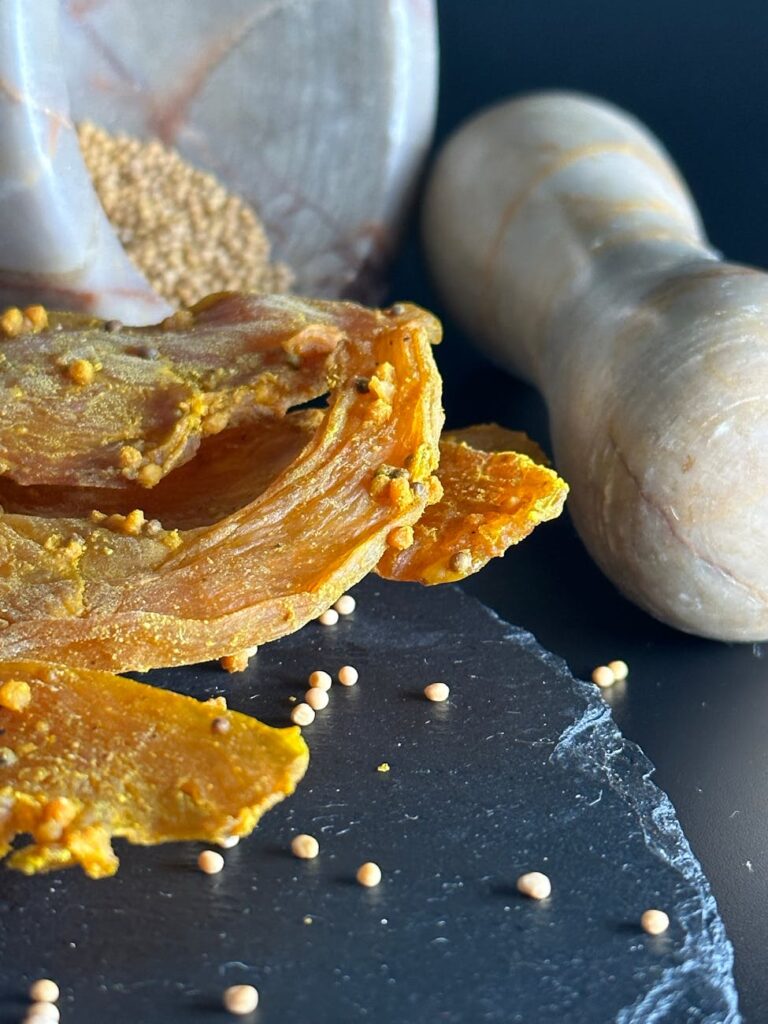
Mangoes undergo various processing methods, including drying, canning, and juicing, to extend their shelf life and enhance their usability. The drying process, for example, involves removing moisture from the fruit, resulting in dried mango slices that are popular snacks. Canned mangoes are often used in desserts, salads, and smoothies, while mango pulp is a key ingredient in beverages and sauces.
Quality and Grading
The quality of mangoes is determined by several factors, including size, color, firmness, and sugar content. The grading system varies by country, but generally, mangoes are classified into different grades based on these criteria:
- Grade A: Premium quality, uniform in size and color, with minimal blemishes.
- Grade B: Good quality, slight imperfections, and variations in size and color.
- Grade C: Lower quality, with evident blemishes and irregularities, often used for processing.
- Ripening: Store unripe mangoes at room temperature until they ripen. Once ripe, they can be kept in the refrigerator to prolong shelf life.
- Refrigeration: Ripe mangoes can last for about 5-7 days in the refrigerator. It’s advisable to store them in a perforated plastic bag to allow for air circulation.
- Freezing: For long-term storage, mangoes can be peeled, diced, and frozen. Frozen mangoes can retain their quality for up to six months and are ideal for smoothies and desserts.
Evaluating the quality of mangoes is essential for both buyers and consumers, as it influences market prices and consumer satisfaction.
Buying Considerations
When purchasing mangoes, several factors should be taken into account:
1. Variety: Different varieties offer unique flavors, textures, and uses. Understanding the characteristics of each variety can aid in selecting the right mango for culinary needs.
2. Ripeness: The ripeness of a mango is crucial for its taste and texture. A ripe mango will yield slightly to pressure and have a fragrant aroma. Unripe mangoes can be left at room temperature to ripen.
3. Origin: Knowing the country of origin can provide insights into the mango’s flavor profile and quality. Some regions are known for specific varieties that may be more desirable based on culinary use.
4. Seasonality: Mangoes have peak seasons based on geographical regions. Understanding these seasons can help consumers find the freshest produce.
Uses and Applications
Mangoes are incredibly versatile and can be used in a myriad of culinary applications. They can be eaten fresh, juiced, or incorporated into salads, salsas, desserts, and sauces. In many cultures, mangoes are also used in cooking; for instance, unripe mangoes are often pickled or used in savory dishes.
In addition to their culinary uses, mangoes are a popular ingredient in beauty products and cosmetics due to their nourishing properties. Mango butter, extracted from the seeds, is used in various skincare products for its moisturizing benefits.
Storage and Shelf Life
Proper storage is essential for maintaining the freshness and quality of mangoes. Here are some key points on storage:
Common Misconceptions
Despite their popularity, mangoes are often surrounded by misconceptions:
1. Mangoes Are Only Tropical Fruits: While they thrive in tropical climates, certain varieties can be grown in subtropical regions, expanding their availability.
2. All Mangoes Are the Same: With hundreds of varieties available, each mango offers unique flavors and textures. Understanding these differences can enhance culinary experiences.
3. Mangoes Are Only for Desserts: While they are commonly used in sweet dishes, mangoes can also enhance savory meals, salads, and salsas, proving their versatility.
Frequently Asked Questions
1. What is the best way to choose a ripe mango?
A ripe mango should have a fragrant aroma and yield slightly to gentle pressure. Look for a mango with a vibrant color and smooth skin, avoiding those with excessive blemishes or dark spots.
2. How can I ripen mangoes quickly?
To ripen mangoes faster, place them in a paper bag at room temperature. The ethylene gas produced will accelerate the ripening process. Adding an apple or banana to the bag can further enhance this effect.
3. What are the most popular mango varieties?
Some of the most popular varieties include Alphonso, Haden, Kent, and Tommy Atkins. Each variety has distinct flavors and textures, catering to different culinary uses.
4. Can mangoes be eaten when they are unripe?
Yes, unripe mangoes are commonly used in various cuisines. They can be pickled, added to salads, or cooked in savory dishes, providing a tangy flavor.
5. How should I store mangoes to keep them fresh?
Store unripe mangoes at room temperature until they ripen. Ripe mangoes can be refrigerated for up to a week, and for long-term storage, they can be frozen after peeling and dicing.
6. Are there any nutritional benefits to eating mangoes?
Mangoes are rich in vitamins A and C, fiber, and antioxidants. They are a nutritious addition to a balanced diet, but it’s essential to consume them in moderation, especially for those monitoring their sugar intake.
Conclusion
Mangoes hold a significant place in global cuisine and culture, with their production deeply rooted in the agricultural practices of various countries. Understanding the regions of mango production, along with the history, processing methods, and quality considerations, can enhance appreciation for this exquisite fruit. With their versatility and delightful flavor, mangoes continue to captivate palates worldwide, solidifying their status as a beloved ingredient across cultures.