
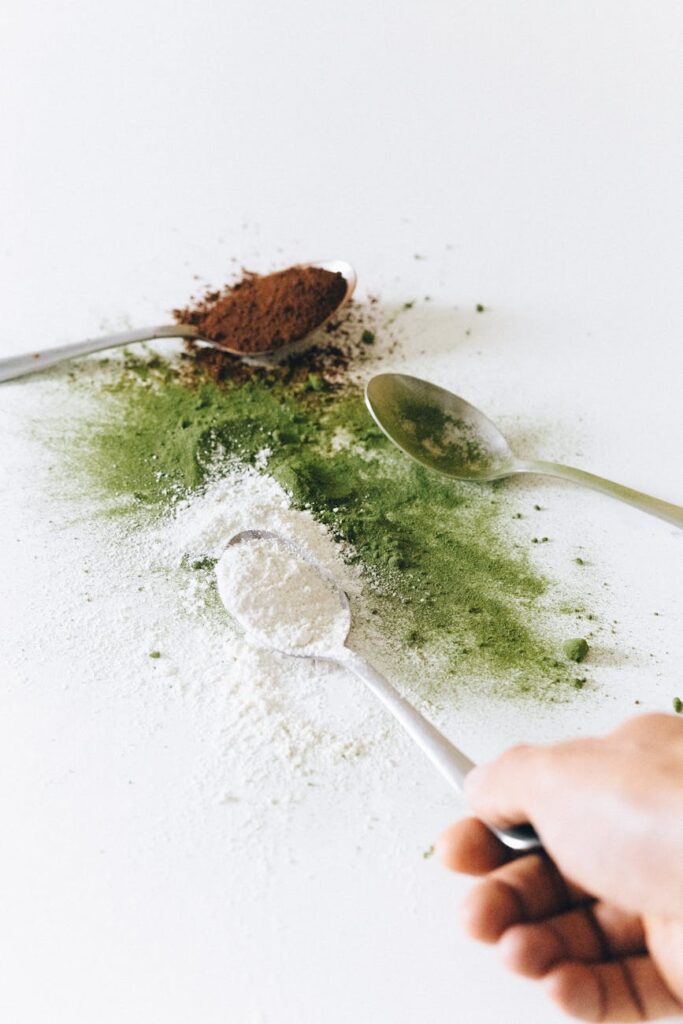
Matcha Growing Guide Part 7
Introduction
Matcha, a finely ground powder made from specially cultivated green tea leaves, has gained immense popularity in recent years, elevating its status from a traditional Japanese beverage to a global culinary ingredient. This guide delves into the intricacies of growing matcha, exploring its origins, production techniques, and the factors that influence its quality. Whether you are a passionate gardener, a culinary professional, or a matcha enthusiast, understanding these elements will enhance your appreciation and utilization of this unique ingredient.
What Is Growing?
Growing, in the context of matcha, refers to the cultivation process of the Camellia sinensis plant, specifically the method used to produce high-quality green tea leaves suitable for matcha production. This involves several stages, from planting and nurturing the tea plants to harvesting and processing the leaves. The cultivation of matcha is a meticulous endeavor that requires specific climatic conditions, soil types, and careful agricultural practices to ensure optimal flavor and quality.
History and Origins
Matcha’s roots can be traced back to ancient China, where tea was first consumed in powdered form during the Tang Dynasty (618–907 CE). However, it was in Japan during the late 12th century that matcha truly flourished, thanks to the introduction of tea seeds by Buddhist monk Eisai. The Zen Buddhist culture embraced matcha for its meditative qualities, leading to the establishment of the Japanese tea ceremony. Over time, matcha became synonymous with Japanese culture, symbolizing tranquility and mindfulness.
Today, matcha is produced predominantly in Japan, with regions such as Uji, Nishio, and Shizuoka recognized for their superior-quality matcha. The combination of unique climatic conditions, traditional cultivation techniques, and an emphasis on craftsmanship has contributed to Japan’s reputation as the home of matcha.
Production and Processing
The production of matcha is a labor-intensive process that begins with the careful cultivation of tea plants. Here’s a detailed look at each step involved:
1. Cultivation
Matcha is grown from shade-grown tea plants, which are typically covered with shade cloth or natural canopies for several weeks before harvest. This shading process increases chlorophyll production, enhancing the leaves’ rich green color and complex flavor profile. The ideal conditions for cultivating matcha include:
- Climate: Temperatures between 15°C to 25°C (59°F to 77°F) are optimal.
- Soil: Well-drained, nutrient-rich soil with a slightly acidic pH (around 6.0 to 6.5) is ideal for growth.
- Origin: Look for matcha that is sourced from Japan, as this region is known for its superior-quality tea.
- Color: High-quality matcha should have a vibrant green color, indicating freshness and high chlorophyll content.
- Texture: The powder should be fine and silky, without any clumps.
- Aroma: Fresh matcha should have a rich, grassy aroma, free from any off-putting scents.
- Packaging: Opt for matcha that is packaged in airtight containers to preserve its freshness and flavor.
- Beverages: Matcha lattes, smoothies, and cocktails are popular ways to enjoy this ingredient.
- Baked Goods: Cookies, cakes, and pastries can benefit from matcha’s unique flavor and color.
- Savory Dishes: Chefs are increasingly exploring matcha
2. Harvesting
The leaves are hand-harvested typically in late spring when they are young and tender. Only the top two leaves and the bud are picked, as these contain the most nutrients and flavor. This selective harvesting ensures that the final product is of the highest quality.
3. Steaming
Immediately after harvesting, the leaves are steamed to halt oxidation, preserving their vibrant green color and fresh flavor. This step is crucial to prevent fermentation, which can alter the taste and aroma of the leaves.
4. Drying
Following steaming, the leaves are dried to remove excess moisture. This can be done using hot air or fan drying methods. Proper drying is essential for preventing mold and ensuring a long shelf life.
5. Grinding
Once dried, the leaves are de-stemmed and de-veined before being finely ground using traditional stone mills or modern grinding machines. The grinding process is slow and meticulous, producing a fine powder that is characteristic of high-quality matcha.
Quality and Grading
The quality of matcha is determined by several factors, including the cultivation methods, the age of the leaves, and the processing techniques. Matcha is typically graded into three main categories:
1. Ceremonial Grade
This is the highest quality matcha, suitable for traditional tea ceremonies. It is made from the youngest leaves, offering a delicate flavor and vibrant color. Ceremonial grade matcha is often used in high-end culinary applications and is prized for its smooth, rich taste.
2. Premium Grade
Premium grade matcha is slightly less vibrant than ceremonial grade but still provides excellent flavor. It is suitable for everyday consumption and can be used in various culinary applications, such as lattes and desserts.
3. Culinary Grade
Culinary grade matcha is often used in baking, cooking, and beverage creation. It is typically made from older leaves and has a more robust flavor that can stand up to other ingredients. While it may not possess the same delicate qualities as higher grades, it is versatile and cost-effective for everyday use.
Buying Considerations
When purchasing matcha, several factors should be considered to ensure quality and authenticity:
Uses and Applications
Matcha’s versatility extends beyond being a traditional beverage. It can be incorporated into various culinary applications, enhancing both flavor and visual appeal. Its vibrant green color makes it an attractive addition to: