
Miso: About Guide Part 6
Introduction
Miso is a revered ingredient in Japanese cuisine, known for its rich umami flavor and versatility in various dishes. This fermented soybean paste has transcended cultural boundaries and is now celebrated globally for its nutritional benefits and unique taste. In this guide, we will delve into the multifaceted world of miso, exploring its history, production methods, applications, and much more.
What Is Miso?
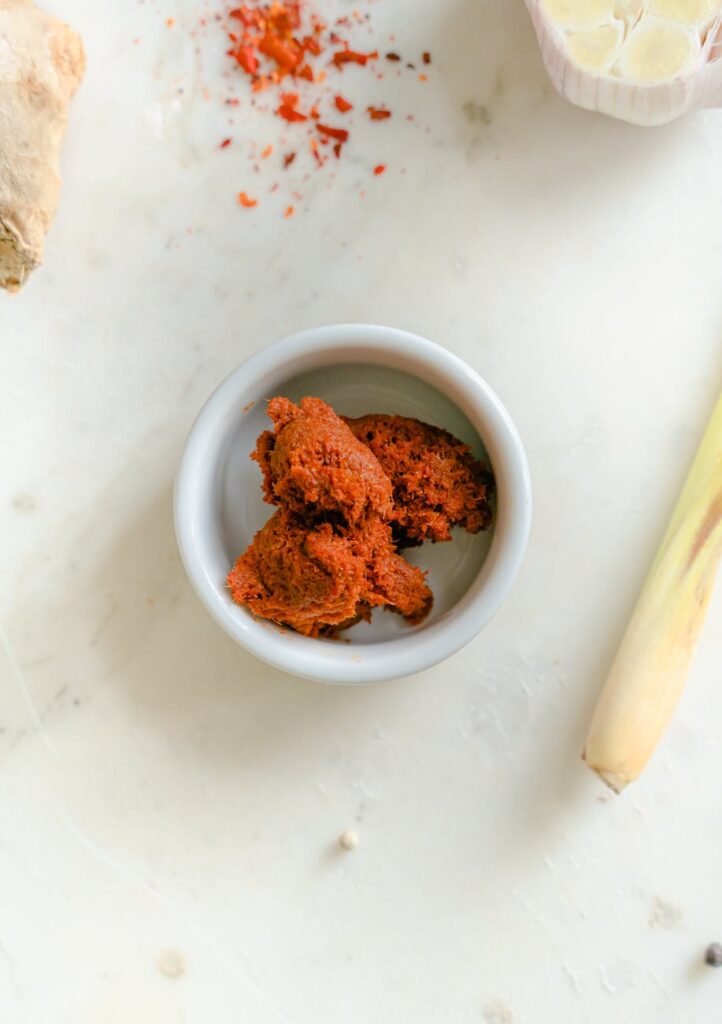
Miso is a traditional Japanese seasoning produced by fermenting soybeans with salt and a specific mold called Aspergillus oryzae, commonly known as koji. The fermentation process may also include other ingredients such as rice, barley, or millet, depending on the type of miso being produced. The result is a thick paste that ranges in color from white to dark brown, with corresponding variations in flavor, saltiness, and aroma. Miso is not only a staple in Japanese kitchens but is increasingly used in international cooking, showcasing its adaptability and broad appeal.
History and Origins
The origins of miso can be traced back over a thousand years to ancient China, where it was initially made as a type of fermented condiment. It is believed that Buddhist monks brought the technique of fermentation to Japan during the introduction of Buddhism in the 6th century. The term “miso” itself is derived from the Japanese word “miso,” which translates roughly to “flavor” or “taste.”
In Japan, miso became an essential part of the diet, especially during the Edo period (1603-1868), when the production of miso expanded significantly. Different regions began to develop their unique styles of miso, leading to a rich diversity of flavors and textures that are still celebrated today.
Production and Processing
The production of miso is a meticulous process that involves several steps:
1. Soaking and Steaming: Soybeans are soaked in water for several hours, then steamed until soft. This step is crucial for ensuring that the beans can be easily fermented.
2. Koji Cultivation: The steamed soybeans are inoculated with koji mold, which begins the fermentation process. This step can take around 24 hours, during which the mold multiplies and breaks down the starches in the soybeans into sugars.
3. Mixing: The koji-infused soybeans are then mixed with salt and any additional ingredients, such as rice or barley, depending on the desired type of miso.
4. Fermentation: The mixture is placed in fermentation containers, where it is left to mature. Fermentation times can range from a few weeks to several years, with longer fermentation resulting in deeper, more complex flavors.
5. Packaging: Once fermentation is complete, the miso is packed for sale, often in vacuum-sealed containers to preserve its freshness.
The entire process requires careful monitoring of temperature and humidity, as these factors significantly affect the final product’s flavor and quality.
Quality and Grading
The quality of miso is influenced by various factors, including the ingredients used, fermentation time, and production methods. In Japan, miso is often graded based on color, flavor, and aroma. The primary categories include:
- Shiro Miso (White Miso): This type is made with a higher proportion of rice koji and has a shorter fermentation period. It is light in color and flavor, making it ideal for dressings and soups.
- Aka Miso (Red Miso): With a longer fermentation process, red miso is darker and has a more robust, salty flavor. It is often used in heartier dishes.
- Awase Miso (Mixed Miso): This type blends different types of miso, typically combining the qualities of both white and red miso for a balanced flavor profile.
- Soups and Broths: Miso is most famously used in miso soup, where it adds depth and richness to the broth.
- Dressings and Marinades: Its robust flavor lends itself well to salad dressings and marinades, enhancing the taste of grilled vegetables, fish, or meats.
- Sauces: Miso can serve as a base for sauces, combining with ingredients like sesame oil, vinegar, or citrus for a zesty dip or glaze.
- Fermented Foods: Miso can also be combined with other fermented ingredients to create complex flavors, such as in pickling vegetables.
- Baking and Confectionery: Innovative chefs have begun incorporating miso into baked goods, providing a unique umami twist to cookies, cakes, and even chocolates.
Beyond these primary categories, some artisanal producers create unique blends that may incorporate various grains or local ingredients, further enhancing the range of flavors available.
Buying Considerations
When selecting miso, several factors should be considered to ensure quality and suitability for your culinary needs:
1. Type: Choose the type of miso that best aligns with your intended use. For lighter soups, white miso is preferable, while red miso works well in marinades and hearty stews.
2. Ingredients: Look for miso made with natural ingredients without additives or preservatives. Organic options are also available for those seeking cleaner products.
3. Fermentation Time: If possible, inquire about the fermentation time, as longer fermentation typically yields richer flavors.
4. Packaging: Opt for vacuum-sealed containers or jars that protect the miso from exposure to air, which can degrade its quality over time.
5. Local vs. Imported: Consider trying locally produced miso, as many regions are developing their unique styles that may offer exciting new flavors and uses.
Uses and Applications
Miso’s versatility makes it a prized ingredient in various culinary applications, ranging from traditional to contemporary dishes. Some common uses include:
##