
Miso Butter FAQs Answered
Introduction
Miso butter is a unique and versatile ingredient that combines the umami-rich flavors of miso with the creamy texture of butter. It has gained popularity in culinary circles for its ability to elevate dishes with a sophisticated fusion of tastes. This article aims to answer frequently asked questions about miso butter, providing a comprehensive understanding of its history, production, uses, and more.
What Is Miso Butter?
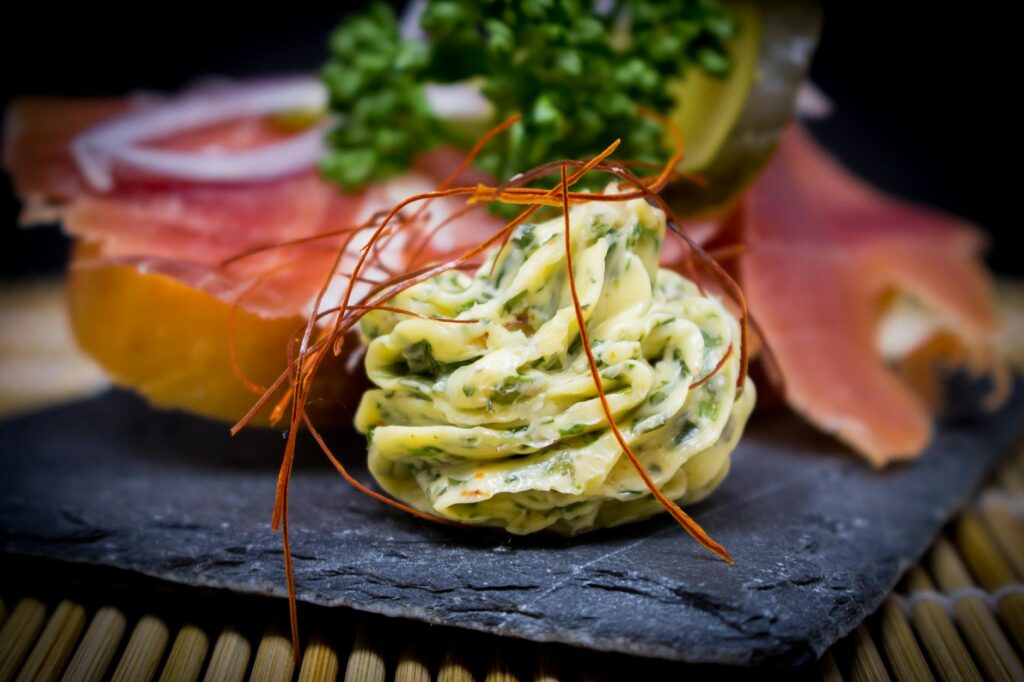
Miso butter is a compound butter that typically blends miso paste—fermented soybean paste—with softened or melted butter. The result is a creamy spread or flavoring agent that encapsulates the savory, complex flavors of miso while adding a rich, buttery texture. Miso butter can be used in a variety of culinary applications, enhancing everything from grilled vegetables to seafood and even baked goods.
History and Origins
The origins of miso date back over a thousand years in Japan, where it has been a staple of the diet. Traditionally, miso is made from fermented soybeans, salt, and a fermenting agent called koji. It is a fundamental ingredient in Japanese cuisine, often found in soups, marinades, and dressings.
The fusion of miso with butter is a more contemporary culinary innovation, likely emerging as global cuisine became more interconnected. Chefs began experimenting with miso butter to merge traditional Japanese flavors with Western cooking techniques, resulting in a versatile ingredient that appeals to modern palates.
Production and Processing
Making Miso Butter
The production of miso butter is relatively straightforward. It begins with high-quality butter, typically unsalted, which is softened to allow for easier mixing. The chosen miso paste—white, yellow, or red—is then blended into the butter until a uniform consistency is achieved.
The proportions of miso to butter can vary based on personal taste and the intended application. Some may prefer a stronger miso flavor, while others might want a more subtle hint. After mixing, the compound butter can be shaped into logs, wrapped in parchment paper, and refrigerated until firm.
Types of Miso
The flavor profile of miso butter can vary significantly depending on the type of miso used. White miso (shiro) is milder and sweeter, yellow miso (shinshu) has a balanced flavor, and red miso (aka) is more robust and salty. Each type imparts its unique characteristics to the butter, making it crucial for culinary applications.
Quality and Grading
The quality of miso butter largely depends on the quality of its components. High-quality butter should be free from additives and preservatives, while the miso should be made from organic soybeans and traditional fermentation processes.
When assessing miso paste, look for products that indicate they are naturally fermented and free from artificial flavors. The texture should be smooth, and the aroma should be rich and fragrant. If purchasing pre-made miso butter, consider brands known for their artisanal production methods.
Buying Considerations
When purchasing miso butter, several factors should be considered:
1. Type of Miso: As previously mentioned, the type of miso will significantly affect flavor. Consider what culinary applications you have in mind.
2. Quality: Opt for products made with high-quality, organic ingredients. Look for artisanal brands that emphasize traditional production methods.
3. Freshness: Check expiration dates and packaging for signs of freshness. Miso butter should be stored in a cool environment to maintain its quality.
4. Dietary Restrictions: For those with dietary restrictions, it is essential to check ingredient labels for allergens or additives.
5. Sourcing: If possible, purchase from reputable local suppliers or specialty stores that focus on high-quality ingredients.
Uses and Applications
Miso butter can be used in a myriad of ways, making it a versatile addition to any kitchen:
- Spread: Use it as a flavorful spread on toast or sandwiches.
- Seasoning: Incorporate it into marinades for meats or vegetables to enhance umami flavors.
- Cooking: Add it to sautéed or roasted vegetables for a rich finish.
- Baking: Experiment by incorporating it into baked goods for a unique flavor twist.
- Finishing Touch: A small dollop can elevate soups or sauces, adding depth and richness.
Storage and Shelf Life
Miso butter should be stored in the refrigerator to maintain its freshness. When properly wrapped or sealed in an airtight container, it can last for several weeks. If you want to extend its shelf life, consider freezing it. Freezing does not significantly alter its flavor or texture, making it easy to portion out for future use.
When thawing frozen miso butter, do so in the refrigerator rather than at room temperature to prevent any quality degradation.
Common Misconceptions
Miso butter often comes with a few misconceptions that can lead to confusion:
1. It’s Just Butter: Many assume miso butter is simply butter flavored with miso. In reality, the fermentation process of miso adds complexity that enhances the butter.
2. High Sodium Content: While miso contains salt, the quantity used in miso butter can be adjusted. Many culinary applications will balance flavors, so it need not be excessively salty.
3. Limited Use: Some believe miso butter is only suitable for Asian cuisine. This misunderstanding overlooks its versatility, as it can be incorporated into various global dishes.
4. Allergies: There is a common misconception that miso contains gluten. While traditional miso is often made with barley, many gluten-free options are available, particularly those made from rice or other gluten-free grains.
Frequently Asked Questions
1. What is the difference between miso butter and regular butter?
Miso butter incorporates miso paste, which adds umami flavor and complexity to the butter, while regular butter is simply a dairy product without the additional flavor dimension.
2. Can I make miso butter at home?
Yes, making miso butter at home is simple and requires only two primary ingredients: butter and miso paste. Adjust the proportions based on your flavor preferences.
3. How long does miso butter last in the refrigerator?
When properly stored in an airtight container, miso butter can last for about two to three weeks in the refrigerator. It can be frozen for longer storage.
4. Can I use different types of miso in miso butter?
Absolutely! Different types of miso (white, yellow, red) will impart different flavors. Experiment to find the combination that suits your palate.
5. Is miso butter suitable for vegans?
Traditional miso butter is not vegan, as it contains dairy butter. However, you can create a vegan version by substituting regular butter with plant-based alternatives.
6. How can I use miso butter in cooking?
Miso butter can be used in a variety of ways, including as a spread, seasoning for meats and vegetables, or a finishing touch for soups and sauces. Its versatility allows it to complement many dishes across different cuisines.
Conclusion
Miso butter is an innovative ingredient that brings a wealth of flavor and versatility to the culinary world. Understanding its origins, production, and applications can enhance your cooking experience, allowing you to explore new dimensions of taste. Whether you make it at home or purchase it from a specialty store, miso butter is sure to elevate your dishes and delight your palate.