
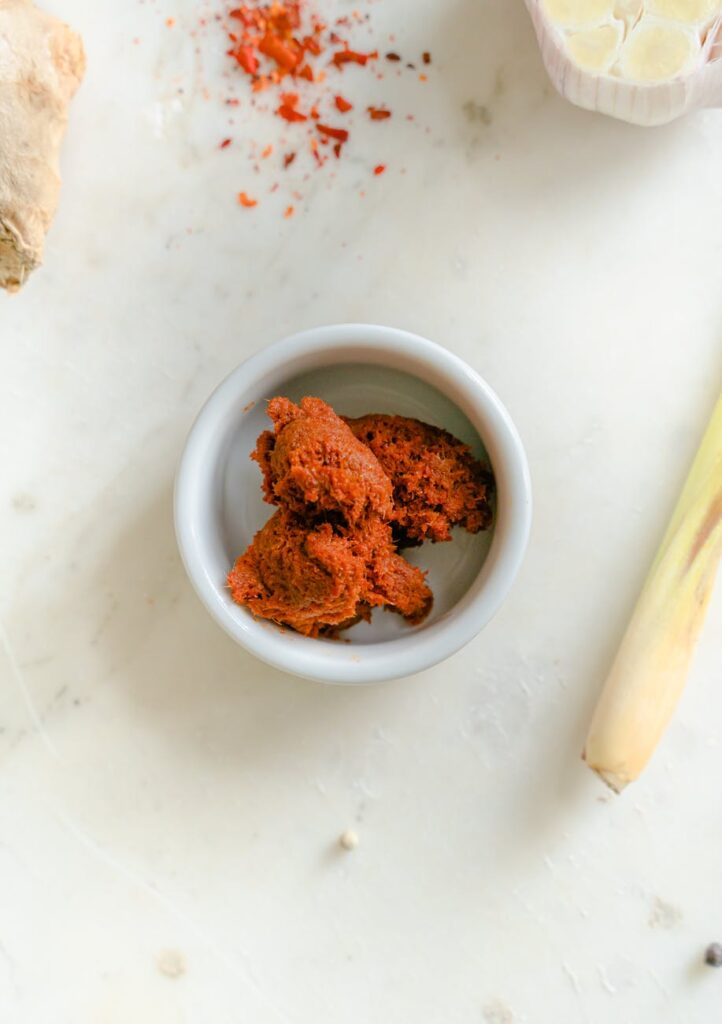
Miso: Buying Guide Part 6
Introduction
Miso, a traditional Japanese fermented soybean paste, has gained global recognition for its umami flavor and nutritional benefits. As a versatile ingredient, it can enhance a variety of dishes, from soups and marinades to dressings and dips. Understanding how to buy miso can significantly impact your culinary experience, ensuring that you select the best quality for your needs. This guide will delve into the various aspects of buying miso, from its historical roots to practical considerations for choosing the right type.
What Is Buying?
In the context of food ingredients, “buying” refers to the process of selecting and purchasing products based on quality, suitability, and value. It encompasses understanding the origins of the ingredient, evaluating its quality, and making informed decisions that align with culinary needs and personal preferences. For miso, this involves navigating the various types available, assessing their flavor profiles, and understanding their uses in cooking.
History and Origins
Miso’s history dates back over a thousand years to ancient China, where it was known as “jiang.” The technique of fermenting soybeans spread to Japan around the 7th century, where it evolved into the distinctive ingredient we know today. Initially used as a food preservative, miso became a staple in Japanese cuisine, valued for its flavor and nutritional properties. The fermentation process transforms the soybeans, creating a complex flavor profile that varies significantly based on the ingredients and methods used.
Miso has seen a resurgence in popularity beyond Japan, as chefs and home cooks alike explore its potential in modern cuisine. The global culinary landscape has embraced miso, recognizing its versatility and depth of flavor.
Production and Processing
The production of miso involves several key steps: selection of ingredients, fermentation, and aging. Traditionally, miso is made from soybeans, salt, and a fermenting agent known as koji, which is cultivated from the mold Aspergillus oryzae. The process begins with soaking and cooking the soybeans, which are then mashed and mixed with koji and salt. The mixture is placed in fermentation containers, where it is allowed to ferment for a specified period—ranging from a few months to several years.
The duration and conditions of fermentation significantly affect the flavor, texture, and color of the final product. Shorter fermentation times result in lighter, sweeter miso, while longer aging produces deeper, saltier flavors. The water quality, temperature, and even the local environment contribute to the unique characteristics of each batch.
Quality and Grading
Miso quality can vary widely, influenced by factors such as ingredient quality, fermentation time, and production methods. High-quality miso is typically made from organic soybeans and minimal additives. When evaluating miso, consider the following grading criteria:
1. Color: Miso can range from light beige to dark brown. Generally, lighter misos (such as white miso, or shiro) are sweeter, while darker varieties (like red miso, or akamiso) tend to be saltier and more robust.
2. Texture: Good-quality miso should have a smooth, creamy texture, free from lumps or dryness.
3. Flavor: The flavor profile should be balanced, without excessive saltiness or bitterness.
4. Ingredients: Look for miso made with whole ingredients and minimal preservatives. The best misos will only list soybeans, salt, and koji on their ingredients label.
5. Origin: Traditional miso from specific regions in Japan may carry a designation of origin, indicating adherence to traditional production methods.
Buying Considerations
When purchasing miso, several factors should be taken into account to ensure you select the right type for your culinary needs:
1. Type of Miso: Familiarize yourself with the different types of miso:
- White Miso (Shiro): Mild and sweet; ideal for salad dressings and light soups.
- Red Miso (Akamiso): Stronger and saltier; excellent for marinades and hearty soups.
- Mixed Miso (Awase): A blend of white and red; versatile for various applications.
- Soups: Miso soup is a classic dish that highlights the ingredient’s flavor. It can be enhanced with tofu, seaweed, and vegetables.
- Dressings: Whisking miso into vinaigrettes adds depth and umami to salads.
- Marinades: Miso can be used to marinate meats, fish, and vegetables, imparting a rich flavor profile.
- Dips and Spreads: Combining miso with yogurt or cream cheese can create delicious dips for vegetables or crackers.
- Savory Baked Goods: Incorporating miso into bread or pastry doughs can create unique savory flavors.
2. Packaging: Miso is typically sold in tubs, jars, or vacuum-sealed packets. Choose packaging that protects the miso from air and light to preserve freshness.
3. Storage Instructions: Check for storage recommendations on the label. Some misos require refrigeration after opening, while others may have a longer shelf life.
4. Brand Reputation: Opt for brands known for quality production methods and transparency regarding sourcing and ingredients.
5. Price: Quality miso may be more expensive, but it often reflects superior ingredients and craftsmanship. Consider your budget while prioritizing quality.
Uses and Applications
Miso is an incredibly versatile ingredient that can be utilized in a variety of culinary applications:
Storage and Shelf Life
Proper storage is crucial to maintain the quality and flavor of miso. Unopened miso can be stored in a cool, dark place, such as a pantry, for up to a year. Once opened, it is best to refrigerate miso to slow the fermentation process and prevent