
Miso Caramel in Traditional Cuisine
Introduction
Miso caramel is an intriguing fusion ingredient that marries the umami-rich essence of miso with the sweet, buttery characteristics of caramel. This unique combination has gained traction in modern culinary practices, but its roots and applications can be traced back through traditional cuisines, particularly in Japan. As chefs and home cooks alike seek innovative ways to enhance flavors and create memorable dishes, understanding the traditional context of miso caramel can provide valuable insights into its uses and applications.
What Is Miso Caramel?
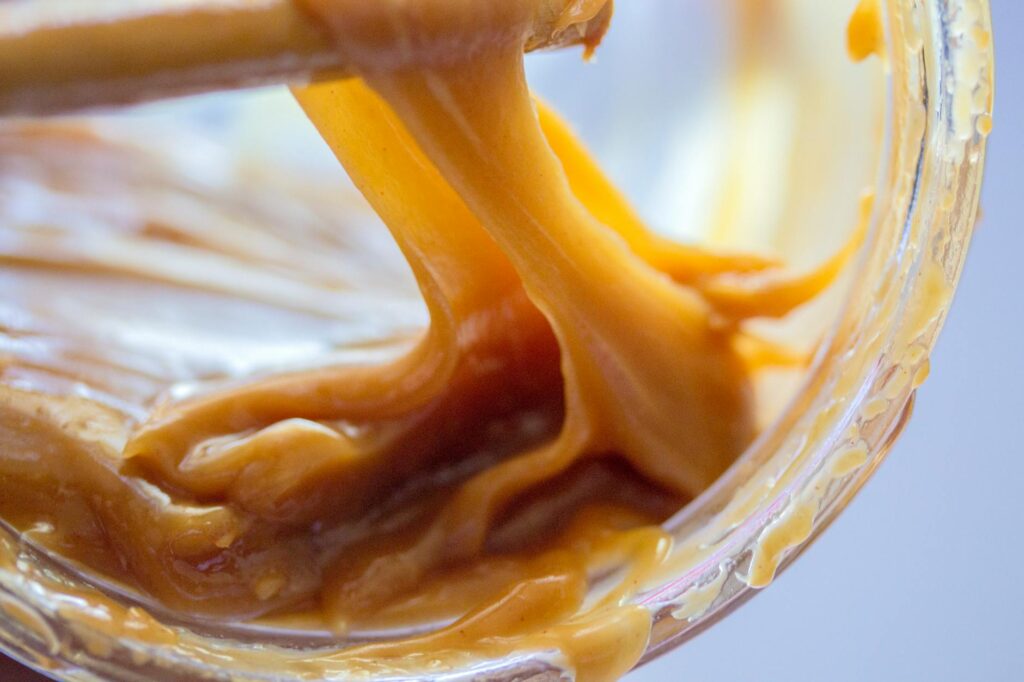
Miso caramel is a sweet sauce made by blending miso—fermented soybean paste—with caramelized sugar, butter, and often cream. This marriage of flavors results in a complex sauce that balances the savory notes of miso with the sweetness of caramel. The primary types of miso used include white (shiro) and red (aka) miso, each contributing distinct flavor profiles. White miso tends to be sweeter and milder, while red miso offers a deeper, saltier flavor. The versatility of miso caramel makes it suitable for both sweet and savory applications.
History and Origins
The origins of miso date back over a thousand years in Japan, where it was initially used as a protein source. Traditionally, miso has been a staple in Japanese cuisine, featuring prominently in dishes such as miso soup and marinades. The pairing of miso with caramel is a more modern culinary innovation, likely emerging within the past few decades as chefs began to explore the boundaries of traditional ingredients.
The incorporation of miso into dessert applications is often attributed to the broader trend of reinterpreting traditional flavors in contemporary cuisine. Chefs around the world have started to experiment with miso in sweet applications, recognizing its ability to enhance sweetness while adding depth and complexity to flavor profiles.
Production and Processing
The production of miso caramel involves several key processes—each of which influences the final product’s flavor and quality. The first step is the preparation of the caramel, which involves gently heating sugar until it melts and turns golden brown. This process must be closely monitored to avoid burning, as burnt caramel can impart an unpleasant bitterness.
Once the caramel reaches the desired color, butter and cream are added, creating a rich, silky texture. The next step is to incorporate miso, which not only enhances the flavor but also contributes to the umami profile. The resulting mixture is then blended until smooth, and the balance of sweet and savory is adjusted according to the desired outcome.
Quality and Grading
The quality of miso caramel can vary greatly based on the ingredients used and the production method. High-quality miso is typically made from organic soybeans and has a complex flavor profile, while artisanal caramel is crafted with care to achieve the right balance of sweetness and texture. When evaluating miso caramel, consider the following factors:
1. Ingredients: Look for natural ingredients without artificial flavors or preservatives. The best miso caramel will use high-quality miso, unsalted butter, and pure cane sugar.
2. Texture: A well-made miso caramel should be smooth and pourable, with a silky mouthfeel.
3. Flavor Balance: The interplay between sweetness and savoriness should be harmonious, with neither flavor dominating.
4. Aroma: A complex aroma that melds the sweet notes of caramel with the fermented scent of miso indicates a high-quality product.
Buying Considerations
When purchasing miso caramel, whether from artisanal producers or commercial brands, several considerations can guide your choice:
1. Source: Seek out reputable brands known for their commitment to quality. Many artisanal producers emphasize local and organic ingredients.
2. Type of Miso: Different types of miso can significantly affect the flavor of the caramel. Familiarize yourself with the characteristics of white and red miso to select the one that suits your needs.
3. Packaging: Look for products in airtight containers to ensure freshness. Glass jars are typically preferable to plastic for preserving flavor.
4. Taste Test: If possible, sample different brands to find one that resonates with your palate. The unique flavor profiles can vary considerably.
5. Price: While artisanal products may be more expensive, their quality often justifies the cost. Consider your budget while prioritizing quality.
Uses and Applications
Miso caramel can be employed in a variety of culinary contexts, making it a versatile ingredient in both savory and sweet dishes. Here are some notable applications:
Dessert Topping
One of the most popular uses for miso caramel is as a topping for desserts. Its complex flavor can elevate simple dishes such as vanilla ice cream or panna cotta, providing a delightful contrast to sweet creams and custards.
Sauces and Drizzles
Miso caramel can serve as a sauce for cakes, tarts, and pastries, adding depth to the overall flavor profile. Drizzling it over chocolate desserts can create a sophisticated balance between sweetness and richness.
Savory Pairings
Beyond desserts, miso caramel can enhance savory dishes. It can be used as a glaze for roasted vegetables or meats, imparting a unique flavor that complements the natural sugars in the ingredients. Pairing miso caramel with grilled fish or pork can create a delightful umami experience.
Salad Dressings
Incorporating miso caramel into salad dressings can add a unique twist to traditional vinaigrettes. Blending it with vinegar and oil can create a dressing that combines sweetness with acidity, perfect for drizzling over fresh greens.
Marinades
Miso caramel can be used as a marinade for proteins, lending a sweet and savory flavor that is particularly well-suited for grilling. The sugars in the caramel help to caramelize the exterior of meats, creating a pleasing texture and flavor.
Storage and Shelf Life
Proper storage is essential to maintain the quality of