
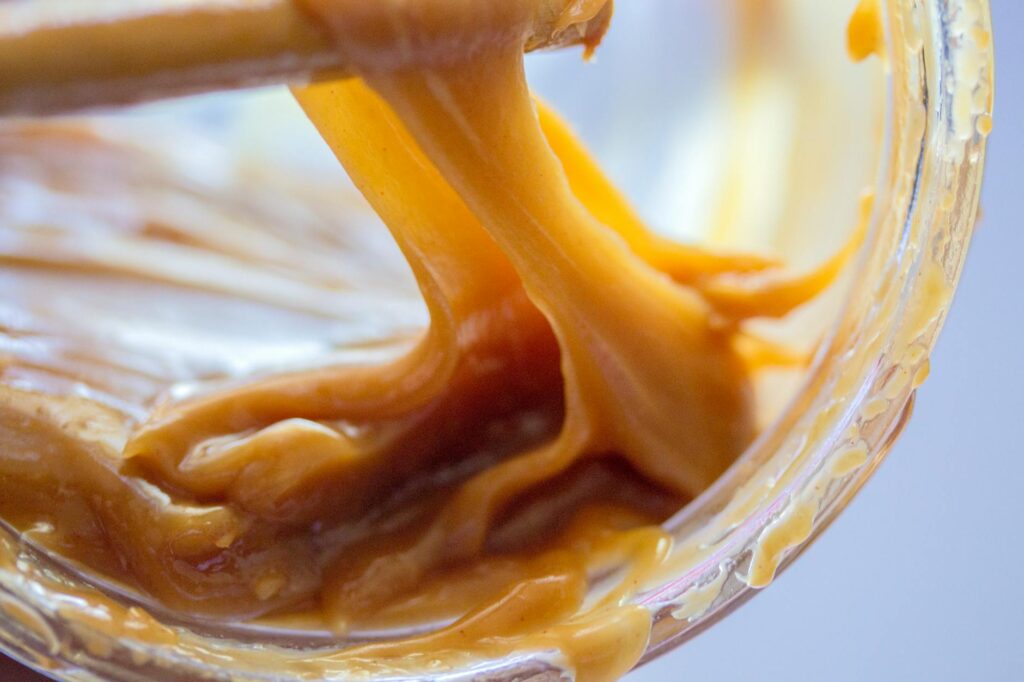
Miso Caramel Uses Guide Part 7
Introduction
Miso caramel, an intriguing fusion of traditional Japanese miso and the sweet, rich depth of caramel, has emerged as a standout ingredient in contemporary culinary practices. This unique ingredient not only tantalizes the taste buds but also showcases the versatility inherent in the realm of gastronomy. The harmonious blend of sweet and umami flavors opens up a world of possibilities for chefs and home cooks alike. This guide aims to explore the myriad uses of miso caramel, delving into its history, production, quality grading, and common misconceptions.
What Is Miso Caramel?
Miso caramel is a sophisticated condiment made by combining miso paste—fermented soybeans with a distinctive salty and umami profile—with caramel, typically composed of sugar, water, and sometimes cream or butter. The result is a glossy, flavorful sauce that seamlessly marries the deep, savory notes of miso with the sweet, buttery richness of caramel. This ingredient serves not only as a sauce but also as a flavor enhancer, providing a unique twist to a wide array of dishes.
History and Origins
The roots of miso date back over a thousand years to ancient Japan, where it was developed as a means of preserving food. Traditionally, miso was used primarily in soups and as a seasoning, but over time, its applications broadened. The concept of caramel, on the other hand, has European origins, with sugar being cooked to achieve a range of colors and flavors. The innovative combination of these two distinct culinary traditions represents a modern culinary trend that seeks to blend sweet and savory profiles, a hallmark of contemporary gastronomy. Miso caramel has gained traction in recent years, particularly in fusion cuisine, where chefs experiment with unconventional pairings to delight and surprise diners.
Production and Processing
The production of miso caramel typically involves a few essential steps. First, quality miso paste is selected, which can be either white (shiro), red (aka), or a blend, depending on the desired flavor profile. This miso is then combined with sugar, which is heated gently until it melts and caramelizes. Once the desired color and flavor are achieved, the mixture is cooled and blended until smooth. This process can also include the addition of cream or butter for a richer texture, although these ingredients are not always necessary. The resulting product can be jarred and stored for later use, making it a convenient ingredient for various culinary applications.
Quality and Grading
The quality of miso caramel is influenced by several factors, including the type of miso used, the caramelization process, and the balance between sweet and savory elements. Premium miso caramel typically features high-quality, naturally fermented miso made from organic soybeans, with no artificial additives. When grading miso caramel, factors such as flavor complexity, texture, and aroma are taken into consideration. A well-balanced miso caramel will have a rich umami flavor complemented by the sweetness of the caramel, with a smooth texture that lends itself well to drizzling or dipping.
Buying Considerations
When purchasing miso caramel, consumers should look for brands that prioritize quality ingredients. It is advisable to read labels carefully to ensure that the product is made with natural ingredients and free from preservatives or artificial flavors. Additionally, consider the type of miso used; white miso tends to be milder and sweeter, while red miso offers a stronger, more robust flavor. For those seeking to create their own miso caramel, sourcing high-quality miso paste and organic cane sugar is crucial for achieving the best results.
Uses and Applications
Miso caramel is a versatile ingredient that can be employed in various culinary applications, enhancing both sweet and savory dishes. Here are some notable uses:
Desserts
One of the most exciting applications of miso caramel is in desserts. Its unique flavor profile can elevate a simple panna cotta, ice cream, or cheesecake, transforming them into gourmet treats. Drizzling miso caramel over baked goods like brownies or tarts provides a delightful contrast to their sweetness, while also introducing a savory depth.
Sauces and Marinades
In savory cooking, miso caramel can serve as an innovative sauce or marinade for meats and vegetables. It pairs exceptionally well with grilled or roasted proteins, adding a complex layer of flavor. For instance, glazed chicken or pork can benefit from a coating of miso caramel, which caramelizes during cooking, creating a beautiful crust and enhancing the overall taste.
Dressings and Dips
Miso caramel can be blended into dressings or dips, lending a unique twist to salads or crudité platters. Mixing it with mayonnaise or yogurt can create a flavorful dip that complements fresh vegetables or seafood. This application is particularly popular in fusion cuisine, where traditional flavors are reimagined.
Pairing with Cheese
Miso caramel also pairs wonderfully with cheese. Its sweet and savory notes can complement rich cheeses like blue cheese, brie, or aged cheddar. A small dollop of miso caramel on a cheese platter can elevate the tasting experience and surprise guests with its unexpected flavor combination.
Glazes for Roasted Vegetables
Vegetables such as Brussels sprouts, carrots, or sweet potatoes can be enhanced with a miso caramel glaze. Roasting these vegetables with the glaze allows the sugars to caramelize, creating a luscious, sticky coating that balances their natural flavors.
Cocktails and Beverages
Culinary creativity knows no bounds, and miso caramel has found its way into mixology as well. It can be incorporated into cocktails to add depth and complexity. A miso caramel-infused whiskey sour or a unique twist on a classic cocktail can intrigue the palate and offer a memorable drinking experience.
Storage and Shelf Life
Miso caramel should be stored in a cool, dark place, ideally in a sealed jar or container to maintain its freshness. When kept refrigerated, it can last several months