
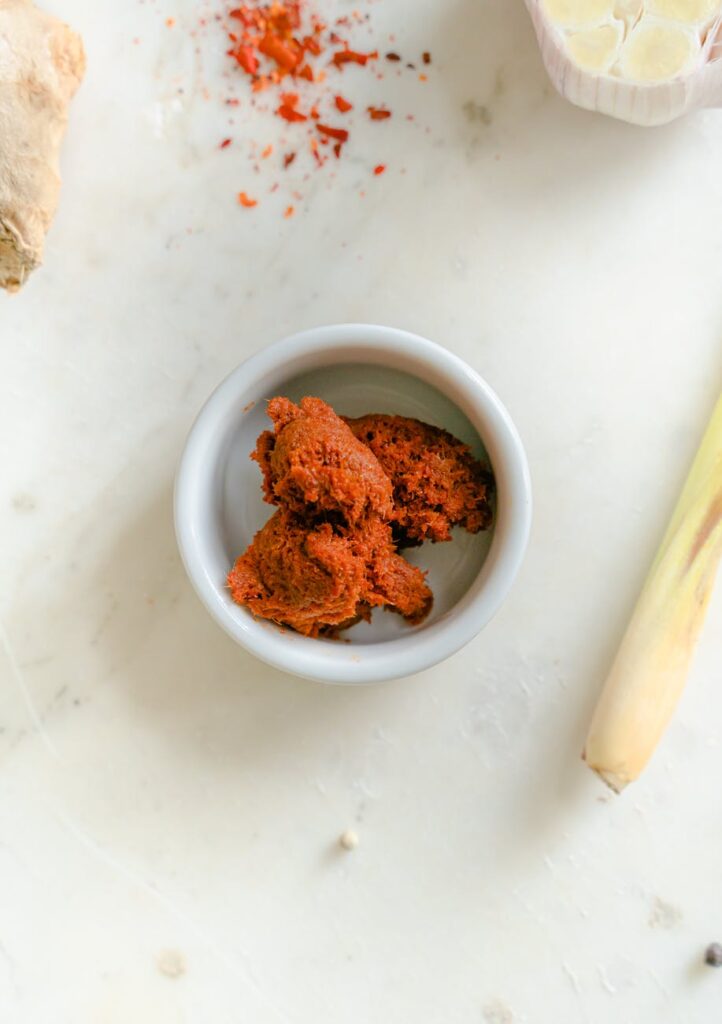
Miso: Cultivation Explained
Introduction
Miso, a staple in Japanese cuisine, has gained global recognition for its rich umami flavor and versatility. This fermented soybean paste is not only a culinary delight but also a product of intricate agricultural practices. Understanding the cultivation of miso involves delving into the life cycle of its primary ingredients—soybeans, koji mold, and salt. This article provides an authoritative overview of the cultivation processes, historical contexts, quality considerations, and more, ensuring a comprehensive understanding of this vital ingredient.
What Is Growing?
In the context of food ingredients like miso, “growing” refers to the agricultural processes involved in raising crops that serve as the foundational elements of the final product. For miso, this primarily includes the cultivation of soybeans and the fermentation process involving koji mold. The growth of these components is essential to producing high-quality miso.
Soybean Cultivation
Soybeans (Glycine max) are the primary ingredient in miso production. They are a warm-season crop, thriving in temperate climates with well-drained soil. The cultivation process involves several key stages:
1. Soil Preparation: Farmers prepare the soil by tilling and adding organic matter to enhance fertility.
2. Planting: Soybeans are typically sown in late spring when soil temperatures reach at least 60°F (15°C). They are planted in rows to ensure adequate spacing for growth.
3. Growth Stages: Soybeans undergo several developmental phases, including germination, vegetative growth, flowering, and pod development.
4. Harvesting: Once the pods mature and the leaves yellow, the soybeans are harvested, usually in late summer to early fall.
Koji Mold Cultivation
Koji mold (Aspergillus oryzae) is critical for the fermentation of miso. It converts the starches in the soybeans into sugars, facilitating the fermentation process. The cultivation of koji involves:
1. Preparation of Rice or Barley: The substrate, often steamed rice or barley, is prepped for inoculation with koji spores.
2. Inoculation: The spores are evenly distributed over the warm, moist substrate.
3. Incubation: The mixture is kept in a controlled environment (usually around 86°F or 30°C) for approximately 48 hours, allowing the mold to grow and thrive.
Salt’s Role in Cultivation
Salt is added to miso during production, serving several purposes. It balances the fermentation process, enhances flavor, and acts as a preservative. The careful selection of salt type and quantity can significantly influence the final product.
History and Origins
Miso’s origins trace back to ancient China, around 300 B.C., where a similar fermented paste was created. The technique and ingredients migrated to Japan over the centuries, and by the 7th century, miso became an integral part of Japanese culinary culture.
Originally, miso was primarily used as a method of preserving food. It evolved through the Heian period (794-1185) and became a dietary staple among the samurai class, further solidifying its place in Japanese cuisine. The Edo period (1603-1868) saw miso production expand, leading to regional varieties that reflect local ingredients and flavors.
Production and Processing
The production of miso is a complex process that involves several stages:
1. Preparation of Ingredients: The soybeans are soaked overnight, then cooked until soft. The koji is prepared as described earlier.
2. Mixing: Cooked soybeans are mashed and combined with koji and salt in a precise ratio, which varies depending on the desired flavor profile.
3. Fermentation: The mixture is placed in fermentation vessels, often made of wood or glass, where it is sealed to prevent contamination. Fermentation times can range from a few weeks to several years, influencing the flavor and color of the final product.
4. Aging: During aging, enzymes break down proteins and starches, enhancing flavors. The longer the fermentation, the deeper and more complex the flavor profile becomes.
5. Packaging: After fermentation, the miso is packaged for distribution, often pasteurized to ensure stability.
Quality and Grading
Quality in miso production is judged based on several factors:
1. Ingredient Quality: The quality of soybeans, koji, and salt directly affects the end product. High-quality, organic soybeans are preferred.
2. Fermentation Time: Longer fermentation typically results in richer flavors. Miso can be classified into categories such as white (shiro), red (aka), and mixed (awase), each with distinct flavor profiles based on fermentation duration.
3. Texture and Aroma: A well-crafted miso should exhibit a smooth texture and a balanced aroma, indicating proper fermentation and ingredient integration.
Miso is often graded based on these characteristics, with higher grades commanding premium prices.
Buying Considerations
When purchasing miso, several factors should be considered:
1. Type: Understand the different types of miso available—white, red, or mixed—each providing unique flavors suitable for various dishes.
2. Source: Opt for products from reputable brands known for quality and traditional methods. Organic options are often preferable.
3. Ingredients: Examine the ingredient list for purity. High-quality miso should contain minimal additives.
4. Packaging: Look for airtight packaging to maintain freshness and prevent spoilage.
Uses and Applications
Miso’s versatility extends beyond soup bases. It can be used in a myriad of applications including:
- Sauces and Marinades: Miso can enhance grilled meats, vegetables, and tofu with its umami-rich flavor.
- Dressings: Mixed with vinegar and oil, miso can create unique salad dressings.
- Spreads: Miso can serve as a flavorful spread when