
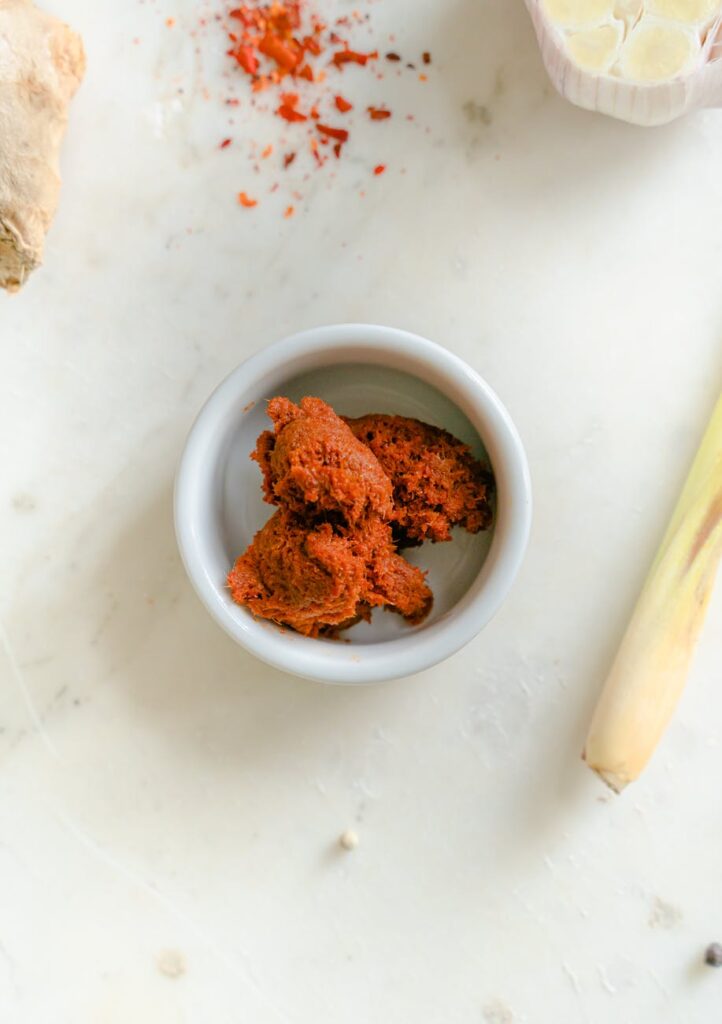
Miso: FAQs Answered
Introduction
Miso, a fermented soybean paste, has been a staple in Japanese cuisine for centuries. Its rich umami flavor and versatility make it a prized ingredient not only in Japan but around the world. As culinary interest in global ingredients grows, understanding the nuances of miso becomes increasingly important for both home cooks and professional chefs alike. This article aims to provide comprehensive insights into miso through structured guides, addressing its history, production, quality, and common questions that arise when dealing with this unique ingredient.
What Is Miso?
Miso is a thick paste produced by fermenting soybeans with salt and a specific culture known as koji, which is made from Aspergillus oryzae. This fermentation process can take anywhere from a few weeks to several years, resulting in a variety of flavors, textures, and colors. The most common types of miso include white (shiro), red (aka), and mixed (awase), each offering distinct culinary profiles. Miso serves as a flavor base for soups, marinades, dressings, and a multitude of other dishes, making it a versatile ingredient in both traditional and contemporary cooking.
History and Origins
The origins of miso date back over 1,300 years, with its roots traced to ancient China, where it was developed as a method of preserving food. The technique eventually made its way to Japan, where it gained immense popularity and underwent local adaptations. By the 7th century, miso was a recognized part of Japanese cuisine, often used in religious ceremonies and as a staple in the diets of samurai and peasants alike.
The production of miso evolved over the centuries, leading to regional variations and the establishment of unique flavor profiles. Today, miso production is not only an art but also a science, with many artisanal producers focusing on traditional methods to maintain the integrity of flavors.
Production and Processing
The production of miso involves several critical steps:
1. Ingredient Selection: Quality soybeans, koji, and salt are essential. The choice of koji—often made from rice, barley, or other grains—significantly influences the flavor of the final product.
2. Cooking and Mixing: Soybeans are soaked and boiled until soft, then mashed and combined with koji and salt. The proportions of these ingredients determine the type of miso produced.
3. Fermentation: The mixture is placed in fermentation containers, where it is left to mature. The duration of fermentation can vary widely, affecting flavor and texture. Shorter fermentation periods yield lighter, sweeter miso, while longer periods produce darker, more robust varieties.
4. Packaging: Once fermentation is complete, the miso is packaged for distribution. Artisanal miso may be sold in bulk, while mass-produced varieties often come in sealed containers to maintain freshness.
Quality and Grading
The quality of miso can be assessed through several factors:
- Flavor: A good miso should have a balanced taste, showcasing the depth of umami with a hint of sweetness or saltiness. The presence of off-flavors can indicate poor quality or improper fermentation.
- Texture: High-quality miso is smooth and creamy, with a consistent texture. Grainy or overly thick miso may suggest inferior production methods.
- Color: The color of miso ranges from pale yellow to deep brown, depending on fermentation time and ingredients used. While color can be an indicator of flavor intensity, it is not the sole criterion for quality.
- Ingredients: Premium miso uses natural ingredients without additives or preservatives. Reading the label is crucial for discerning quality.
- Soups and Broths: The most common use, miso adds depth to clear broths and enhances the flavor of ramen and other noodle dishes.
- Marinades and Glazes: Miso can be combined with other ingredients to create flavorful marinades for fish, meat, and vegetables, imparting a rich umami character.
- Dressings and Sauces: Whisking miso into vinaigrettes or sauces can elevate salads and grilled dishes.
- Baking: Some bakers experiment with miso in bread and pastries, adding a unique flavor profile that complements sweet elements.
- Dips and Spreads: Miso can be blended with ingredients like tahini or yogurt to create savory dips for vegetables or crackers.
- Unopened Miso: Store in a cool, dark place, such as a pantry or cupboard, away from direct sunlight. It can typically last for up to a year or more if kept sealed.
Grading systems for miso are not universally standardized, but many producers and regions have established their own criteria. Consumers are encouraged to explore artisanal brands and local products to experience the diverse range of flavors available.
Buying Considerations
When purchasing miso, consider the following aspects:
1. Type of Miso: Choose based on the intended application—lighter miso for dressings and soups, darker miso for marinades and hearty dishes.
2. Fermentation Time: Look for information on fermentation duration; longer fermentation often yields more complex flavors.
3. Ingredients: Opt for miso with few ingredients and no preservatives. Organic options may also be available.
4. Packaging: Check for proper sealing and storage conditions. Miso should be stored in a cool, dark place if it’s unopened, and refrigerated after opening.
5. Local vs. Imported: While traditional Japanese miso is renowned, many local producers around the world offer unique interpretations that reflect regional tastes and ingredients.
Uses and Applications
Miso’s versatility extends beyond its use in traditional miso soup. Here are several applications:
Storage and Shelf Life
Proper storage is essential for maintaining the quality of miso: