
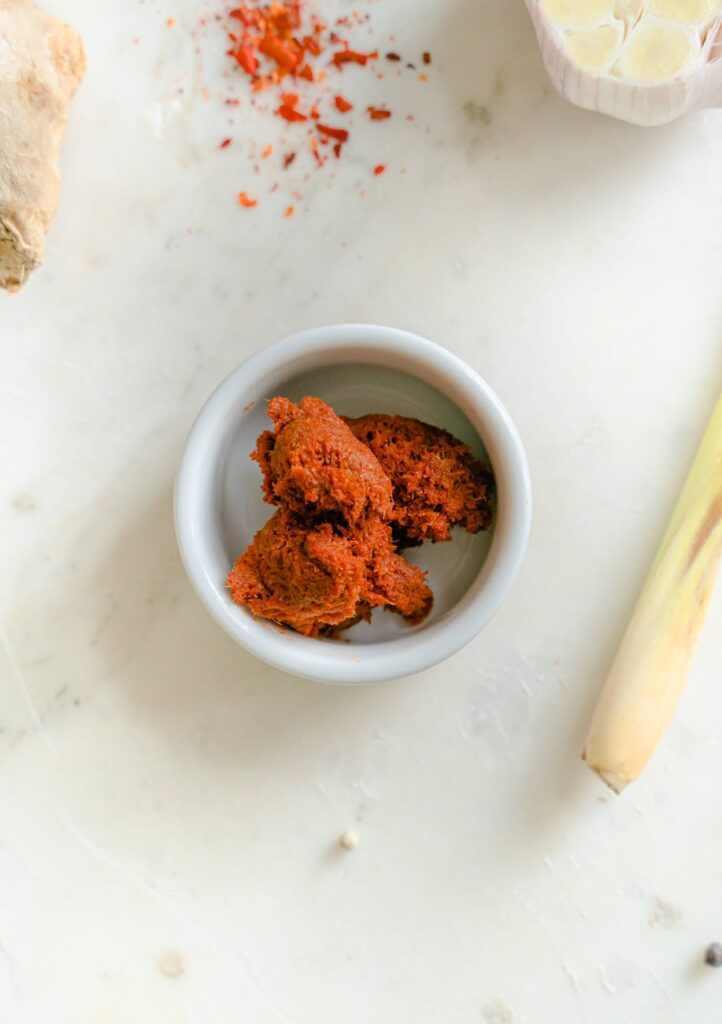
Miso Guides Guide Part 6
Introduction
Miso, a staple in Japanese cuisine, has gained international acclaim for its complex flavors and versatility. As culinary enthusiasts and home cooks alike explore the depths of this fermented soybean paste, understanding its nuances becomes essential. This article serves as a comprehensive guide to miso, shedding light on its history, production, quality grading, purchasing tips, and various applications.
What Is Miso?
Miso is a traditional Japanese condiment made from fermented soybeans, salt, and a mold called Aspergillus oryzae. This fermentation process imparts a rich umami flavor, making miso not only a seasoning but also a fundamental ingredient in many dishes. It can be categorized into several types, including white (shiro), red (aka), and mixed (awase), each offering distinct flavor profiles ranging from sweet and mild to robust and savory.
History and Origins
The origins of miso date back over a thousand years, with roots tracing back to ancient China. The practice of fermentation was integral to preserving food and enhancing flavors. It is believed that miso was introduced to Japan during the Nara period (710-794 AD), where it evolved into a culinary staple. By the Edo period (1603-1868), miso had become widely popular, with regional variations emerging across Japan.
Historically, miso was not just a food product; it played a significant role in Japanese culture, often associated with health and longevity. Its importance is reflected in the phrase “miso wa shoku no shinjitsu” (miso is the truth of food), emphasizing its role in nourishing both body and spirit.
Production and Processing
The production of miso is a meticulous process that involves several stages:
1. Ingredients: The primary ingredients include soybeans, koji (a culture of Aspergillus oryzae), and salt. Some varieties may also incorporate rice or barley, influencing the flavor and texture.
2. Soaking and Cooking: The soybeans are soaked in water, then cooked until soft. This step is critical as it prepares the beans for fermentation.
3. Koji Cultivation: The cooked soybeans are inoculated with koji culture, which is grown on steamed rice, barley, or soybeans. This stage initiates fermentation, converting starches to sugars and proteins to amino acids.
4. Fermentation: The mixture of soybeans and koji is combined with salt and allowed to ferment in a controlled environment. The duration of fermentation can vary, ranging from a few months to several years, greatly influencing the flavor.
5. Maturation: After fermentation, the miso is aged, allowing the flavors to develop further. This step may include additional aging in traditional cedar barrels.
6. Packaging and Distribution: Once matured, miso is packaged and distributed to markets and consumers.
Different regional producers may have unique methods, leading to a diverse range of miso products available in the market.
Quality and Grading
The quality of miso can be assessed based on several factors, including texture, aroma, and flavor profile. While there are no formal grading systems universally adopted, high-quality miso typically exhibits the following characteristics:
- Texture: A smooth, even consistency without lumps or separation.
- Aroma: A rich, complex scent that reflects the fermentation process.
- Flavor: A balanced taste that harmonizes sweetness, saltiness, and umami.
- Soups: Miso soup is perhaps the most iconic dish, combining miso paste with dashi, tofu, seaweed, and vegetables.
- Marinades: Miso can be used as a base for marinades, imparting depth of flavor to proteins such as fish, chicken, and vegetables.
- Dressings: Whisking miso into salad dressings can add a savory note, enhancing the overall taste profile.
- Sauces: Miso can serve as a foundation for sauces, providing a rich umami flavor to dishes like glazes or dipping sauces.
- Baking: Unconventionally, miso can also be incorporated into baked goods, adding complexity to sweet treats like cookies and brownies.
- Refrigeration: Once opened, miso should be stored in the refrigerator to slow down the fermentation
When purchasing miso, look for products that specify the fermentation duration and the type of koji used, as these factors can significantly impact quality. Artisan or small-batch misos often provide a more authentic flavor experience compared to mass-produced varieties.
Buying Considerations
When selecting miso, consider the following factors:
1. Type: Identify the type of miso that suits your culinary needs. White miso tends to be sweeter and milder, while red miso is more robust and saltier.
2. Ingredients: Check the ingredient list for additives or preservatives. Authentic miso should primarily contain soybeans, koji, and salt.
3. Origin: Some regions in Japan are renowned for specific types of miso, such as Sendai miso or Hokkaido miso. Exploring these varieties can enhance your culinary repertoire.
4. Packaging: Miso is typically sold in vacuum-sealed containers or jars. Ensure that the packaging is intact to guarantee freshness.
5. Fermentation Date: Whenever possible, choose miso with a clearly marked production or fermentation date to ensure optimal flavor and quality.
Uses and Applications
Miso is a versatile ingredient utilized in a myriad of culinary applications, including:
The adaptability of miso across various cuisines highlights its role as a bridge between traditional Japanese flavors and contemporary culinary innovation.
Storage and Shelf Life
Proper storage of miso is crucial for maintaining its flavor and freshness. Here are some guidelines: