
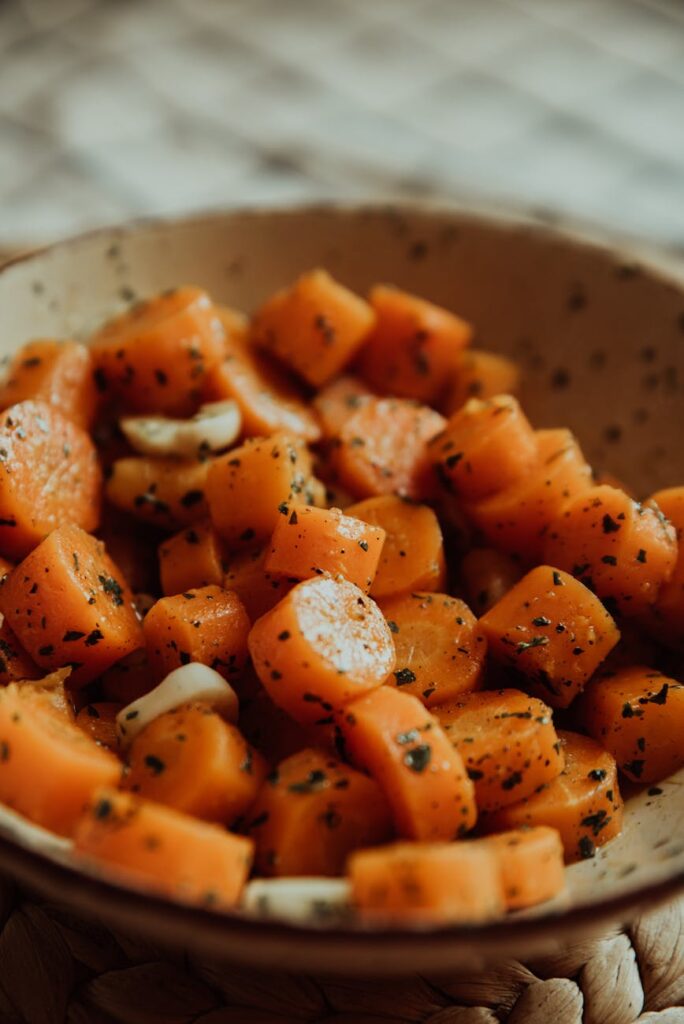
Miso Marinated Carrots: About Guide Part 7
Introduction
Miso marinated carrots represent a delightful intersection of flavor, nutrition, and culinary tradition. This dish, characterized by its umami-rich miso paste and the natural sweetness of carrots, has gained popularity in various culinary landscapes. The fusion of these ingredients not only enhances the taste of carrots but also introduces a unique texture and depth that elevates simple vegetable preparations. This guide aims to delve into the multifaceted aspects of miso marinated carrots, exploring their history, production methods, quality considerations, and more.
What Is Miso Marinated Carrots?
Miso marinated carrots are a dish where fresh carrots are soaked in a mixture of miso paste, often accompanied by complementary ingredients, to infuse them with flavor. Miso, a fermented soybean paste originating from Japan, provides a savory depth, while the carrots contribute sweetness and crunch. The process of marination allows the carrots to absorb the flavors of miso, resulting in a vibrant and nutritious dish that can serve as a side, appetizer, or even a salad component. The versatility of miso marinated carrots makes them suitable for various cuisines, from Japanese to contemporary fusion dishes.
History and Origins
The roots of miso can be traced back over a thousand years to ancient China, where it was developed as a way to preserve food. Miso made its way to Japan through trade and cultural exchange, evolving into a staple in Japanese cuisine. Carrots, known for their sweetness and versatility, have been cultivated for thousands of years, with origins in Persia. The combination of miso and carrots likely emerged in Japan as part of the broader culinary trend of using miso to enhance vegetables. This marriage of flavors showcases the Japanese philosophy of umami, the fifth taste, which emphasizes balance and depth in food preparation.
Production and Processing
Miso is produced through a fermentation process involving soybeans, koji (a mold culture), and salt. The soybeans are cooked and then mixed with koji, allowing the mixture to ferment for several months to years, depending on the desired flavor profile. The type of miso used in marinating carrots can significantly impact the overall taste. For instance, white miso (shiro miso) is typically sweeter and milder, while red miso (aka miso) has a more robust flavor.
Once the miso is prepared, the carrots are cleaned, peeled, and often cut into sticks or rounds. The marination process can vary; some methods involve simply mixing the carrots with the miso paste, while others may include additional ingredients such as rice vinegar, sesame oil, or spices. The marinated carrots are then allowed to sit for a period, allowing the flavors to meld and intensify.
Quality and Grading
The quality of miso marinated carrots can be assessed through various factors, including the quality of the miso used, the freshness of the carrots, and the overall balance of flavors. High-quality miso should have a complex flavor profile, free from artificial additives or excessive salt. When selecting carrots, vibrant color, firmness, and a smooth skin are indicators of freshness.
In terms of grading, while there are no formal grading systems for miso marinated carrots specifically, the use of premium ingredients will inherently enhance the quality. Culinary professionals often emphasize the importance of sourcing high-quality miso and fresh, seasonal produce, as these elements are crucial in achieving a superior dish.
Buying Considerations
When purchasing miso marinated carrots, whether pre-made or the individual components for preparation, several considerations should be taken into account:
1. Miso Type: Different types of miso (white, red, or mixed) will impart varying flavors. Understanding the intended taste profile is essential for selecting the right miso.
2. Carrot Freshness: Opt for organic or locally sourced carrots when possible. Freshness can dramatically affect the taste and texture of the final dish.
3. Additional Ingredients: If buying pre-marinated carrots, check the ingredient list for additives or preservatives. A shorter list typically indicates a higher-quality product.
4. Packaging: Ensure that the product is sealed properly to maintain freshness. Improper packaging can lead to spoilage.
5. Serving Size: Consider the intended use—whether as a side dish, appetizer, or salad component—when selecting the quantity.
6. Dietary Preferences: Be mindful of any dietary restrictions, such as gluten intolerance, as some miso varieties may contain gluten.
Uses and Applications
Miso marinated carrots can be utilized in various culinary applications, reflecting their versatility. Here are some common ways to incorporate them into meals:
1. Side Dish: Served alongside grilled meats or fish, miso marinated carrots add a colorful and flavorful element to any plate.
2. Salads: Thinly sliced or diced miso marinated carrots can be included in salads, contributing both texture and a pop of flavor.
3. Buddha Bowls: They make an excellent addition to grain bowls, combining well with rice, quinoa, or other grains.
4. Appetizers: Miso marinated carrots can be served as part of a vegetable platter or with dips, providing a nutritious and flavorful option.
5. Tacos and Wraps: They can be used as a filling in tacos or wraps, enhancing the overall taste with their umami richness.
6. Fusion Dishes: The unique flavor profile of miso marinated carrots lends itself well to fusion cuisine, where traditional ingredients are combined in innovative ways.
Storage and Shelf Life
Proper storage is vital to maintain the quality of miso marinated carrots. If purchased pre-marinated, always check the packaging for specific storage instructions. Generally, these carrots should be kept in the refrigerator, where they can last for up to