
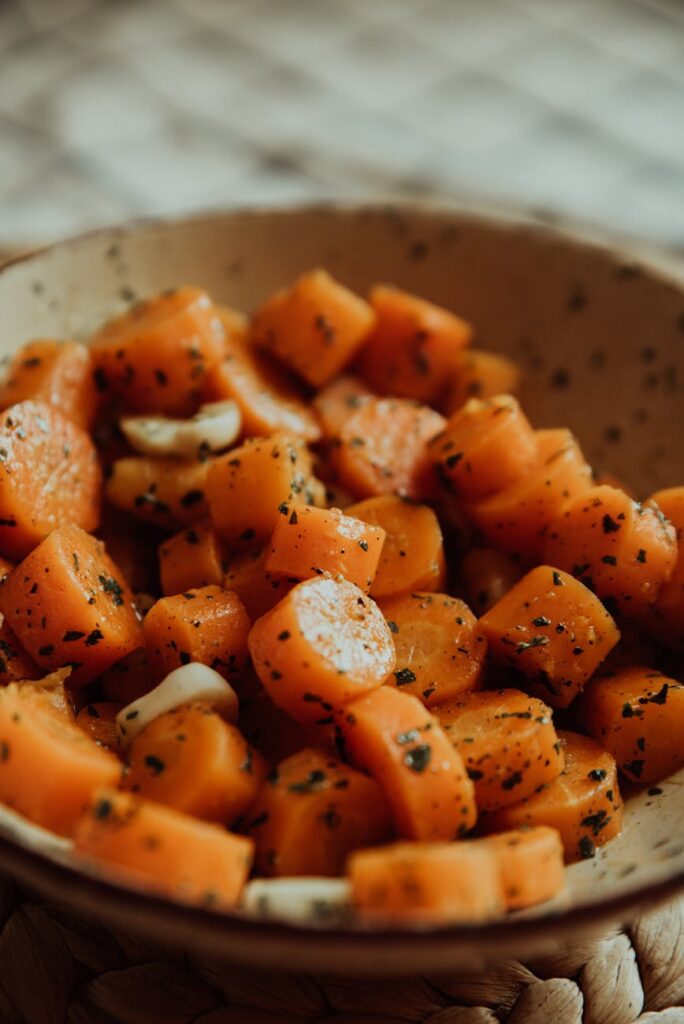
Miso Marinated Carrots in Traditional Cuisine
Introduction
Miso marinated carrots represent a harmonious blend of flavors and culinary techniques that speak to the heart of traditional cuisines, particularly in East Asia. The marriage of the umami-rich miso paste with the natural sweetness and crunch of carrots creates a dish that is not only delicious but also versatile. This article delves into the various aspects of miso marinated carrots, from their historical roots to their contemporary applications in cuisine.
What Is Uses?
In culinary terms, “uses” refers to the various ways an ingredient or dish can be employed in cooking, serving, or even preserving food. Miso marinated carrots, while simple in composition, can serve multiple purposes in a kitchen. They can be used as a side dish, a component in salads, or as an ingredient in more complex recipes. Understanding the uses of miso marinated carrots allows chefs and home cooks alike to appreciate their versatility and adaptability in various culinary contexts.
History and Origins
The origins of miso can be traced back over a thousand years to ancient Japan, where it was initially used as a fermented food source. Miso paste is made from fermented soybeans, salt, and koji mold, creating a flavorful base that has been integral to Japanese cooking. The practice of marinating vegetables, including carrots, in miso likely emerged as a method of preserving freshness and enhancing flavor, particularly in rural households where preservation techniques were essential.
Carrots themselves have a long history in culinary traditions worldwide, dating back to ancient Persia. While originally cultivated for their greens and seeds, they eventually became popular as a root vegetable. The combination of miso and carrots likely evolved as both ingredients became staples in Japanese and East Asian cuisines.
Production and Processing
Miso is produced through a fermentation process, wherein cooked soybeans are inoculated with koji, a mold that transforms the starches into sugars. This mixture is then combined with salt and sometimes other grains, such as rice or barley, and allowed to ferment for several months to years, depending on the desired flavor profile. The resulting paste can vary in color, flavor, and texture, ranging from light and sweet to dark and robust.
Carrots are typically harvested in the late summer to early autumn when they are at their peak sweetness. For miso marination, the carrots are often peeled and cut into uniform pieces to ensure even absorption of the miso flavors. The marination process involves coating the carrots in miso paste, which can be enhanced with additional ingredients like mirin or sesame oil, allowing them to absorb the rich umami notes.
Quality and Grading
When selecting miso for marinating carrots, quality is paramount. Miso is categorized into different types—white (shiro), yellow (shinshu), and red (aka)—each with its unique flavor and fermentation time. Higher-quality miso is typically made from organic ingredients and fermented using traditional methods.
For carrots, look for firm, unblemished specimens with a vibrant color. Organic carrots are often recommended for their superior flavor and lack of pesticides. The freshness of both the miso and the carrots will significantly impact the final dish’s taste and texture.
Buying Considerations
When purchasing miso for marinating carrots, consider the following factors:
1. Type of Miso: Choose the type that aligns with your flavor preferences. White miso is milder and sweeter, while red miso offers a stronger, more potent flavor.
2. Quality: Opt for artisanal or organic miso brands that use traditional fermentation methods for the best flavor.
3. Storage: Check the expiry date. Miso can last for months if stored properly, but freshness is crucial for optimal taste.
4. Carrot Selection: When buying carrots, ensure they are fresh, firm, and free from blemishes. Organic options are preferable for flavor and health reasons.
Uses and Applications
Miso marinated carrots serve a multitude of roles in culinary applications:
Side Dish
As a side dish, miso marinated carrots can elevate a meal with their vibrant color and rich flavor. They can be served warm or cold, making them a versatile accompaniment to various proteins, from grilled fish to roasted meats.
Salad Component
In salads, miso marinated carrots can add a delightful crunch and umami depth. They pair well with leafy greens, grains, and other vegetables, providing a textural contrast and enhancing the overall flavor profile.
Ingredient in Dishes
Beyond being a standalone side, miso marinated carrots can be incorporated into various dishes, such as stir-fries, rice bowls, or grain salads. Their unique flavor can enhance the complexity of other ingredients, making them a valuable addition to diverse cuisines.
Garnish
The vibrant color and unique taste of miso marinated carrots make them an excellent garnish for soups and stews, adding both visual appeal and flavor. They can also be used to decorate platters or bento boxes, showcasing the artistry of Japanese cuisine.
Snack
Finally, miso marinated carrots can serve as a healthy snack option. Their bold flavor makes them a satisfying choice for those seeking something more nutritious than conventional snacks.
Storage and Shelf Life
Miso paste should be stored in an airtight container in the refrigerator after opening. It can last for several months, sometimes even up to a year, depending on the type of miso and the quality of the fermentation.
Miso marinated carrots, once prepared, can also be stored in the refrigerator for up to two weeks. It is recommended to keep them in an airtight container to maintain their freshness and prevent them from absorbing other odors in the fridge. However, their flavor will continue to develop over time, so they are often most enjoyable within the first week of marination.
Common Misconceptions
Miso is Only for Soup
One