
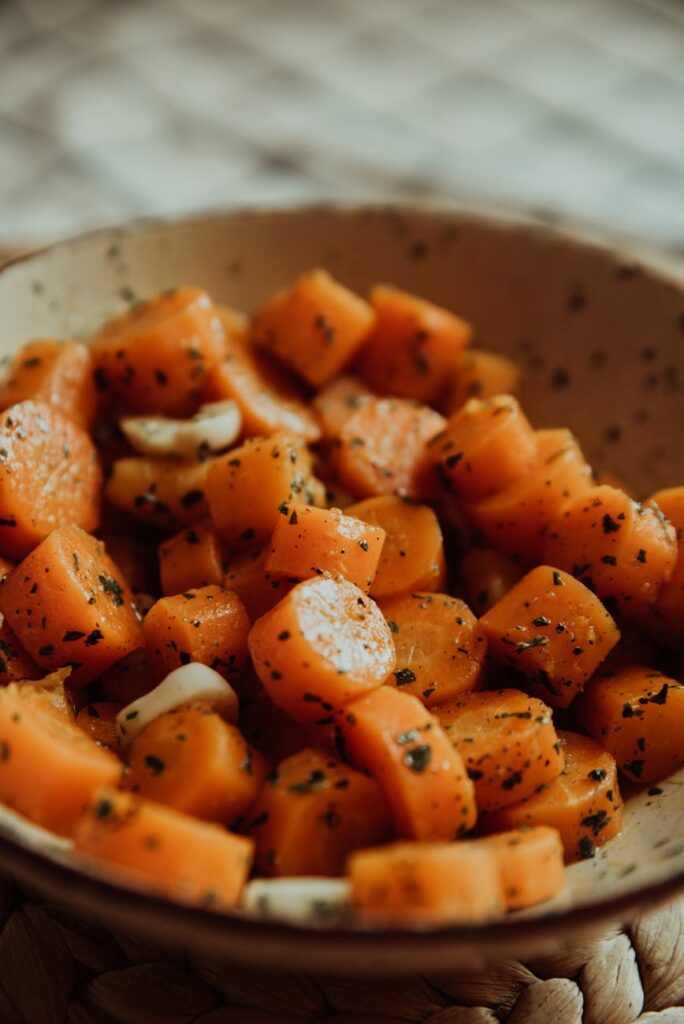
Miso Marinated Carrots: Origins and Evolution
Introduction
Miso marinated carrots represent a delightful intersection of Japanese culinary tradition and contemporary gastronomic innovation. This dish, characterized by its umami-rich flavor and vibrant color, serves not only as a tantalizing side but also as a testament to the art of fermentation and marination. Understanding the origins, production methods, and culinary applications of miso marinated carrots provides insight into their growing popularity on plates around the world.
What Is About?
Miso marinated carrots are prepared by immersing fresh carrots in a mixture of miso paste, usually along with other ingredients like rice vinegar, sugar, or sesame oil. The miso paste, made from fermented soybeans, is the cornerstone of this dish, imparting a deep, savory flavor that complements the natural sweetness of carrots. The process of marination not only enhances the taste but also preserves the carrots, allowing them to be enjoyed over an extended period.
History and Origins
The origins of miso can be traced back to ancient China, where it was first recorded in the 7th century. It made its way to Japan in the 8th century, becoming a staple in Japanese cuisine. The Japanese began to adapt and modify miso, resulting in various regional varieties, each with distinct flavors and characteristics.
Carrots, on the other hand, have a history that spans thousands of years. Originally cultivated in Persia, they were primarily purple or yellow. The modern orange carrot we know today was developed in the Netherlands in the 17th century as a tribute to the House of Orange. The combination of miso and carrots likely evolved as Japanese cooks began to experiment with marinating vegetables in miso, leveraging its flavor-enhancing properties.
The practice of marinating vegetables in miso can also be linked to the traditional Japanese preservation techniques, where miso was used to extend the shelf life of seasonal produce. This not only added flavor but also allowed for the enjoyment of vegetables year-round.
Production and Processing
The production of miso marinated carrots involves several steps, beginning with the selection of high-quality carrots and miso. Carrots are typically harvested young and firm, as they maintain a crisp texture during marination. The choice of miso—white, yellow, or red—affects the final flavor profile, with white miso being milder and sweeter, and red miso offering a more robust, salty taste.
The carrots are first cleaned and cut into uniform pieces, ensuring even marination. The miso paste is then mixed with complementary ingredients, which may include rice vinegar for acidity, sugar for sweetness, and sesame oil for richness. This marinade is applied to the carrots, allowing them to soak for a specified period, typically ranging from a few hours to several days, depending on the desired intensity of flavor.
The fermentation process contributes to the depth of flavor in the dish, as the enzymes in the miso interact with the natural sugars in the carrots. This interaction not only enhances taste but also involves beneficial probiotics that can contribute to gut health.
Quality and Grading
The quality of both miso and carrots significantly influences the final product. When selecting carrots for marination, look for ones that are firm, without blemishes or soft spots. Freshness is paramount, as older carrots may have a diminished flavor and texture.
In terms of miso, its quality can be assessed by its aroma, flavor, and texture. High-quality miso should have a rich, complex aroma, with a balance of sweetness and saltiness. It should be smooth and free from any off-putting odors, indicating proper fermentation. Miso can be categorized into various grades based on its color and fermentation time, with premium varieties often commanding higher prices.
Buying Considerations
When purchasing miso marinated carrots, whether pre-made or ingredients for home preparation, several factors should be considered. For pre-packaged options, look for products that use high-quality, organic ingredients and minimal preservatives. The ingredient list should ideally be short and free from artificial additives.
For homemade versions, sourcing fresh, organic carrots is advisable, as they will provide the best flavor and texture. The choice of miso is equally important; exploring different types can yield a variety of taste experiences. Specialty Asian grocery stores often carry a broader selection of miso, allowing for experimentation with regional varieties.
Uses and Applications
Miso marinated carrots are versatile and can be utilized in various culinary contexts. They serve as a flavorful side dish to accompany grilled meats, fish, or plant-based proteins. Their umami character enhances salads, providing depth when added to grain bowls or mixed greens.
Additionally, they can be incorporated into sushi rolls or served as part of a bento box. The vibrant color of miso marinated carrots also adds visual appeal, making them an attractive addition to any meal. Their ability to be enjoyed cold or at room temperature further enhances their adaptability, making them suitable for picnics, barbecues, and potlucks.
Storage and Shelf Life
Proper storage is essential for maintaining the quality of miso marinated carrots. If prepared at home, they should be stored in an airtight container in the refrigerator. When properly sealed, they can last for about one to two weeks, although their flavor may continue to evolve over time.
Commercially prepared miso marinated carrots will typically have a longer shelf life, often indicated on the packaging. Once opened, they should also be refrigerated and consumed within a week or two for optimal taste and quality.
Common Misconceptions
Despite their growing popularity, there are several misconceptions about miso marinated carrots.
One common belief is that all miso is created equal; however, the fermentation time, beans used, and production methods can significantly affect flavor and quality.
Another misconception is that miso marinated carrots are exclusively a Japanese dish. While they are rooted in Japanese cuisine