
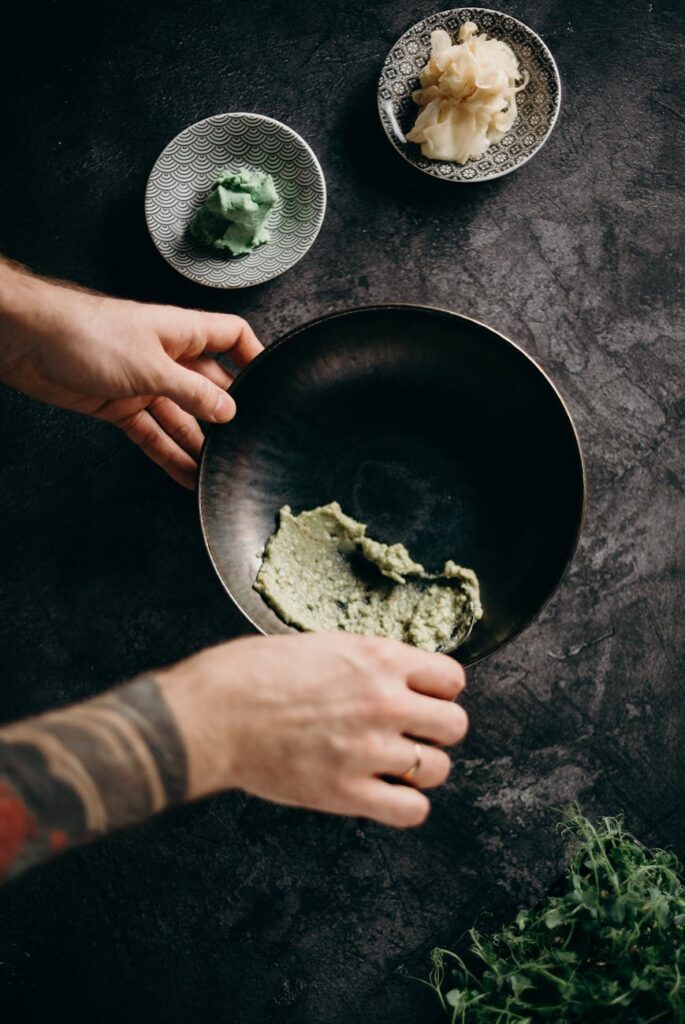
Miso Marinated Radish Myths and Misconceptions
Introduction
Miso marinated radish is a culinary delicacy that beautifully marries the umami-rich flavors of miso with the crisp, refreshing qualities of radish. This ingredient has carved a niche for itself in both traditional and contemporary cuisines, particularly in Japanese dishes. Despite its growing popularity, many myths and misconceptions surround miso marinated radish, often leading to confusion regarding its preparation, uses, and nutritional value. This article aims to debunk those myths and provide a holistic understanding of this intriguing ingredient, from its history to its storage.
What Is Miso Marinated Radish?
Miso marinated radish refers to radish that has been soaked in a mixture of miso paste and other flavoring agents, such as sugar, vinegar, or sesame oil. The result is a vibrant, flavorful condiment or side dish that can elevate a variety of meals. The process of marinating not only enhances the flavor but also tenderizes the radish, allowing it to absorb the savory notes of miso.
History and Origins
The roots of miso marinated radish can be traced back to Japan, where miso itself has been produced for over a thousand years. Miso, a fermented soybean paste, has deep cultural significance in Japanese cuisine, often serving as a base for soups and marinades. The practice of marinating vegetables in miso likely emerged as a preservation technique, allowing seasonal produce to be enjoyed year-round. The radish, particularly varieties such as daikon, has long been a staple in Japanese diets, making the combination of miso and radish a natural evolution in culinary practices.
Production and Processing
The production of miso marinated radish typically involves a two-step process: preparing the miso marinade and marinating the radish itself.
1. Miso Marinade Preparation: The marinade is usually made by mixing miso paste with additional ingredients like mirin, sugar, and sometimes rice vinegar. The choice of miso—whether white, yellow, or red—can significantly alter the flavor profile of the finished product. White miso is sweeter and milder, while red miso has a deeper, more robust flavor.
2. Radish Preparation: Fresh radishes are cleaned and often sliced or cut into sticks. The prepared radish is then submerged in the miso mixture and left to marinate for a designated period, which can range from several hours to several days, depending on the desired intensity of flavor.
Quality and Grading
When it comes to quality, both the miso and the radish play crucial roles in the final product.
- Miso Quality: The quality of miso can vary widely based on the fermentation process, ingredients used, and the length of fermentation. Premium miso is typically made from organic soybeans and has a complex flavor profile with a rich aroma.
- Radish Selection: Freshness is key when selecting radishes for marination. Look for radishes that are firm, unblemished, and brightly colored. Daikon radishes, known for their mild flavor and crisp texture, are often preferred for marination.
- Condiment: It can be used as a flavorful topping for rice, grains, or salads.
- Side Dish: Often served alongside grilled meats or fish, it adds a refreshing contrast.
- Ingredient in Dishes: Miso marinated radish can be incorporated into stir-fries or grain bowls for added texture and flavor.
- Garnish: The radish can also serve as an eye-catching garnish for soups or appetizers.
- Refrigeration: After opening, it should be kept in the refrigerator to slow down spoilage. Always ensure the container is sealed tightly to prevent air exposure.
- Shelf Life: When stored correctly, miso marinated radish can last up to two weeks. However, the flavor may intensify over time, so it’s advisable to consume it while it’s still fresh.
- Freezing: Freezing is generally not recommended, as it can alter the texture of the radish and diminish the quality of the miso flavor.
Quality and grading standards may differ by region and supplier, so it is essential to familiarize yourself with local options when sourcing these ingredients.
Buying Considerations
When purchasing miso marinated radish, there are several factors to consider:
1. Packaging: Look for products that are vacuum-sealed or packaged in airtight containers to ensure freshness.
2. Ingredient List: Pay attention to the ingredient list to avoid additives or preservatives that may detract from the natural flavors.
3. Local vs. Imported: While imported miso can offer authentic flavors, local options may be fresher and more sustainable.
4. Customization: Some gourmet stores or specialty markets may offer customizable options where you can choose the type of miso and additional flavorings for your marinated radish.
Uses and Applications
Miso marinated radish serves various culinary purposes:
Storage and Shelf Life
Proper storage is essential to maintain the quality of miso marinated radish.
Common Misconceptions
Despite its culinary appeal, various myths about miso marinated radish persist. Here are some common misconceptions:
1. Miso Marinated Radish is Only Japanese
While it is deeply rooted in Japanese cuisine, variations of miso marinated radish can be found in other Asian cuisines as well. For instance, Korean cuisine employs similar techniques using gochujang, a fermented chili paste, for marinating vegetables.
2. All Miso is the Same
Not all miso is created equal. There are several types of miso, each with distinct flavor profiles and uses. White miso is sweeter and more versatile