
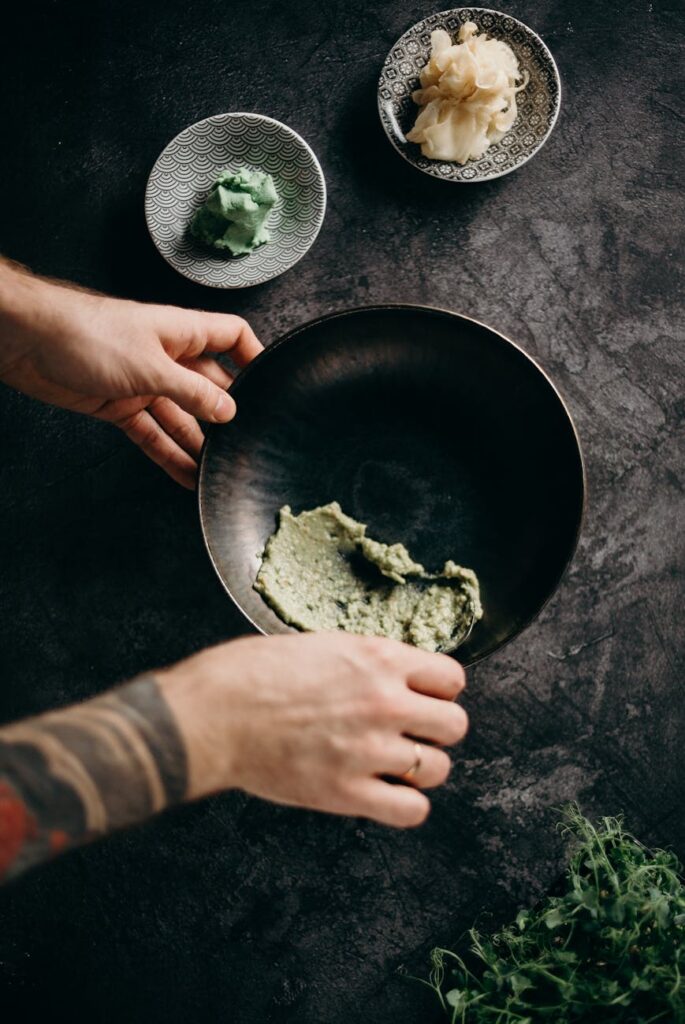
Miso Marinated Radish: Origins and Evolution
Introduction
Miso marinated radish is a distinctive ingredient that encapsulates the essence of Japanese cuisine while showcasing the harmonious blend of flavors and textures. With its unique umami profile and vibrant color, this ingredient has gained popularity beyond its traditional roots, finding its place in modern culinary applications worldwide. This article will delve into the origins, production methods, and various applications of miso marinated radish, providing a comprehensive understanding of its significance in culinary arts.
What Is Miso Marinated Radish?
Miso marinated radish refers to radish that has been preserved and flavored through a marination process involving miso, a fermented soybean paste integral to Japanese cooking. The radishes, typically daikon or other varieties, are coated with miso and left to marinate for a specified period. This process imbues the radishes with the rich umami flavor characteristic of miso, while also contributing to their preservation and enhancing their crunchiness.
The versatility of miso marinated radish allows it to be utilized in various dishes, serving as a condiment, side dish, or ingredient in salads and rice bowls. The interplay between the sharpness of the radish and the depth of the miso creates a complex flavor profile that appeals to the palate.
History and Origins
The origins of miso can be traced back over 1,300 years to Japan, where it was initially introduced from China. Over the centuries, miso has evolved into a staple ingredient, with numerous regional variations developed across Japan. The practice of marinating vegetables, including radishes, in miso is believed to have emerged as a method of preservation, a necessity in a time when refrigeration was nonexistent.
Miso marinated radish specifically draws from the traditions of Tsukemono, or Japanese pickles, which have been integral to Japanese meals for centuries. Tsukemono not only offers a way to preserve seasonal vegetables but also complements main dishes with contrasting flavors. Miso marinated radish exemplifies this balance, marrying the crispness of the radish with the savory depth of miso.
Production and Processing
The production of miso marinated radish involves several key steps that enhance both the flavor and texture of the final product. The process begins with selecting high-quality radishes, commonly daikon, known for their mild flavor and crisp texture. The radishes are thoroughly washed and cut into desired shapes, whether whole, sliced, or julienned.
Next, the miso paste is prepared, which can vary based on the desired flavor profile. Common varieties of miso include white (shiro), red (aka), and mixed (awase) miso. Each type brings its unique characteristics to the marination process. The miso is then combined with ingredients such as sugar, mirin, or sake to create a balanced marinade.
The radishes are generously coated with the miso mixture and placed in a container where they are allowed to marinate for a specified period, typically ranging from a few hours to several days. This time allows the flavors to meld, resulting in a harmonious balance between the sharpness of the radish and the umami richness of the miso.
Quality and Grading
The quality of miso marinated radish is contingent on several factors, including the quality of the radishes, the type of miso used, and the marination process. High-quality radishes should be firm, fresh, and free from blemishes. The miso should also be sourced from reputable producers, as the fermentation process and ingredients can significantly impact flavor.
In Japan, there are established grading systems for miso, which evaluate characteristics such as color, aroma, and taste. While similar grading systems do not exist specifically for miso marinated radish, using high-quality ingredients will invariably lead to a superior product.
Buying Considerations
When purchasing miso marinated radish, consumers should consider several factors to ensure they are selecting a high-quality product. First, examine the ingredient list; authentic miso marinated radish should contain minimal additives and preservatives. Look for products made with natural ingredients, emphasizing traditional methods of preparation.
Next, consider the type of miso used in the marination. Different miso varieties will yield distinct flavor profiles. For those looking for a sweeter taste, white miso is preferable, while red miso offers a more robust flavor. Additionally, consider the texture of the radish—crispness is key for an enjoyable eating experience.
If purchasing fresh miso marinated radish, check for signs of freshness, such as vibrant color and firm texture. For packaged options, inspect the expiration date and storage recommendations to ensure optimal quality.
Uses and Applications
Miso marinated radish has diverse culinary applications, making it a versatile ingredient in both traditional and contemporary dishes. In Japanese cuisine, it is commonly served as a side dish or condiment, accompanying rice, grilled fish, or meat. The tangy, umami-rich flavor enhances the overall meal experience, providing a refreshing contrast to heavier dishes.
In fusion cuisine, chefs have utilized miso marinated radish in salads, tacos, and even as a garnish for cocktails. The crunchy texture and vibrant color make it an appealing addition to a variety of plates, elevating both aesthetic and taste.
Additionally, miso marinated radish can serve as a flavorful topping for rice bowls or grain salads, providing a satisfying crunch and depth of flavor. Its adaptability allows it to fit seamlessly into numerous culinary contexts, making it a valuable ingredient for home cooks and professional chefs alike.
Storage and Shelf Life
The shelf life of miso marinated radish largely depends on the storage method employed. When properly stored in a cool, dark place, miso marinated radish can last for several weeks to months. Refrigeration is recommended to maintain freshness, especially for homemade