
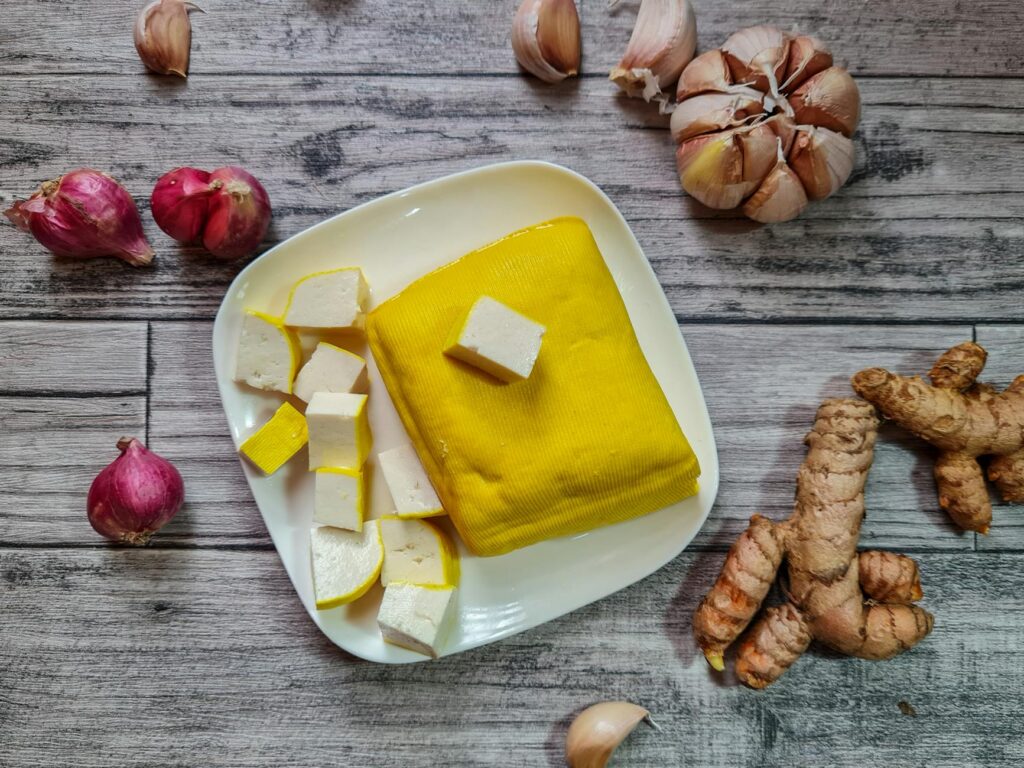
Miso-marinated Tofu Around the World
Introduction
Miso-marinated tofu is an exemplary dish that showcases the rich traditions of culinary practices across various cultures. This fermented soybean product, combined with the unique textures of tofu, creates a harmonious blend that has transcended regional barriers. With its umami flavor and versatile applications, miso-marinated tofu has found its way into kitchens worldwide. This article delves into the regions that have embraced this ingredient, exploring its history, production, and uses across different cultures.
What Is Regions?
In the context of food ingredients, “regions” refers to the geographical areas where specific culinary practices, traditions, and ingredient uses are prominent. The regions can encompass local, national, and even global influences, each contributing unique flavors and techniques to the preparation of dishes. Understanding these regions helps to appreciate the diversity of miso-marinated tofu and how it has been adapted and integrated into various cuisines.
History and Origins
The origins of miso can be traced back to ancient China, where fermented soybean products were first developed over 2,500 years ago. The technique of fermentation spread to Japan, where miso became a staple in the diet, evolving into various types, including white, red, and mixed miso. The marriage of miso with tofu—another ancient ingredient—occurred as soybean processing techniques advanced. Tofu itself has roots in China, dating back to the Han dynasty (206 BC – 220 AD), but it gained prominence in Japanese cuisine during the Kamakura period (1185–1333 AD).
The tradition of marinating tofu in miso developed as a means to enhance flavor and preserve the protein-rich ingredient. Miso-marinated tofu became a sought-after dish, particularly within vegetarian and Buddhist diets, where it often served as a protein substitute. Over centuries, this dish has traveled beyond Japan, leading to adaptations and variations in different parts of the world.
Production and Processing
The production of miso-marinated tofu involves several steps, beginning with the creation of miso itself. Miso is crafted from soybeans, koji (a mold used for fermentation), and salt. The soybeans are soaked, cooked, and then mixed with koji and salt, before being left to ferment for several months to several years, depending on the desired flavor profile.
Tofu, on the other hand, is made by coagulating soy milk, which is extracted from soaked and ground soybeans. The coagulant, typically magnesium chloride or calcium sulfate, allows the soy milk to curdle, resulting in curds that are pressed into solid blocks.
Once both miso and tofu are prepared, the marinating process begins. The tofu is typically cubed or sliced and then coated generously with miso paste. This marination can last from a few hours to several days, allowing the flavors to penetrate the tofu. This method not only enhances taste but also improves the texture, resulting in a rich umami flavor that is unique to this dish.
Quality and Grading
The quality of miso-marinated tofu is determined by various factors, including the quality of the miso and tofu used, the marination process, and the freshness of the ingredients. High-quality miso should have a pleasing aroma, a balanced flavor profile, and a smooth texture. Different types of miso will yield varied results; for instance, white miso is milder and sweeter, whereas red miso is more robust and salty.
Similarly, the tofu’s quality can greatly influence the final dish. Silken tofu provides a creamy texture, while firm tofu offers a more substantial bite. The marination process itself also plays a crucial role—longer marination times can lead to stronger flavors, whereas shorter marination may yield a more subtle taste.
Grading systems for miso vary by region; however, premium brands often emphasize organic ingredients, traditional fermentation methods, and minimal processing. It’s essential to choose high-quality miso and tofu for an optimal culinary experience.
Buying Considerations
When purchasing miso-marinated tofu, several factors should be taken into account to ensure quality and taste. The first consideration is the type of miso used for marination. Each miso variant offers distinct flavors and should be chosen based on personal preference or specific culinary applications.
Next, consider the tofu itself. Firm or extra-firm tofu is generally preferred for marinating, as it holds up better during the process and provides a satisfying texture. Look for tofu that is fresh and ideally organic, as this can enhance both the flavor and nutritional value.
Packaging is another aspect to consider. Miso-marinated tofu is often sold in vacuum-sealed packages or in jars. Check for any signs of spoilage, such as unusual odors or changes in texture, before purchasing. Lastly, consider the brand’s reputation and sourcing practices, as these can be indicators of quality and sustainability.
Uses and Applications
Miso-marinated tofu is a versatile ingredient that can be used in various culinary applications. In Japanese cuisine, it is often grilled or pan-fried and served as a main dish or added to salads and rice bowls. The umami flavor enhances the overall taste profile of the dish, making it a popular choice among both vegetarians and meat-eaters.
Beyond Japanese borders, miso-marinated tofu has found its way into fusion cuisine, where it can be incorporated into tacos, sandwiches, and even pasta dishes. Its adaptability allows chefs and home cooks to experiment with different flavor combinations, often pairing it with vegetables, grains, and sauces.
In addition to its flavor versatility, miso-marinated tofu is also a nutritional powerhouse, providing protein, essential amino acids, and various vitamins and minerals. This makes it an ideal ingredient for health-conscious consumers looking to maintain a balanced diet.
Storage and Shelf Life
Proper storage of miso-marinated tofu is crucial for maintaining its quality and flavor. Unopened packages of miso-mar