
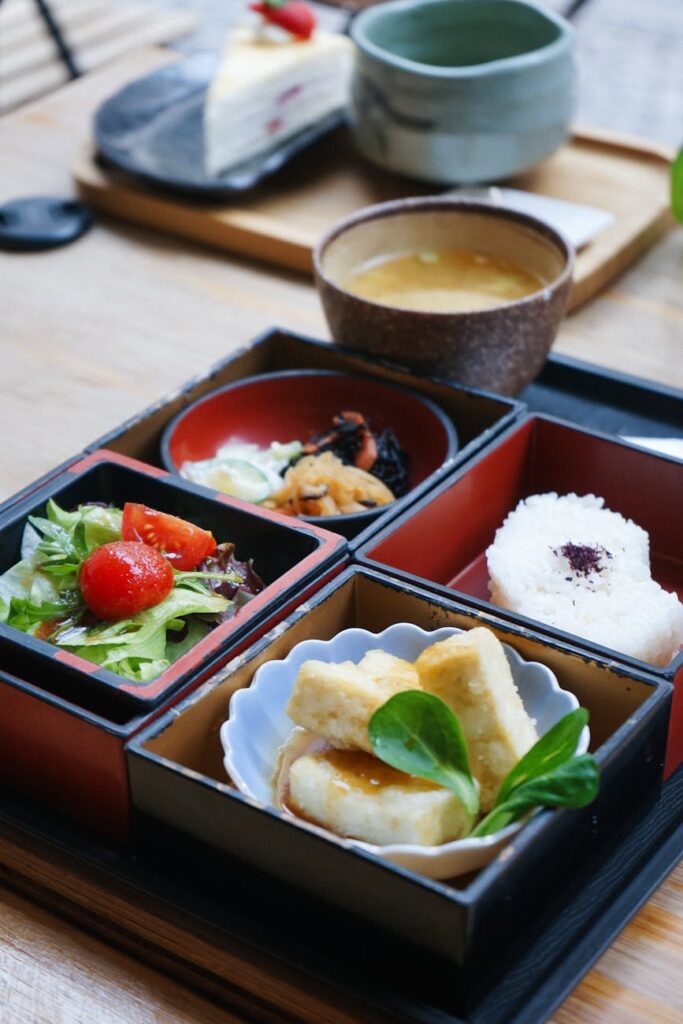
Miso Marinated Tofu Around the World
Introduction
Miso marinated tofu is a culinary delight that combines the umami-rich flavor of miso with the delicate texture of tofu. This dish has gained popularity on a global scale, celebrated for its versatility, nutritional benefits, and distinctive taste. As cultures intermingle and culinary techniques evolve, the appreciation for this dish extends far beyond its Japanese roots. This article aims to explore the various regional adaptations, historical origins, production methods, and uses of miso marinated tofu, highlighting its significance in contemporary cuisine.
What Is Regions?
In the context of food ingredients, “regions” refers to the geographical and cultural areas where specific culinary practices and ingredient applications are prevalent. Regions may encompass countries, cities, or even smaller locales that contribute unique flavors, techniques, and traditions to a dish. Understanding the regional variations of miso marinated tofu allows for a richer appreciation of its place in global cuisine, revealing how local ingredients and customs influence its preparation and consumption.
History and Origins
The origins of miso date back over a millennium, believed to have been introduced to Japan from China. Miso is a fermented soybean paste that serves as a staple in Japanese cooking. While the exact timeline of miso’s arrival in Japan is debated, historical texts suggest that it was used as early as the 7th century. Tofu, another fundamental ingredient in East Asian diets, has roots that trace back to China, where it was developed around the 2nd century CE.
The marriage of miso and tofu likely emerged from the Japanese culinary tradition, where both ingredients are cherished for their nutritional value and compatibility. Miso marinated tofu is traditionally served in a variety of forms, from grilled to stir-fried, showcasing the adaptability of these ingredients across different cooking methods.
Production and Processing
Miso is produced through a fermentation process involving soybeans, salt, and a starter culture called koji, which is derived from the mold Aspergillus oryzae. The fermentation process can take anywhere from a few months to several years, depending on the desired flavor profile. There are various types of miso, including white (shiro), red (aka), and mixed (awase), each offering distinct flavors and culinary applications.
Tofu, on the other hand, is made from soy milk that is coagulated to form curds, which are then pressed into blocks. The quality of tofu can vary based on the type of soybeans used, the coagulant, and the pressing technique. For miso marinated tofu, the tofu is typically pressed to remove excess moisture before being marinated in a mixture of miso, often accompanied by ingredients like sake, mirin, or sugar to enhance its flavor.
The process of marinating allows the tofu to absorb the taste of miso, resulting in a rich, savory profile that enhances the dish’s overall appeal. This step is crucial, as it transforms the relatively bland flavor of plain tofu into a delightfully complex dish that can be enjoyed in myriad ways.
Quality and Grading
The quality of both miso and tofu plays a significant role in the final product. Miso is often graded based on its color, flavor, and fermentation time. A higher-quality miso is typically produced from organic soybeans and undergoes longer fermentation, resulting in a deeper flavor and more nuanced aroma.
Similarly, tofu quality can be assessed based on texture, moisture content, and freshness. Silken tofu is soft and delicate, while firm tofu has a denser structure, making it more suitable for marinating and cooking. When selecting miso marinated tofu, it is essential to choose high-quality ingredients to ensure the best flavor and texture.
Buying Considerations
When purchasing miso marinated tofu or the ingredients to make it, there are several factors to consider:
1. Miso Type: Choose the type of miso that aligns with your flavor preference. White miso is milder and sweeter, while red miso is more robust and salty.
2. Tofu Quality: Look for fresh, organic tofu that has a firm texture for marinating. Avoid tofu that appears cracked or has an off-putting smell.
3. Brand Reputation: Opt for well-known brands that are recognized for their quality and ethical sourcing practices.
4. Packaging: Check for vacuum-sealed or airtight packaging to ensure freshness and prevent spoilage.
5. Storage Instructions: Review storage guidelines on the packaging to maintain the quality of both miso and tofu.
6. Local Variations: Explore local markets for artisanal miso or tofu made using traditional methods, which may provide a unique flavor profile.
By carefully selecting high-quality ingredients, one can elevate the experience of miso marinated tofu, enhancing its culinary impact.
Uses and Applications
Miso marinated tofu serves as a versatile ingredient in a variety of dishes. It can be grilled, baked, stir-fried, or added to soups and salads. Each method of preparation allows the flavors to meld beautifully, showcasing the adaptability of this ingredient.
Culinary Applications
1. Grilled Miso Tofu: Marinated tofu can be skewered and grilled, creating a smoky flavor that complements the umami of miso.
2. Stir-Fried Dishes: Miso marinated tofu can be added to vegetable stir-fries, enhancing the dish’s overall flavor profile.
3. Soups & Stews: Cubes of miso marinated tofu can be incorporated into miso soup or hearty stews, enriching the broth with its savory taste.
4. Salads: The tofu can be served cold in salads, adding protein and flavor to fresh greens.
5. Sandwiches & Wraps: Slices of miso marinated tofu can be used as a filling for sandwiches or wraps,