
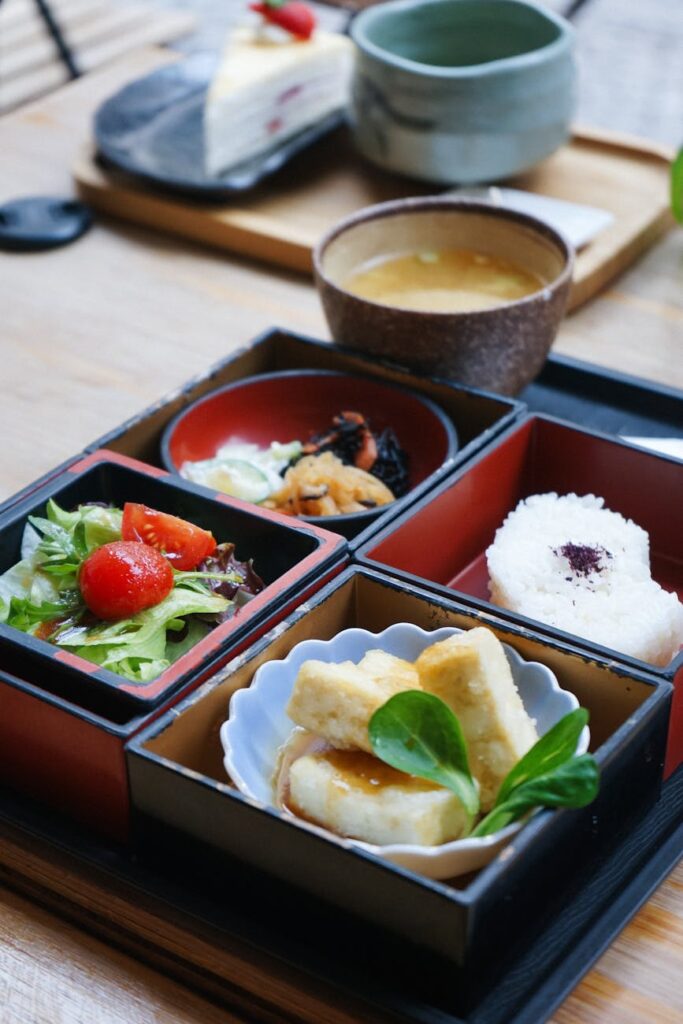
Miso Marinated Tofu: Origins and Evolution
Introduction
Miso marinated tofu is a culinary creation that harmoniously blends the rich umami flavors of miso with the subtle, nutty taste of tofu. This ingredient is not only a staple in Japanese cuisine but has also gained popularity in various global culinary contexts due to its versatility and nutritional benefits. Understanding its origins, processing methods, and applications can enhance one’s appreciation for this savory delight.
What Is Miso Marinated Tofu?
Miso marinated tofu refers to tofu that has been soaked or coated in a miso paste, which is a fermented soybean product. The miso imparts a distinctive flavor profile to the tofu, transforming it into a delicious ingredient suitable for various dishes. Miso itself is made from fermented soybeans, rice, or barley and contains a complex array of flavors ranging from sweet to salty, which can vary based on the type and fermentation process used. The tofu, typically made from soy milk, serves as a perfect canvas for absorbing these flavors, creating a harmonious blend that elevates the dining experience.
History and Origins
The roots of miso and tofu can be traced back thousands of years. Miso is believed to have originated in ancient China around 300 B.C. and was introduced to Japan in the 7th century. It became deeply embedded in Japanese food culture, evolving over time into various regional varieties. Tofu, on the other hand, is thought to have been created in ancient China during the Han Dynasty (206 B.C. – 220 A.D.).
The combination of miso and tofu likely arose as culinary practices evolved, with chefs and home cooks experimenting with flavors and textures. This marriage gained prominence in Japanese cuisine, particularly in dishes that highlight umami, such as miso soup and grilled fish. Miso marinated tofu emerged as a popular preparation, capitalizing on the complementary flavors and nutritional benefits of both ingredients.
Production and Processing
The production of miso marinated tofu involves two primary components: the preparation of the miso paste and the processing of tofu.
Miso Production
Miso is produced through the fermentation of soybeans, which are typically cooked and then mixed with a koji culture—an essential component made from Aspergillus oryzae mold. The fermentation process can take anywhere from a few months to several years, depending on the desired flavor profile.
There are several types of miso, including white (shiro), red (aka), and mixed (awase), each varying in flavor, salt content, and fermentation duration. White miso is sweeter and milder, while red miso has a stronger, saltier flavor due to longer fermentation. Each type offers unique characteristics that can influence the final taste of the marinated tofu.
Tofu Processing
Tofu is made by coagulating soy milk, which is derived from soaked, ground, and cooked soybeans. The curds are then pressed into blocks, resulting in various textures ranging from silken to extra firm. For miso marinated tofu, firmer varieties are often preferred, as they hold up better during the marination process and cooking.
Marination
To create miso marinated tofu, blocks of tofu are either submerged in a miso mixture or coated with a miso paste. The marination time can vary, allowing the tofu to absorb the savory flavors of the miso. This process not only enhances the taste but also improves the tofu’s overall texture, making it more robust and enjoyable to eat.
Quality and Grading
The quality of miso marinated tofu is determined by several factors, including the quality of the miso paste, the type of tofu used, and the marination process itself. High-quality miso is usually made from organic ingredients with no additives. The color of the miso can be an indicator of its age and flavor intensity, with darker misos generally being richer in flavor.
When selecting tofu for marination, it is essential to consider the texture. Firm or extra-firm tofu is ideal for marination, as it retains its shape better during cooking.
In terms of grading, there is currently no standardized system for miso marinated tofu, but consumers can look for reputable brands that emphasize quality ingredients and traditional production methods.
Buying Considerations
When purchasing miso marinated tofu, several considerations can enhance the selection process.
Miso Quality
Opt for miso made from high-quality, organic soybeans, preferably from reputable brands. Reading the ingredient list can help avoid additives and preservatives that may compromise flavor.
Tofu Type
Choose the right type of tofu based on the intended application. For grilling or stir-frying, firm or extra-firm tofu is recommended. For soups or salads, silken tofu may be more appropriate.
Storage and Packaging
Miso marinated tofu is often sold in vacuum-sealed packages, which can help preserve freshness. Check expiration dates, as fermentation can continue even in packaged products, affecting flavor over time.
Uses and Applications
Miso marinated tofu is incredibly versatile and can be utilized in various culinary contexts. Here are some popular applications:
Grilling and Roasting
Marinated tofu can be skewered and grilled, creating a delightful char that enhances its flavor. It can also be roasted, allowing the miso glaze to caramelize and form a rich crust.
Stir-Frying
In stir-fry dishes, miso marinated tofu can be added alongside vegetables and sauces to create a balanced meal. The miso flavor complements other ingredients, enhancing the overall dish.
Salad and Bowls
Miso marinated tofu can be cubed and added to salads or grain bowls, providing protein and a depth of flavor. It pairs well with fresh greens, grains, and a variety of dressings.
Soups
Incorporating miso marinated tofu into soups can