
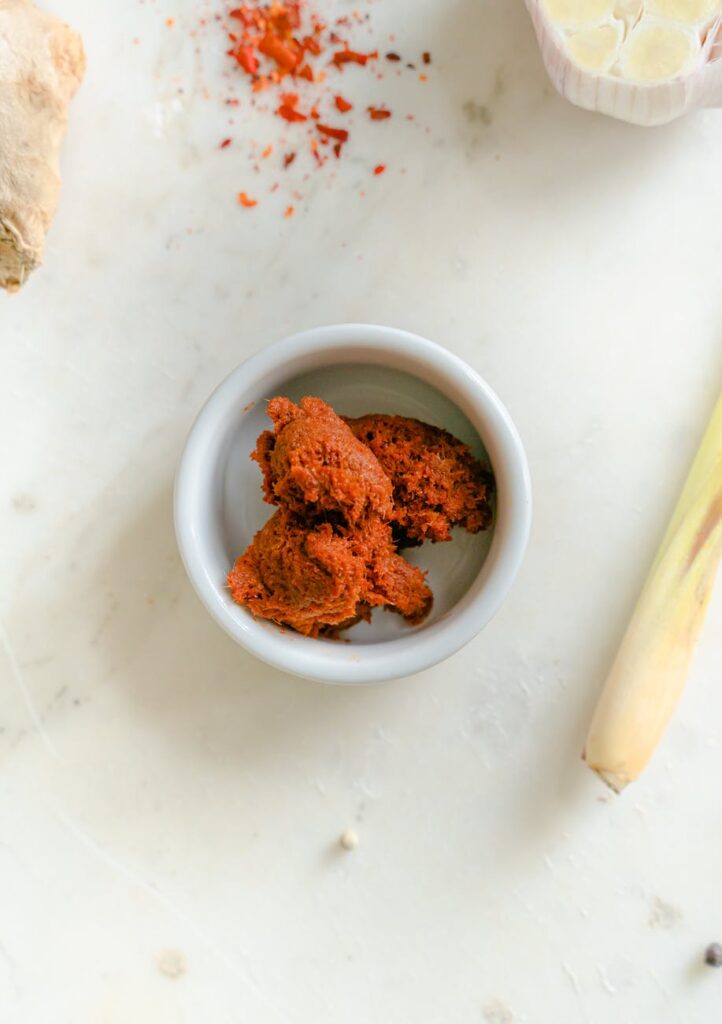
Miso: Myths and Misconceptions
Introduction
Miso, a traditional Japanese fermented soybean paste, has gained worldwide recognition for its rich umami flavor and versatility in various culinary applications. While its popularity continues to rise, many myths and misconceptions about this ingredient persist. Understanding the truth about miso is essential for both culinary enthusiasts and those seeking to incorporate it into their diets. This guide aims to clarify common misunderstandings surrounding miso and provide a comprehensive overview of its history, production, and culinary uses.
What Is Miso?
Miso is a fermented paste made primarily from soybeans, salt, and a specific type of mold known as Aspergillus oryzae, along with other ingredients such as rice or barley. The fermentation process involves the conversion of carbohydrates and proteins in soybeans into amino acids and other compounds that enhance flavor, resulting in its distinctive salty, savory profile. Miso is typically classified into several varieties, each with its own unique flavor, color, and texture, ranging from white (shiro) to red (aka) and mixed (awase).
History and Origins
The origins of miso can be traced back over a thousand years to ancient China, where it was initially used as a condiment and preservative. The practice of fermenting soybeans spread to Japan around the 7th century, where it evolved into the miso we know today. Over centuries, miso became a staple in Japanese cuisine, often utilized in soups, marinades, and sauces. Each region in Japan developed its own style of miso, influenced by local ingredients and fermentation techniques, contributing to the diverse range of flavors found today.
Production and Processing
The production of miso involves several critical steps:
1. Soaking and Cooking Soybeans: Dried soybeans are soaked in water and then boiled until they are soft. This step is essential for breaking down the beans’ structure, facilitating fermentation.
2. Inoculation with Koji: The cooked soybeans are then mixed with koji, a culture made from steamed rice or barley that has been inoculated with Aspergillus oryzae. The koji introduces enzymes that begin to break down the starches and proteins in the soybeans.
3. Fermentation: The mixture is placed in fermentation vessels and left to mature for a period ranging from a few weeks to several years, depending on the desired flavor profile. During this time, the enzymatic activity transforms the mixture into miso.
4. Maturation and Packaging: Once fermentation is complete, the miso is blended, packed, and stored. Some varieties may undergo additional processing, such as pasteurization.
Quality and Grading
Miso quality can vary significantly based on factors such as the ingredients used, fermentation duration, and production methods. High-quality miso typically features a complex and balanced flavor profile, with a smooth texture. Grading systems may differ by region, but common indicators of quality include:
- Color: Ranging from light beige to deep reddish-brown, color can indicate the fermentation period and flavor intensity.
- Aroma: A rich, savory aroma is often associated with well-fermented miso.
- Texture: Quality miso should have a smooth, paste-like consistency without excessive graininess.
- Soups and Broths: Miso soup is a classic dish, but miso can also enhance the flavor of vegetable or meat broths.
- Dressings and Marinades: Miso adds depth to salad dressings and marinades, making it a popular choice for enhancing grilled meats and vegetables.
- Sauces: It can be incorporated into glazes for fish or meat, or used as a base for sauces, adding a savory element to a range of dishes.
- Baking: Some innovative bakers experiment with miso in desserts, where its umami richness can complement sweet flavors, such as in miso caramel or cookies.
When purchasing miso, it is advisable to seek out products from reputable producers who adhere to traditional fermentation practices.
Buying Considerations
When selecting miso, consider the following factors:
1. Type of Miso: Choose a variety that complements your intended use. For example, lighter miso is often used in soups and dressings, while darker miso is better suited for marinades and hearty dishes.
2. Ingredient Quality: Look for miso made from organic or non-GMO soybeans, if possible. The quality of ingredients directly impacts the flavor and nutritional profile of the final product.
3. Fermentation Time: Longer fermentation typically results in richer, more complex flavors. Check labels for information on fermentation duration when available.
4. Packaging: Miso is usually sold in vacuum-sealed containers or jars. Ensure the packaging is intact and free from damage, as exposure to air can spoil the product.
5. Local vs. Imported: While local miso may offer freshness and unique regional flavors, imported varieties can also provide authentic taste experiences.
Uses and Applications
Miso’s versatility extends beyond traditional Japanese cuisine. It can be used in a variety of culinary applications, including:
Storage and Shelf Life
Miso should be stored in a cool, dark place, ideally in the refrigerator after opening to maintain its flavor and prevent spoilage. Unopened miso can be stored at room temperature, but exposure to heat and light can diminish its quality.
The shelf life of miso varies depending on its type and fermentation time. Generally, it can last for several months to even years when properly stored. However, over time, miso may darken and develop stronger flavors, which could be desirable or undesirable based on personal preference.
Common Misconceptions
Despite its popularity, several misconceptions about miso persist:
1. M