
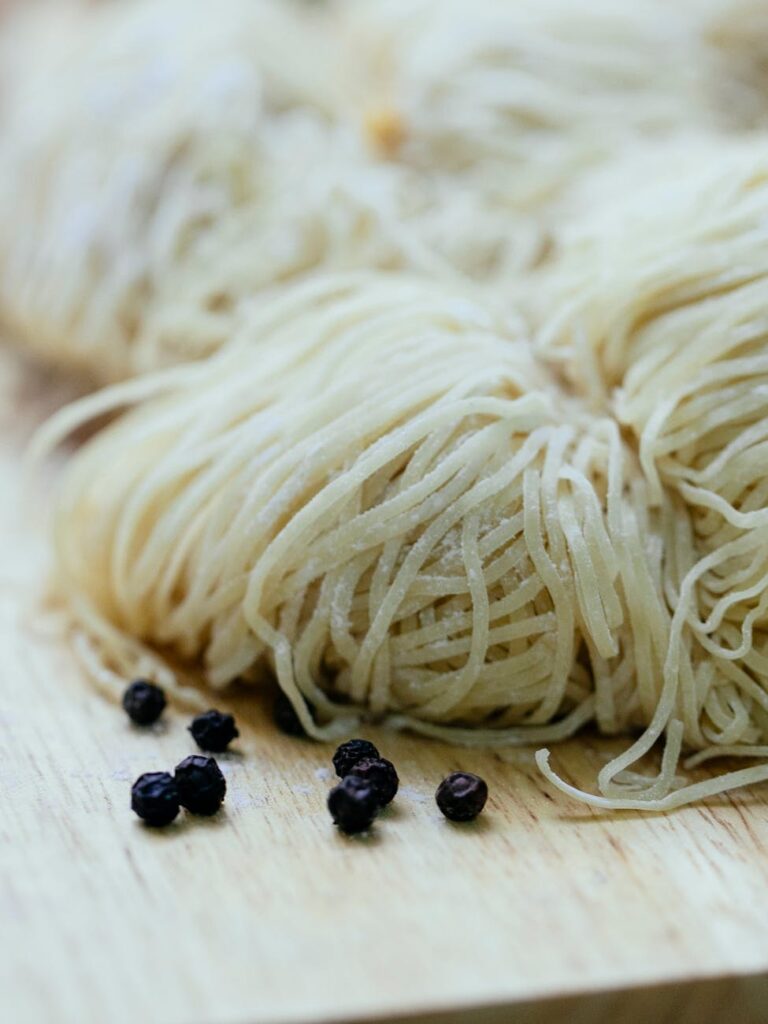
Miso Noodles Around the World
Introduction
Miso noodles, a delightful fusion of two beloved culinary elements—miso and noodles—have garnered a significant following in global gastronomy. The umami-rich flavor of miso, a fermented soybean paste, combined with the versatility of noodles, creates a dish that is both satisfying and complex. As culinary enthusiasts explore the depths of various regional cuisines, miso noodles have emerged as a staple in both traditional and contemporary cooking. This article delves into the diverse regions that embrace miso noodles, examining their history, production methods, quality standards, and myriad applications.
What Is Regions?
In the context of food ingredients, “regions” refers to the geographical areas that influence the cultivation, production, and consumption of specific ingredients. Each region brings unique characteristics to the culinary landscape, shaped by local traditions, climate, and agricultural practices. Miso noodles, although rooted in Japanese cuisine, have transcended borders, finding adaptations and interpretations across various cultures. Understanding the regional nuances of miso noodles provides insight into not only the dish itself but also the culinary philosophies that accompany it.
History and Origins
The story of miso can be traced back over a thousand years to ancient China, where it began as a fermented soybean paste. The technique of fermentation was brought to Japan in the 7th century, where it was further refined and integrated into local cuisine. Miso became an essential part of the Japanese diet, celebrated for its flavor and nutritional benefits.
Noodles, on the other hand, have an equally storied history. Originating from ancient Asia, noodles have evolved over centuries, with varying styles emerging in different regions. In Japan, wheat-based udon and soba noodles are popular, while rice noodles are favored in Southeast Asia. The fusion of miso with noodles is a relatively modern innovation, reflecting the culinary evolution that occurred throughout the 20th century as food cultures began to intermingle.
Today, miso noodles are enjoyed not only in Japan but also in various forms across the globe, showcasing the adaptability of this ingredient.
Production and Processing
The production of miso noodles involves several key steps, each contributing to the final product’s flavor and texture. The two primary components—miso and noodles—are produced through distinct processes.
Miso Production
Miso is made by fermenting cooked soybeans with salt and a specific culture known as kōji, which is a mold (Aspergillus oryzae) that helps facilitate fermentation. The fermentation period can vary from a few weeks to several years, depending on the desired flavor profile. The resulting paste can range from light and sweet (white miso) to dark and savory (red miso).
Noodle Production
Noodles used in miso noodle dishes can be made from various grains, including wheat and rice. The production process typically includes mixing flour with water and kneading it to develop gluten, which provides the noodles with their characteristic chewiness. After kneading, the dough is rolled out, cut, and boiled to create fresh noodles.
Combining Miso and Noodles
Once both components are prepared, miso can be either mixed directly into the noodle dough or used as a flavorful sauce or broth served alongside the noodles. This versatility allows chefs to experiment with different textures and flavor balances, enhancing the dining experience.
Quality and Grading
The quality of miso noodles can significantly affect the overall taste and satisfaction of the dish. Miso itself is graded based on several factors, including fermentation time, flavor, aroma, and color. High-quality miso tends to have a rich, complex flavor with a well-rounded umami profile.
Similarly, the quality of noodles is determined by their texture, elasticity, and flavor. Fresh noodles are generally preferred, as they offer superior taste and mouthfeel compared to dried varieties. When purchasing miso noodles, consumers should look for products that highlight the quality of both the miso and the noodles, often indicated by artisanal production methods or regional sourcing.
Buying Considerations
When selecting miso noodles, several factors should be taken into account to ensure a satisfying culinary experience:
1. Ingredients: Look for products that use high-quality, natural ingredients. Avoid those with artificial flavors or preservatives.
2. Texture: Fresh noodles will provide a superior texture compared to dried ones. If possible, opt for freshly made noodles.
3. Miso Type: Different types of miso (white, red, or mixed) will impart distinct flavors. Consider the flavor profile you desire for your dish.
4. Origin: Many regions produce specialty miso and noodles. Understanding the origin can enhance your culinary experience, as each region brings its unique characteristics.
5. Packaging: Pay attention to packaging that protects the noodles from moisture and air, as this will affect shelf life and quality.
Uses and Applications
Miso noodles can be utilized in a myriad of dishes, showcasing their versatility across various cuisines. In Japanese cuisine, miso noodles are frequently served in soups, where the miso broth provides a rich, comforting base. They can also be stir-fried, tossed into salads, or served cold in noodle salads, making them adaptable to different cooking styles and preferences.
Global Adaptations
The appeal of miso noodles has inspired chefs worldwide to incorporate them into their culinary repertoires. In Western cuisines, miso noodles are often combined with local ingredients, such as grilled vegetables or proteins, to create fusion dishes that celebrate both traditional and contemporary flavors. In Southeast Asian countries, miso noodles may be featured in spicy broths or paired with aromatic herbs and spices, highlighting the region’s culinary diversity.
Storage and Shelf Life
The storage and shelf life of miso noodles are crucial factors to consider for maintaining their quality.
Miso Storage
Miso paste should be stored in an airtight container in the refrigerator, where it can last for several