
Miso Noodles FAQs Answered
Introduction
Miso noodles have emerged as a culinary delight, captivating food enthusiasts with their unique umami flavor and versatile applications. These noodles, enriched with the fermented soybean paste known as miso, are both nutritious and delicious. This article aims to delve deeply into all aspects of miso noodles, providing comprehensive answers to frequently asked questions, thereby enhancing your understanding and appreciation of this unique ingredient.
What Is Miso Noodles?
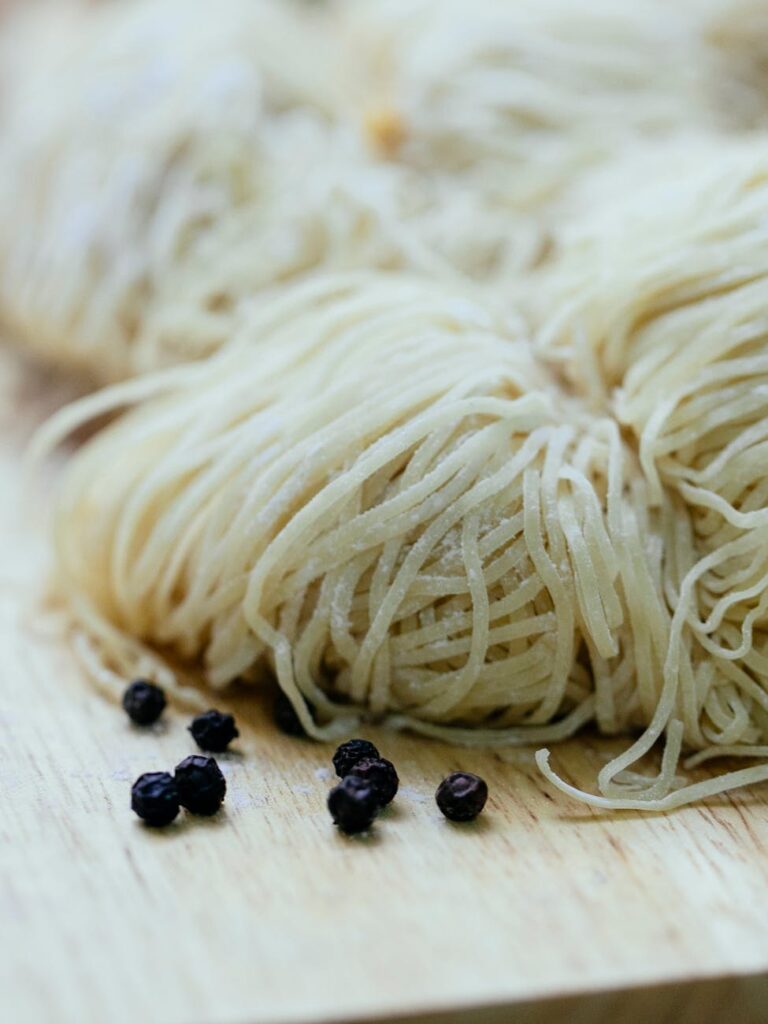
Miso noodles are a type of noodle that incorporates miso paste into their dough, infusing them with a rich, savory flavor. Miso, a staple in Japanese cuisine, is produced by fermenting soybeans with salt and a specific type of mold called koji. The result is a thick, flavorful paste that not only enhances the taste of various dishes but also contributes to their nutritional profile. Miso noodles can be made from different types of flour, including wheat, rice, or buckwheat, catering to diverse dietary needs and preferences.
History and Origins
The origins of miso can be traced back over a thousand years to ancient China, where it was known as “jiang,” a fermented soybean product. The Japanese adopted and adapted this technique, leading to the development of miso as we know it today. Miso’s popularity surged during the Edo period (1603-1868), becoming a staple ingredient in Japanese households. As global culinary trends evolved, chefs began to explore innovative uses for miso, including its incorporation into noodle dishes. Miso noodles thus represent a fusion of traditional Japanese flavors with modern culinary creativity.
Production and Processing
The process of making miso noodles begins with the preparation of the miso paste. Soybeans are soaked, steamed, and fermented with koji mold and salt. After fermentation, which can last anywhere from a few months to several years, the miso is ready to be incorporated into noodle dough.
The noodle-making process involves mixing the miso paste with flour and water, followed by kneading and rolling out the dough. The dough is then cut into the desired noodle shape and size. Depending on the intended use, the noodles can be boiled, stir-fried, or added to soups. The quality of the miso used in the noodle production significantly influences the flavor profile, making the choice of miso a crucial element in the production process.
Quality and Grading
Miso noodles can vary in quality based on several factors, most notably the type of miso used and the production methods employed. Miso itself is graded based on its flavor, color, and aroma, which directly impacts the noodles’ characteristics.
1. Types of Miso: There are several varieties of miso, including white (shiro), red (aka), and mixed (awase) miso. Each type brings a distinct flavor and salt content, influencing the overall taste of the noodles.
2. Texture and Freshness: Freshly made noodles typically have a firmer texture and a more vibrant flavor compared to dried varieties. Those seeking premium quality should look for noodles made with artisanal methods and high-quality ingredients.
3. Labeling: When purchasing miso noodles, look for labels that indicate the type of miso used and any certifications (e.g., organic, non-GMO) that align with your preferences.
Buying Considerations
When buying miso noodles, consider the following factors to ensure you select a product that meets your culinary needs:
1. Ingredients: Check the ingredient list for high-quality flour and authentic miso paste. Avoid products with artificial additives or preservatives.
2. Type of Miso: Depending on the intended application, choose a noodle made with the type of miso that complements your dish. For instance, lighter miso varieties work well in delicate soups, while stronger miso can enhance heartier dishes.
3. Form: Miso noodles come in various forms, including fresh, dried, and frozen. Fresh noodles offer superior flavor and texture but have a shorter shelf life, while dried noodles are convenient for long-term storage.
4. Allergens: Be mindful of potential allergens, especially if you have dietary restrictions. Some noodles may contain gluten or other allergens.
5. Brand Reputation: Research brands for quality and reliability. Established brands often provide more consistent products.
Uses and Applications
Miso noodles are incredibly versatile and can be used in various culinary applications, including:
1. Soups: Miso noodles are a popular addition to ramen and udon soups, where their rich flavor complements the broth.
2. Stir-Fries: They can be sautéed with vegetables and proteins, absorbing flavors and adding depth to the dish.
3. Cold Dishes: Miso noodles can be served cold in salads or as a base for summer dishes, often paired with fresh vegetables and dressings.
4. Fusion Cuisine: Chefs often experiment with miso noodles in non-traditional dishes, blending them with various global flavors to create innovative meals.
5. Nutritional Bowls: They can be incorporated into grain bowls alongside vegetables, proteins, and sauces, making them a nutritious option for balanced meals.
Storage and Shelf Life
The storage method and shelf life of miso noodles can vary based on their form:
1. Fresh Miso Noodles: These should be stored in the refrigerator and typically last about 3-5 days. It is best to consume them soon after purchase for optimal flavor and texture.
2. Dried Miso Noodles: Dried varieties can be stored at room temperature in a cool, dry place and have a shelf life of several months to a year. Ensure the packaging is sealed to prevent moisture absorption.
3. Frozen Miso Noodles: If you have purchased frozen noodles, they can last several months in the freezer. Ensure they are stored in airtight packaging to maintain quality.
Always refer to the packaging for specific storage instructions and expiration dates, as these can vary by brand.
Common Misconceptions
Several misconceptions surround miso noodles, which can lead to confusion among consumers:
1. All Miso Noodles Are the Same: Not all miso noodles are created equal. The type of miso used, the flour, and the production method can significantly affect taste and texture.
2. Miso Noodles Are Only for Japanese Dishes: While they are commonly associated with Japanese cuisine, miso noodles can be incorporated into a wide range of global dishes, making them a versatile ingredient.
3. Miso Noodles Are Unhealthy: Miso is a fermented food that can offer nutritional benefits. When consumed in moderation, miso noodles can be part of a balanced diet.
4. Cooking Miso Noodles Removes Their Flavor: While prolonged cooking can diminish the flavor of miso, quick cooking methods, such as boiling or stir-frying, preserve their taste.
Frequently Asked Questions
1. Can I make miso noodles at home?
Yes, miso noodles can be made at home using flour, water, and miso paste. The process involves kneading the ingredients together, rolling out the dough, and cutting it into desired shapes. However, the quality of the miso and the technique you use will greatly affect the final product.
2. What are the best types of miso to use for noodles?
The choice of miso depends on personal preference and the intended dish. White miso has a milder flavor, ideal for lighter dishes, while red miso offers a stronger taste that pairs well with robust flavors. Mixed miso provides a balanced option that can complement various recipes.
3. Are miso noodles gluten-free?
Not all miso noodles are gluten-free, as they are often made from wheat flour. For gluten-free options, look for noodles specifically labeled as such, typically made with rice or other gluten-free flours.
4. How do I cook miso noodles?
Cooking methods for miso noodles can vary. Generally, they can be boiled in water until tender, sautéed in a stir-fry, or added directly to soups. Always refer to the package instructions for specific cooking times and methods.
5. Can I substitute regular noodles with miso noodles in recipes?
Miso noodles can often be substituted for regular noodles, but be mindful of the flavor profile they bring. Their unique umami taste may enhance some dishes while overpowering others, so consider the overall balance of flavors in your recipe.
6. Are there any health benefits to eating miso noodles?
Miso is a fermented food that is often considered beneficial for digestive health due to its probiotic content. However, the specific health benefits of miso noodles will depend on the overall dish and ingredients used. It is advisable to consume them as part of a balanced diet.
Conclusion
Miso noodles are a flavorful and versatile ingredient that can elevate a variety of dishes. Understanding their history, production, and applications allows for a more profound appreciation of this unique culinary element. Whether you are a seasoned chef or an enthusiastic home cook, incorporating miso noodles into your culinary repertoire can lead to exciting and delicious results.