
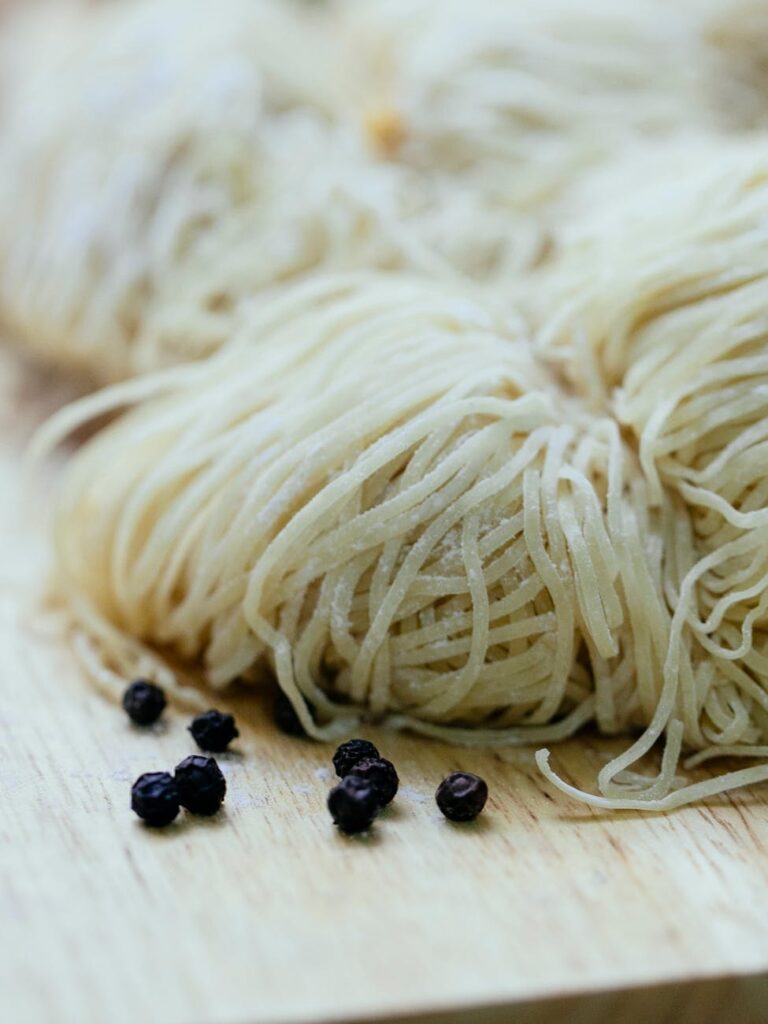
Miso Noodles: Myths and Misconceptions
Introduction
Miso noodles, a delightful staple of Japanese cuisine, have gained popularity worldwide due to their unique flavor and versatility. While many individuals appreciate these noodles for their taste and nutritional benefits, misconceptions abound. This article seeks to clarify common myths and misconceptions surrounding miso noodles, providing an in-depth understanding of this intriguing ingredient.
What Is Miso Noodles?
Miso noodles are typically made from wheat flour and infused with miso, a fermented soybean paste renowned for its umami flavor. The result is a noodle that not only carries the rich, savory essence of miso but also boasts a unique texture. Miso noodles can be used in a variety of dishes, from soups and salads to stir-fries, making them an adaptable choice for both traditional and modern culinary applications.
History and Origins
The origins of miso date back over a thousand years to ancient China before making its way to Japan, where it evolved into a fundamental component of Japanese cuisine. Miso itself is created through a fermentation process involving soybeans, salt, and a specific type of mold known as koji. The introduction of miso into noodle recipes reflects Japan’s long-standing tradition of blending flavors and textures.
Miso noodles, in their various forms, have developed alongside the evolution of Japanese culinary practices. They are often served in regional dishes, influenced by local ingredients and tastes, thus contributing to the rich tapestry of Japan’s gastronomic heritage.
Production and Processing
The production of miso noodles involves several key steps. Initially, high-quality wheat flour is blended with miso paste, which is then hydrated and kneaded to form a dough. This dough is rolled out and cut into noodles of varying thickness and length, depending on the desired final product.
The fermentation process of the miso not only enhances its flavor profile but also contributes to the nutritional value of the noodles. During fermentation, beneficial probiotics develop, which can aid in digestion and overall gut health. After processing, the noodles are often dried or packaged fresh, depending on the intended market.
Quality and Grading
Not all miso noodles are created equal. Quality can vary significantly based on the type of miso used, the production methods, and the ingredients involved. Generally, miso noodles are graded based on their texture, flavor, and aroma.
1. Texture: High-quality miso noodles should have a firm yet tender bite, allowing them to hold sauces and flavors well.
2. Flavor: The intensity of the miso flavor can range from mild to strong, depending on the type of miso used (e.g., white, yellow, or red miso). Top-notch miso noodles will showcase a balanced umami flavor without overwhelming the palate.
3. Color and Aroma: Fresh miso noodles should exhibit a pleasant aroma, indicative of quality ingredients and proper fermentation.
When purchasing miso noodles, consumers should look for products that specify the type and grade of miso used, as this can significantly affect the overall quality of the noodles.
Buying Considerations
When selecting miso noodles, consider the following factors to ensure you are making an informed choice:
1. Ingredient Quality: Look for noodles made with high-quality wheat flour and authentic miso. Avoid products with artificial flavors or preservatives.
2. Miso Type: Different types of miso impart different flavors. White miso tends to be milder and sweeter, while red miso is richer and saltier. Choose based on your flavor preference.
3. Freshness: Check the packaging for dates to ensure the noodles are fresh. Fresh noodles will typically have a shorter shelf life but offer superior taste and texture.
4. Packaging: Proper packaging can protect noodles from moisture and light, preserving their quality. Look for vacuum-sealed or opaque packaging.
5. Price: While high-quality miso noodles may be more expensive, investing in quality can enhance your culinary experience.
Uses and Applications
Miso noodles can be utilized in a variety of culinary applications, thanks to their unique flavor and texture. Some popular uses include:
- Soups and Broths: Miso noodles are often featured in traditional dishes such as miso ramen, where they absorb the rich flavors of the broth.
- Stir-fries: Their firm texture allows miso noodles to hold up well in stir-fried dishes, absorbing sauces and complementing vegetables and proteins.
- Salads: Miso noodles can be chilled and tossed with fresh vegetables and dressings for a refreshing salad option.
- Cold Dishes: These noodles can also be served cold, drizzled with sesame oil and garnished with scallions, for a light dish.
The versatility of miso noodles allows for creativity in the kitchen, enabling chefs to experiment with various ingredients and cooking techniques.
Storage and Shelf Life
Proper storage of miso noodles is essential to maintain their quality and flavor. Fresh miso noodles should be stored in the refrigerator and consumed within a week for optimal freshness. Dried miso noodles have a longer shelf life, typically lasting several months to a year when kept in a cool, dry place.
To extend their shelf life, consider vacuum-sealing dried miso noodles. Once opened, reseal them tightly to prevent moisture from affecting their quality. Always check for signs of spoilage, such as off-smells or changes in texture, before use.
Common Misconceptions
Despite their popularity, several myths and misconceptions about miso noodles persist. Here are some of the most common:
Myth 1: All Miso Noodles Are Gluten-Free
While miso noodles are made from wheat flour, some consumers mistakenly believe they are gluten-free. It is essential to check the packaging for gluten-free labeling if this is a dietary concern.