
Miso: Origins and Evolution
Introduction
Miso, a traditional Japanese ingredient, has carved its niche in culinary practices worldwide, celebrated for its unique umami flavor and versatility. This fermented soybean paste has become synonymous with Japanese cuisine, but its roots and evolution are deeply intertwined with various historical and cultural influences. This article explores the origins, production processes, quality grading, and myriad uses of miso, shedding light on its significance and the common misconceptions surrounding it.
What Is Miso?
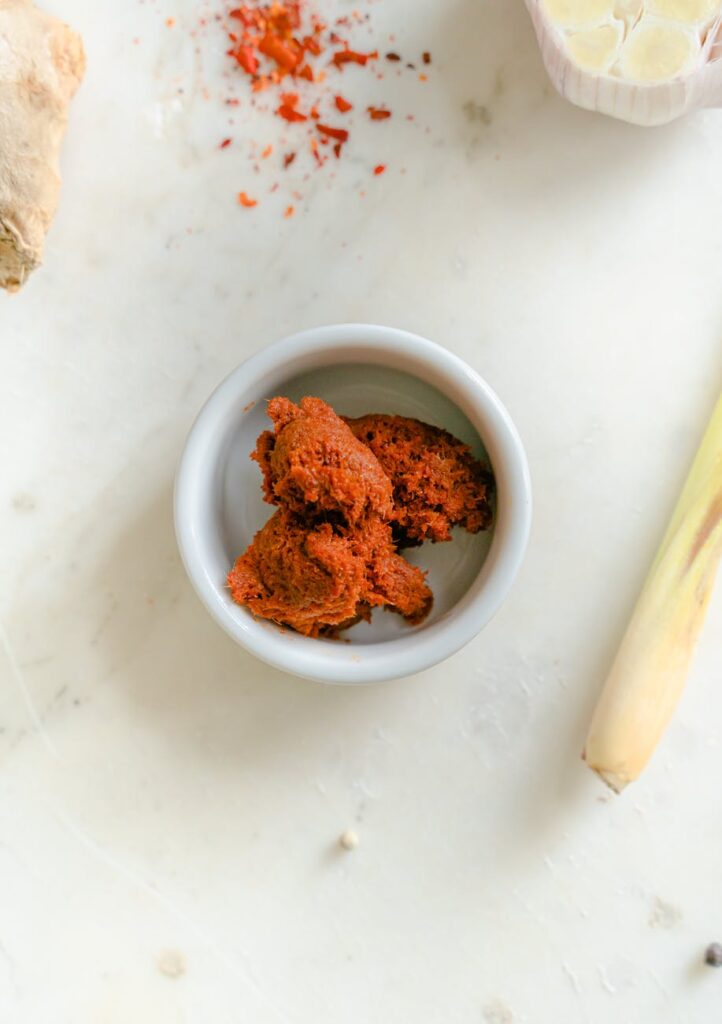
Miso is a thick paste made from fermented soybeans, often combined with grains like rice or barley, and seasoned with salt. The fermentation process involves the action of specific molds, typically Aspergillus oryzae, which convert starches into sugars, ultimately resulting in a complex flavor profile characterized by its rich umami taste. Miso varies in color, flavor, and texture, with types ranging from white (shiro) to red (aka) and mixed (awase). Each type brings its own unique attributes to dishes, influencing not only taste but also nutritional value.
History and Origins
The origins of miso can be traced back over 1,300 years to ancient China, where a similar fermented paste was produced. It is believed that Buddhist monks brought the technique to Japan during the Nara period (710-794 CE), where it evolved into the product we recognize today. Initially, miso was primarily used as a condiment, but its role expanded to become a staple in Japanese households.
The production of miso flourished during the Edo period (1603-1868), when its popularity surged due to the growing merchant class and an increased focus on culinary arts. Different regions of Japan began to develop their own specialty miso varieties, influenced by local climates, ingredients, and fermentation methods. This regional diversification laid the foundation for the wide array of miso types available today.
Production and Processing
The production of miso involves several key steps: soaking, steaming, inoculating, fermenting, and aging.
1. Soaking and Steaming: The process begins with soaking soybeans in water, often overnight, to rehydrate them. After soaking, the beans are cooked until soft, usually by steaming.
2. Inoculating: Once cooked, the soybeans are mashed and combined with koji—cooked rice or barley inoculated with the mold Aspergillus oryzae. This koji serves as the catalyst for fermentation, introducing enzymes that break down starches and proteins.
3. Fermenting: The mixture is then combined with salt and placed in a fermentation vessel. The fermentation period can vary widely, from a few weeks to several years. Longer fermentation times yield deeper flavors and darker colors.
4. Aging: After fermentation, the miso may be aged further to develop its flavor profile. The final product is then packed and stored, ready for distribution.
The precise conditions under which miso is produced can significantly impact its flavor, texture, and nutritional content. Factors such as temperature, humidity, and the specific strains of koji used can create a wide variety of miso types.
Quality and Grading
Miso quality is determined by several factors, including its flavor, aroma, texture, and appearance. Japanese miso is often graded based on its color, with lighter misos generally being sweeter and darker misos exhibiting a stronger umami flavor.
1. Color: The color of miso ranges from pale beige to deep brown, indicating the degree of fermentation and the specific ingredients used. White miso (shiro) is typically sweeter and milder, while red miso (aka) is saltier and richer.
2. Flavor Profile: The flavor can also vary widely depending on the fermentation process, with factors like the length of fermentation and the type of koji affecting the final taste.
3. Texture: Miso should be smooth and creamy, though some artisanal varieties may retain a chunkier texture, reflecting traditional production methods.
4. Aroma: A well-crafted miso will have a rich, inviting aroma, indicative of the fermentation process. Off-putting smells can suggest poor quality or improper fermentation.
Buying Considerations
When purchasing miso, several factors should be taken into account to ensure quality:
1. Type: Familiarize yourself with the different types of miso and their flavor profiles. Choose based on your intended use; lighter misos are excellent for dressings and marinades, while darker misos shine in soups and stews.
2. Ingredients: Check the ingredient list for additives or preservatives, as high-quality miso should contain minimal ingredients—typically just soybeans, koji, salt, and possibly additional grains.
3. Freshness: Opt for products with a recent production date. Although miso can have a long shelf life, fresher miso tends to have a more vibrant flavor.
4. Packaging: Look for miso packaged in airtight containers to maintain its quality. Glass jars are preferable to plastic for long-term storage.
5. Source: Consider purchasing from reputable brands or local producers known for traditional fermentation methods.
Uses and Applications
Miso’s versatility extends far beyond traditional Japanese dishes. While it is commonly used in miso soup, it can enhance a wide range of culinary applications:
1. Soups and Broths: Miso soup is a classic dish, but miso can also be used to enrich vegetable or meat broths.
2. Marinades and Glazes: Miso adds depth to marinades for meats and fish, imparting a savory quality that enhances the overall flavor.
3. Dressings and Sauces: Miso can be blended with oils, vinegar, and other ingredients to create flavorful dressings for salads and vegetables.
4