
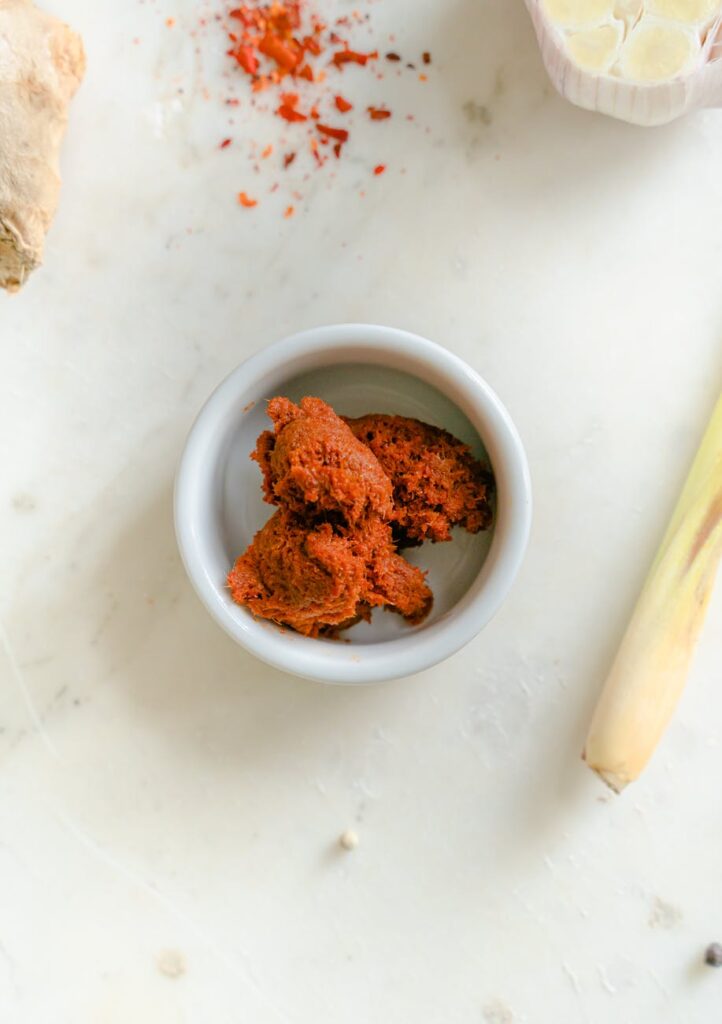
Miso: Origins and Evolution
Introduction
Miso, a traditional Japanese condiment, has gained international acclaim for its unique flavor profile and versatility in culinary applications. This fermented soybean paste is not only a staple in Japanese cuisine but also serves as a bridge connecting various global culinary traditions. As we explore the origins and evolution of miso, we will uncover its rich history, production methods, and the factors that contribute to its quality, as well as its diverse applications in modern cooking.
What Is Miso?
Miso is a fermented paste made primarily from soybeans, salt, and a fermenting agent known as koji, which is derived from the mold Aspergillus oryzae. The fermentation process can last from a few months to several years, resulting in a product that varies in flavor, texture, and color. Miso typically ranges from sweet, mild varieties to more robust, salty types, depending on the ingredients and fermentation duration. It is commonly used in soups, marinades, dressings, and sauces, making it a highly versatile component in both traditional and contemporary recipes.
History and Origins
The origins of miso can be traced back over 1,300 years to ancient China, where it was known as “jiang.” This early form of fermented soybean paste eventually made its way to Japan around the 7th century. Initially, miso was a luxury item, consumed mainly by the aristocracy and religious figures. It was not until the Edo period (1603-1868) that miso became more widely available to the general populace, thanks to advances in fermentation techniques and increased soybean cultivation.
During this time, different regions in Japan began to develop their unique styles of miso, influenced by local ingredients, climate, and culinary traditions. For example, regions like Nagoya and Kyoto are known for their distinct types of miso, such as red and white miso, respectively. These regional varieties reflect the rich tapestry of Japan’s culinary landscape and have evolved to suit local tastes and preferences.
Production and Processing
The production of miso involves several key steps: ingredient selection, fermentation, and aging. The primary ingredients include soybeans, koji (a fermented rice, barley, or soybean), and salt.
1. Ingredient Selection: The quality of miso begins with its ingredients. High-quality soybeans are essential, and different varieties can impart varying flavors and textures. The koji, which serves as the fermenting agent, is cultivated on steamed rice, barley, or even soybeans, contributing to the final product’s unique characteristics.
2. Fermentation: The soybeans are soaked, steamed, and then mixed with koji and salt. This mixture is placed in fermentation vessels, where it undergoes a controlled fermentation process. The duration of fermentation can vary significantly; shorter fermentation periods yield milder miso, while longer fermentation can produce richer, more complex flavors.
3. Aging: After fermentation, miso is often aged to enhance its flavors. This aging process can take place in wooden barrels or stainless steel tanks, depending on the desired outcome. The aging period can range from a few months to several years, with longer aging times resulting in deeper, more robust flavors.
Quality and Grading
The quality of miso can be assessed based on several factors, including flavor, aroma, texture, and color. Miso is typically classified into three main categories: white, yellow, and red.
- White Miso (Shiro Miso): This type is fermented for a shorter period and has a sweet, mild flavor. It is often made with a higher proportion of rice koji, resulting in a light color and creamy texture.
- Yellow Miso (Shinshu Miso): A middle ground between white and red miso, yellow miso has a balanced flavor profile and is versatile in various dishes.
- Red Miso (Aka Miso): Aged for longer, red miso has a stronger, saltier flavor and darker color. It is typically richer and can be more complex in taste, often used in hearty soups and marinades.
- Soups and Broths: Miso is the star ingredient in miso soup, providing depth and complexity. It can also enhance other broths and stocks.
- Marinades: Miso’s robust flavor profile makes it an ideal base for marinades, particularly for grilled or roasted meats and vegetables.
- Dressings and Sauces: Whisking miso into dressings adds a savory richness, while it can also be incorporated into sauces for pasta or
Quality grading can also involve evaluating the miso’s aroma and clarity. Premium miso is often characterized by a clean, pleasant aroma and a smooth texture, while lower-grade varieties may have an off-putting smell or gritty consistency.
Buying Considerations
When purchasing miso, it is essential to consider several factors to ensure you select a high-quality product that meets your culinary needs:
1. Type of Miso: Choose a type based on your intended use. For delicate dressings, white miso might be preferable, while red miso is better suited for hearty stews.
2. Ingredient Quality: Look for miso made from organic soybeans and natural ingredients, avoiding those with additives or preservatives.
3. Fermentation Time: Check for information regarding fermentation duration, as longer fermentation typically results in more complex flavors.
4. Packaging: Miso is often sold in plastic containers or vacuum-sealed packages. Ensure the packaging is intact to preserve freshness.
5. Brand Reputation: Opt for brands that specialize in traditional fermentation methods and have a solid reputation for quality.
Uses and Applications
Miso’s versatility extends beyond its traditional use in miso soup. Its rich umami flavor makes it an excellent addition to a wide range of dishes: