
Miso Paste About Guide Part 6
Introduction
Miso paste, a cornerstone of Japanese cuisine, has gained global recognition for its unique umami flavor and versatility. As a fermented soybean product, its rich history, diverse applications, and health benefits have made it a staple in many kitchens. This guide delves into the essential aspects of miso paste, offering insights into its origins, production methods, and culinary uses, while also addressing common misconceptions and frequently asked questions.
What Is Miso Paste?
Miso paste is a traditional Japanese condiment made from fermented soybeans, salt, and a specific type of mold known as Aspergillus oryzae, or koji. The fermentation process can vary in duration and environmental factors, resulting in a range of flavors, colors, and textures. Miso is categorized primarily into three types: white (shiro), yellow (shinshu), and red (aka), each offering distinct taste profiles and culinary applications. The paste is not only valued for its flavor but also for its potential nutritional benefits, including protein, vitamins, and probiotics.
History and Origins
The origins of miso can be traced back over 1,300 years to ancient China, where it was known as “jiang.” The technique of fermenting soybeans with koji was introduced to Japan during the 7th century, leading to the development of miso as we know it today. Initially, miso was a luxury item consumed by the elite. However, as fermentation techniques spread and improved, miso became more accessible to the general populace.
Throughout the centuries, miso evolved regionally in Japan, leading to various local styles and preferences. The Edo period (1603-1868) marked a significant turning point, as the production of miso became more industrialized, allowing for wider distribution and the establishment of miso as a staple in Japanese households.
Production and Processing
The production of miso involves several key steps:
1. Soaking and Cooking Soybeans: Soybeans are soaked in water for several hours, then boiled until soft.
2. Koji Cultivation: The cooked soybeans are mixed with koji, a mold culture that initiates fermentation. This mixture is then incubated at a controlled temperature and humidity to promote mold growth.
3. Fermentation: The koji-soybean mixture is combined with salt and sometimes additional ingredients, such as rice or barley. This mixture is placed in fermentation vessels and left to mature for anywhere from a few months to several years, depending on the desired flavor profile.
4. Aging: The aging process is crucial, as it develops the complex flavors and aromas associated with miso. During this time, enzymes break down the soy proteins and sugars, creating the characteristic taste.
5. Packaging and Distribution: Once fermentation is complete, the miso is pasteurized, packaged, and distributed for consumption.
Different regions in Japan have developed their own unique methods and ingredients, leading to a vast diversity in miso types.
Quality and Grading
The quality of miso paste can vary significantly based on production methods, ingredients, and fermentation time. When assessing the quality of miso, several factors are considered:
- Flavor: High-quality miso should have a balanced flavor profile, with a pleasant umami richness and minimal bitterness.
- Texture: The paste should be smooth yet cohesive, without excessive graininess or separation.
- Color: Miso color can range from pale beige to deep brown, with darker misos typically having a stronger flavor.
- Aroma: Fresh miso has a fragrant, earthy aroma, while older miso may have a more pronounced, pungent scent.
- Type: Choose a miso type that aligns with your culinary needs. White miso is milder and sweeter, making it suitable for dressings and soups, while red miso has a stronger, more robust flavor ideal for hearty dishes.
- Ingredients: Look for miso with minimal additives. Authentic miso should primarily contain soybeans, salt, and koji.
- Origin: Many culinary experts advocate for locally produced miso, as it often reflects regional flavor profiles and traditional techniques.
- Packaging: Misos are commonly available in jars or vacuum-sealed pouches. Check for airtight packaging to ensure freshness.
- Organic Certification: If you prefer organic products, look for certifications on the label to ensure the absence of pesticides or genetically modified organisms.
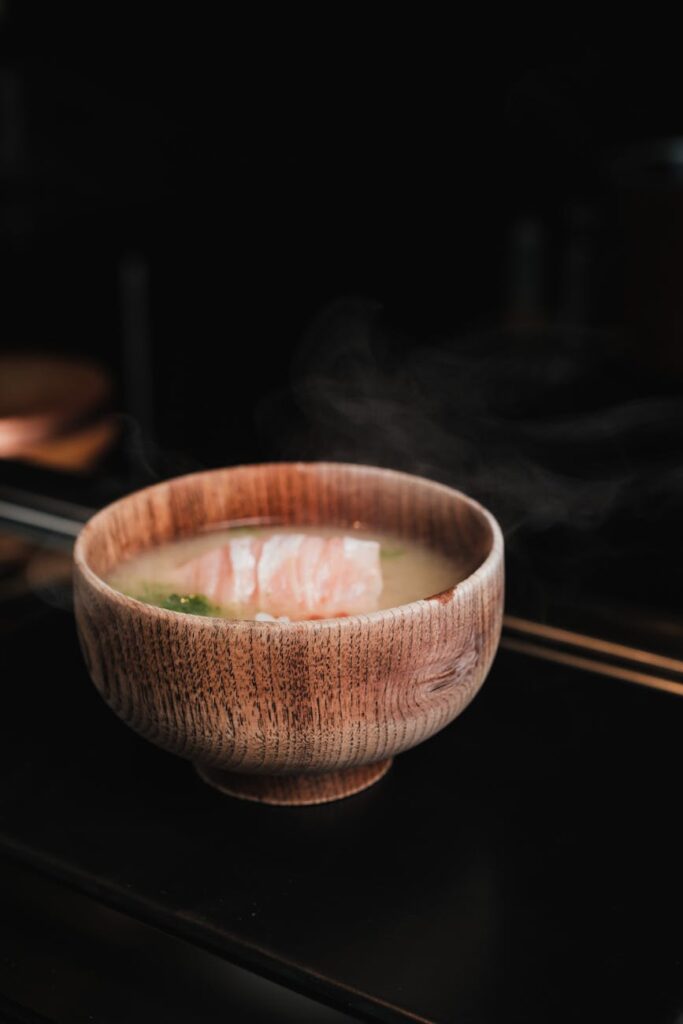
- Soups: Miso soup is a classic dish in Japanese cuisine, often served as an appetizer or breakfast item.
- Marinades: Miso can add depth to marinades for meats, fish, and vegetables, enhancing the umami flavor profile.
- Dressings: Whisking miso into salad dressings creates a creamy, flavorful base that elevates green salads and grain bowls.
- Dips and Spreads: Miso can be blended with ingredients like tahini or yogurt for a savory dip that pairs well with vegetables or crackers.
- Baking: Some innovative chefs incorporate miso into baked goods, adding a unique depth of flavor to cookies and breads.
- Sauces: Miso can be used as a base for sauces, lending complexity to dishes from stir-fries to glazes.
Grading systems vary, but premium misos are often made from organically grown soybeans and contain a higher percentage of koji. Additionally, artisanal producers may emphasize traditional fermentation methods, leading to richer flavors and nutritional profiles.
Buying Considerations
When purchasing miso paste, consider the following factors:
Uses and Applications
Miso paste is remarkably versatile and can be employed in various culinary contexts:
Storage and Shelf Life
Miso paste is shelf-stable due to its fermentation process but should be stored properly