
Miso Paste in Traditional Cuisine
Introduction
Miso paste, a staple in Japanese cooking, is a fermented soybean product that has garnered global attention for its unique umami flavor and versatility. As culinary trends continue to evolve, miso has found its way into various cuisines, but its roots lie deep within traditional Japanese gastronomy. This article will explore the multifaceted uses of miso paste, its historical significance, production methods, and its applications in modern kitchens.
What Is Miso Paste?
Miso is a thick paste produced through the fermentation of soybeans, salt, and a specific type of mold known as koji. This unique fermentation process not only imbues the paste with a rich, savory flavor but also contributes to its nutritional profile, making it a popular ingredient not just for taste but also for its potential health benefits.
Miso varies in color, flavor, and texture, which can depend on the ingredients used and the length of fermentation. The primary types include:
- White Miso (Shiro Miso): Typically sweeter and milder; often used in dressings and light soups.
- Red Miso (Aka Miso): More robust in flavor, with a longer fermentation process; ideal for heartier dishes.
- Mixed Miso (Awase Miso): A blend of white and red miso, offering a balanced taste.
- Color: A vibrant hue typically suggests freshness, while overly dark or dull colors may indicate degradation.
- Texture: A smooth and consistent texture without separation or graininess is preferred.
- Flavor Profile: A well-balanced umami flavor with a hint of sweetness is considered ideal.
Each type serves distinct culinary purposes, making miso a versatile ingredient.
History and Origins
Miso’s origins can be traced back over 1,300 years in Japan, where it was introduced as a form of preserved food. Initially, it was a luxury item consumed by the elite, but as fermentation techniques advanced, miso became more accessible to the general population.
The word “miso” itself means “bean paste” in Japanese, reflecting its primary ingredient. Over centuries, regional varieties developed, showcasing local ingredients and fermentation practices. For example, in the northern regions of Japan, where colder climates prevail, denser and saltier misos are more common, while southern areas produce lighter, sweeter variants.
Miso’s importance extended beyond food; it became a cultural symbol, often used in rituals and as an offering to deities. Today, miso is not only a staple in Japanese households but also a revered ingredient in various global cuisines.
Production and Processing
The production of miso is an intricate process that combines art and science. The fundamental steps include:
1. Preparation of Ingredients: Soybeans are soaked and then cooked until soft. Meanwhile, rice or barley is inoculated with koji mold, which is essential for fermentation.
2. Fermentation: The cooked soybeans are mashed and mixed with the koji and salt, creating a thick paste. This mixture is then transferred to fermentation containers, where it is left to ferment for several months to years, depending on the desired flavor profile.
3. Aging: During the aging process, the enzymes in the koji break down the proteins and starches in the soybeans, resulting in the development of amino acids, sugars, and other compounds that contribute to miso’s complex flavor.
4. Final Processing: After fermentation, the miso is often blended, pasteurized, or aged further to enhance its taste and texture before packaging.
This meticulous process reflects the craftsmanship involved in creating high-quality miso paste, emphasizing the importance of traditional methods in maintaining flavor integrity.
Quality and Grading
The quality of miso can vary significantly based on its ingredients, fermentation time, and production methods. High-quality miso is characterized by its aroma, flavor complexity, and texture.
Grading systems may differ across regions, but common indicators of quality include:
When purchasing miso, looking for artisanal brands or those produced using traditional methods can often yield superior results.
Buying Considerations
When selecting miso paste, several factors should be considered:
1. Type of Miso: Depending on the dish you plan to prepare, choose between white, red, or mixed miso. Each type has distinct flavor profiles suited for different culinary applications.
2. Ingredient Quality: Opt for organic or non-GMO soybeans and avoid misos with artificial additives or preservatives.
3. Packaging: Miso is often sold in tubs, jars, or vacuum-sealed packets. Ensure the packaging is intact to preserve freshness.
4. Local Producers: If possible, buy from local artisans or producers who follow traditional fermentation practices, as this often results in richer flavors.
5. Storage Recommendations: Check expiration dates and storage recommendations, as miso should be stored in a cool place and typically lasts longer when refrigerated.
Uses and Applications
Miso paste is a versatile ingredient that can enhance a wide range of dishes beyond traditional Japanese cuisine. Some prominent applications include:
Soups and Broths
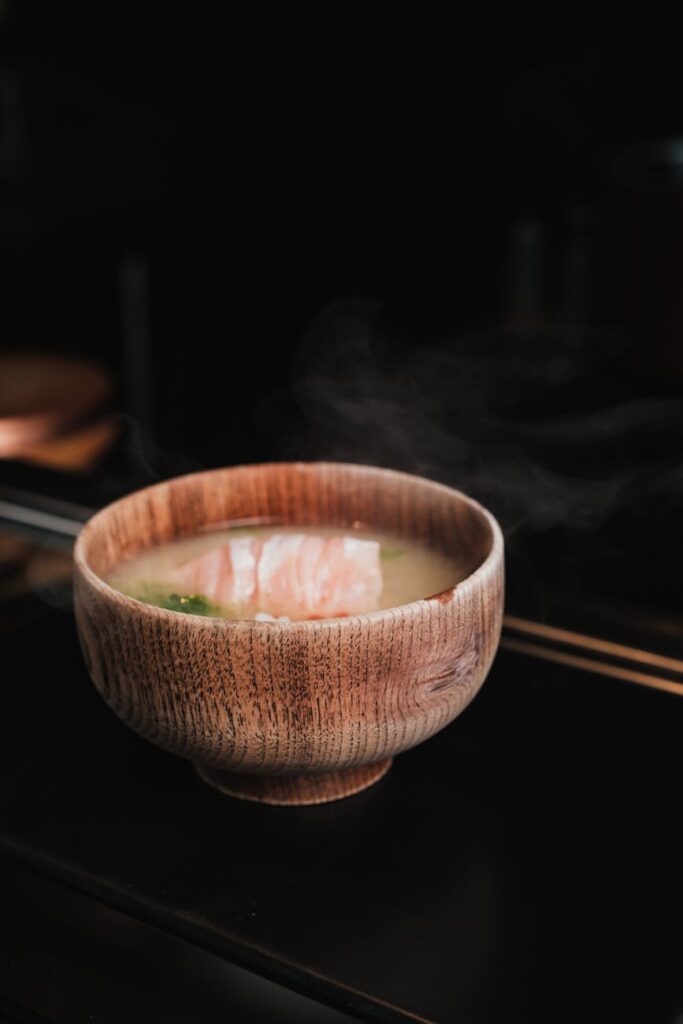
Miso soup is perhaps the most iconic use of miso paste. The base typically consists of dashi (a fish or seaweed broth), to which miso is added, creating a comforting and umami-rich dish. Variations may include vegetables, tofu, and seaweed.
Marinades and Glazes
Miso can serve as a flavorful marinade for meats, fish, and vegetables. Its umami properties not only enhance flavor but also help tenderize proteins. A miso glaze can create a delectable crust when grilled or roasted.
Dressings and Condiments
Miso is often used to create salad dressings and dipping sauces. Its rich flavor can be balanced with vinegar, oils, and other seasonings, resulting