
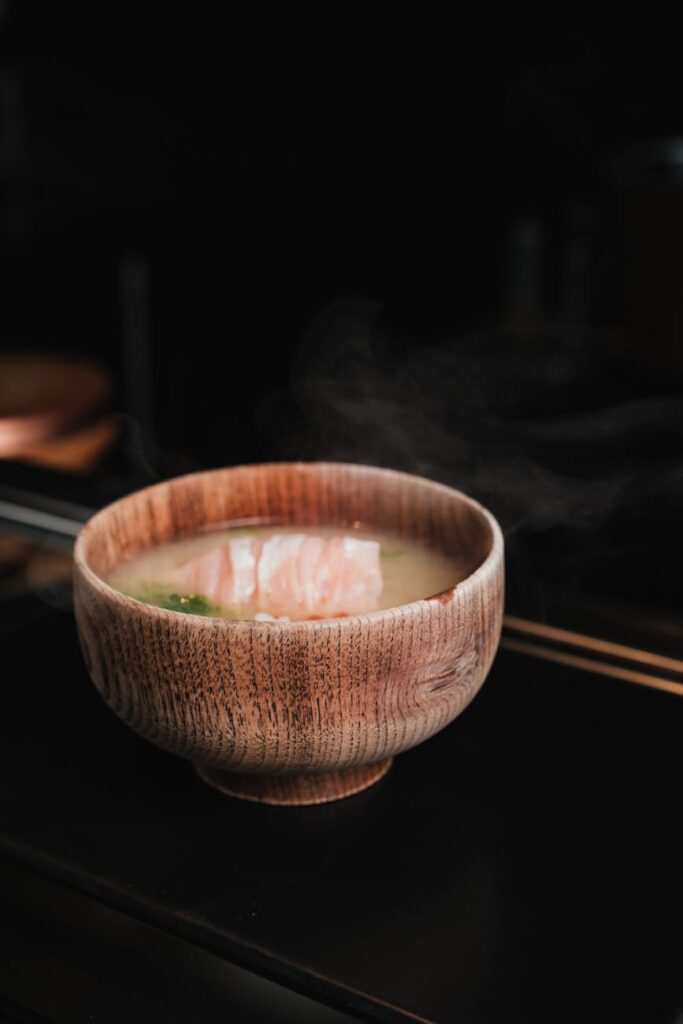
Miso Paste: Origins and Evolution
Introduction
Miso paste, a cornerstone of Japanese cuisine, is more than just a simple condiment; it is a complex ingredient that embodies centuries of culinary tradition and cultural significance. Celebrated for its rich umami flavor and versatility, miso has transcended its regional origins to become a staple in kitchens around the world. This article explores the intricate tapestry of miso paste’s history, production methods, quality assessments, and various applications, providing a comprehensive understanding of this unique ingredient.
What Is Miso Paste?
Miso is a fermented soybean paste that typically includes ingredients such as soybeans, salt, and a fermenting agent known as koji, which is made from the fungus Aspergillus oryzae. The fermentation process not only enhances the flavor profile of miso but also contributes to its nutritional value, making it a source of protein, vitamins, and beneficial bacteria.
Miso paste can vary significantly in flavor, texture, and color, ranging from light yellow to dark brown, depending on the ingredients and fermentation duration. The most common varieties include:
- White Miso (Shiro Miso): Made with a higher proportion of rice koji, it is milder and sweeter, often used in dressings and marinades.
- Red Miso (Aka Miso): Produced with a greater amount of soybeans and fermented for a longer period, resulting in a stronger, saltier flavor, ideal for soups and stews.
- Mixed Miso (Awase Miso): A blend of red and white miso, combining the characteristics of both.
- Aroma: High-quality miso should have a rich, pleasant aroma that reflects its ingredients and fermentation process.
- Texture: A smooth, well-blended texture is a sign of proper mixing and fermentation.
- Flavor: The taste should be balanced, with a harmonious blend of sweetness, saltiness, and umami. Off-flavors may indicate poor quality or improper fermentation.
- Color: Although color can vary widely, it should be consistent with the type of miso. For example, white miso should be pale and creamy, while red miso should be deep brown.
History and Origins
The origins of miso can be traced back over 1,300 years, with its earliest reference appearing in a Chinese medical text during the 7th century. Initially introduced to Japan from China, miso was originally a luxury item reserved for the elite. However, it soon became a staple of the Japanese diet, particularly during the Kamakura period (1185-1333), when its production expanded, and it became accessible to the general populace.
Throughout the Edo period (1603-1868), miso production underwent significant refinement, with regional variations emerging based on local ingredients and fermentation techniques. This period marked the establishment of miso as not only a food source but also a cultural symbol, influencing various aspects of Japanese life, including cuisine, religion, and health practices.
As Japan opened its doors to the world in the 19th century, miso began to garner international attention. By the mid-20th century, the ingredient had found its way into Western culinary practices, adapting to local tastes and preferences while maintaining its traditional roots.
Production and Processing
The production of miso is a meticulous process that requires attention to detail and an understanding of fermentation. The basic steps involved in miso production include:
1. Soaking and Steaming: Soybeans are soaked in water for several hours, then steamed until soft. This step is crucial for ensuring the beans can be fermented effectively.
2. Koji Cultivation: Rice or barley is inoculated with koji mold and allowed to ferment for several days, producing a sweet, aromatic base. The koji is then mixed with the steamed soybeans.
3. Fermentation: The mixture of soybeans and koji is combined with salt and placed into fermentation vessels. The fermentation process can last anywhere from a few weeks to several years, depending on the desired flavor and type of miso. Temperature and humidity control are vital during this stage.
4. Maturation: After fermentation, miso is aged to develop its full flavor potential. The aging process can vary significantly, influencing the final product’s taste, color, and texture.
5. Packaging: Once matured, miso is pasteurized and packaged for distribution. Some artisanal methods may skip pasteurization to preserve the live cultures, resulting in a more complex flavor.
Quality and Grading
The quality of miso is determined by several factors, including the ingredients used, fermentation time, and the production process. Different regions in Japan have their own grading systems, but common indicators of quality include:
When purchasing miso, look for products that specify their fermentation time and the type of ingredients used, as these details can significantly influence the quality and flavor.
Buying Considerations
When selecting miso paste, there are several factors to consider to ensure you choose a product that meets your culinary needs:
1. Type of Miso: Determine which type of miso best suits your intended use. For lighter soups, dressings, or marinades, white miso may be ideal, while red miso is better for hearty stews and braises.
2. Ingredient Transparency: Look for brands that provide clear information about their ingredients and fermentation processes. Organic options are often available and may offer a higher quality product.
3. Packaging: Miso is typically sold in tubs or jars. Choose a package that is airtight to maintain freshness. Some artisanal miso may come in vacuum-sealed bags, which can also help preserve flavor.
4. Local vs. Imported: While traditional Japanese miso is highly regarded, local artisanal producers may offer unique varieties that reflect regional flavors and practices